


No concerts. No marathons. No Arsenal street parties. And if you think that last one sounds like a joke, Uganda’s most senior health official just made it very clear that nobody is laughing.
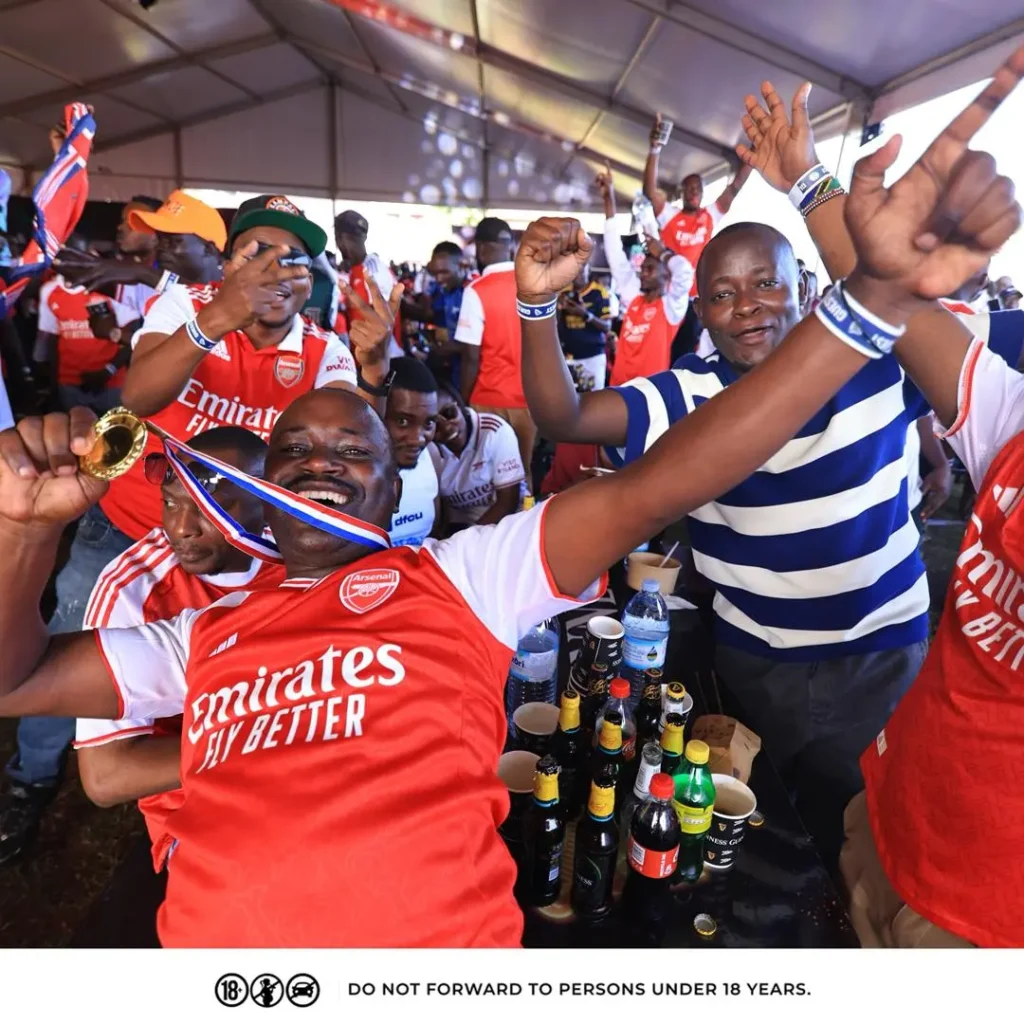
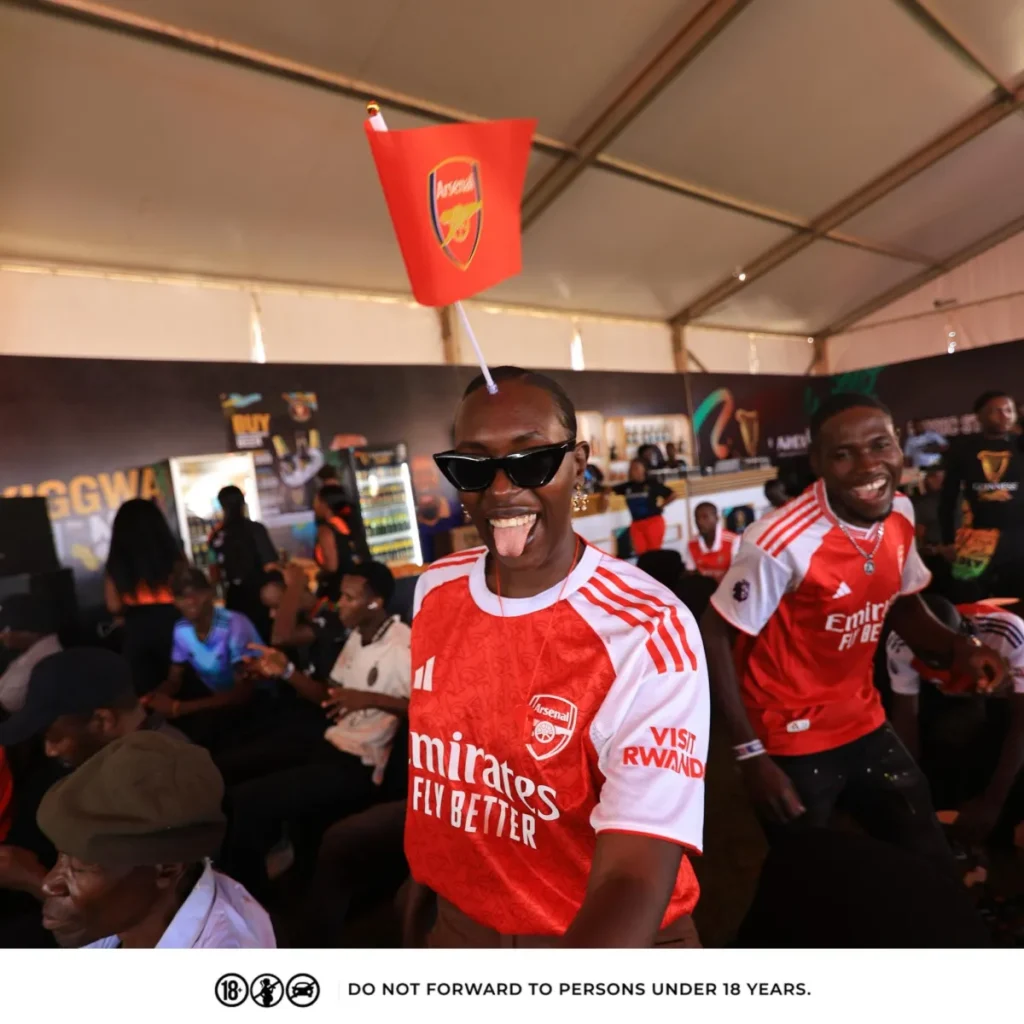
Dr. Diana Atwine, Permanent Secretary of Uganda’s Ministry of Health, has issued a sweeping directive suspending all unstructured public events in the country — and she specifically called out the chaotic Arsenal celebrations that recently filled Uganda’s streets as exactly the kind of gathering that can no longer happen.
The reason is not crowd inconvenience or noise complaints. The reason is Ebola.
And what happened next, nobody wanted to hear — because she did not stop at a warning. Organizers who defy the directive will be arrested and prosecuted under the Public Health Act for endangering lives. Full stop.
Dr. Atwine was direct in a way that left zero room for interpretation. “Events that don’t have structured ways — like the recent Arsenal celebrations you witnessed — are closed. We won’t allow them. If you’re an organizer and you go ahead and hold them, there is a law under the Public Health Act. We will arrest you and take you to court and be charged because you put the lives of people at risk.”

That is not a suggestion. That is a countdown.
Her concern centers on events that lack proper organization and crowd-control measures — gatherings where bodies press together, where no one is screened, and where the conditions for viral transmission are essentially ideal. In the context of an active Ebola threat, those environments are not just risky. According to the Ministry of Health, they are unacceptable.
The directive covers concerts, marathons, and any other public gathering that cannot demonstrate structured crowd management. The Arsenal celebrations were singled out as a recent, visible example of exactly what the government will no longer permit.
But the concerts ban is only one piece of a much larger emergency response — and the broader picture is sobering.

For readers outside Uganda, here is where things stand. Ebola has been spreading, and the government’s response has escalated significantly. Uganda has temporarily closed its border with the Democratic Republic of the Congo to non-essential travelers for a period of four weeks — a major move for a border that sees constant cross-border movement for trade, family, and work.
Health workers and other authorized personnel are exempt from the closure, but the message is clear: the government is treating this as a genuine emergency, not a precautionary drill.
Schools in border districts will remain open, but will operate under strict Ministry of Health standard operating procedures. Students crossing from the DRC will have their temperatures monitored for 21 consecutive days as part of the preventive measures in place.
Dr. Diana Atwine sits at the top of Uganda’s health administration as Permanent Secretary of the Ministry of Health — the most senior bureaucratic position in the ministry. When she speaks on public health directives, she speaks with the full authority of the government behind her. This is not a press release. This is policy.
Fans immediately noticed the Arsenal reference — and it landed harder than the Ministry probably intended. Ugandan football fans are famously passionate, and the recent Arsenal celebrations were a moment of pure, uncontained public joy. Thousands took to the streets with no structure, no screening, no crowd control.

Within hours of Dr. Atwine’s statement circulating online, comment sections split sharply. Some people fully supported the directive, acknowledging that Ebola is not something to gamble with over a football result. Others expressed frustration, feeling that the government was using a health crisis to clamp down on organic public gatherings.
The Arsenal callout gave the directive a cultural hook that made it spread far faster than a standard health announcement would have. Whether that was intentional or not, it worked — people are talking about Ebola in Uganda in a way they were not two days ago.
Some fans believe the government’s tone — arrest, prosecution, Public Health Act — signals that Uganda is treating this Ebola threat with a level of seriousness that suggests the situation on the ground is more urgent than public statements have fully conveyed. Sources close to border communities note that the DRC crossing closure affects thousands of daily lives, from traders to students to families separated by the border.
It’s unclear how long the suspension of public events will last. The border closure has a four-week window, but health directives of this kind tend to extend when the threat does.
Behind the arrests and prosecutions language is a government that has been here before. Uganda has survived Ebola outbreaks. The institutional memory is real. Dr. Atwine and the Ministry of Health are not reacting to a theoretical risk — they are drawing on hard experience of what happens when public gatherings become transmission events during an active outbreak.

That history makes the directive feel less like an overreach and more like a country that learned its lessons the difficult way.
Here is the line worth screenshotting and sending to every event organizer in your contacts: in Uganda right now, throwing a concert without proper crowd controls is not just irresponsible. It is a criminal act under the Public Health Act, and the government has promised to prosecute.
Dr. Atwine has drawn the line publicly, loudly, and with legal teeth behind it. The Arsenal fans, the concert promoters, the marathon organizers — everyone has been told.
The question now is whether the public will take the threat seriously enough to stay home willingly — or whether the government will have to start making those arrests to prove it means business. Would you cancel your event, or wait and see?