

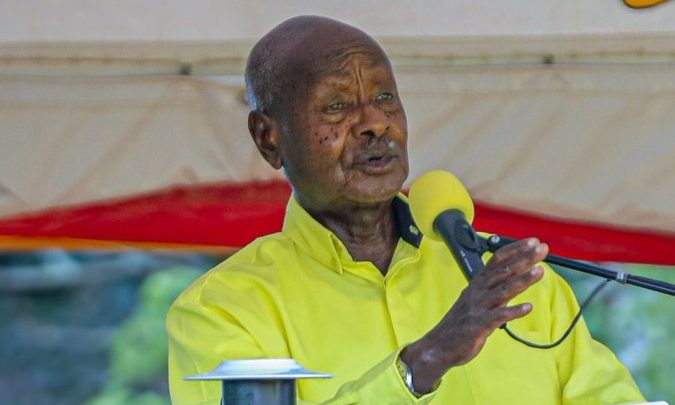
The ink was barely dry on Jacob Oboth-Oboth’s election as Speaker of Parliament. Twenty-four hours later, President Yoweri Museveni reminded Uganda exactly who sets the pace in this country’s politics — dropping a 30-person Cabinet reshuffle that had analysts, commentators, and political watchers scrambling to process the full list.
Announced on May 26, the sweeping appointments for Uganda’s 2026–2031 Cabinet introduce a striking mix of returning veterans, career diplomats, first-time ministers, and at least one businessman whose name on the list nobody quite saw coming.
This is not a minor shuffle. This is a statement.
And what happened next was the entire country trying to figure out what that statement actually means — name by name, portfolio by portfolio.
Let’s start with the returns, because they tell their own story.
Crispus Kiyonga is back. The veteran politician and former Defence Minister has been appointed 2nd Deputy Prime Minister and Deputy Leader of Government Business in Parliament — a role that places him at the very centre of government operations. Kiyonga’s return signals that Museveni is reaching back into his most trusted reservoir of experience for the new term.

Ephraim Kamuntu also makes a comeback, this time as Minister of Internal Affairs — a significant portfolio for a man with deep political history inside the NRM.
Henry Tumukunde, whose name has carried considerable weight and considerable controversy in Uganda’s security and political landscape, has been appointed Minister of Gender, Labour and Social Development. That assignment will raise eyebrows in some corners and draw curiosity in others.
But that is not even the most talked-about name on the list.
Sanjay Tanna, a businessman, has been appointed Minister of Trade, Industry and Cooperatives. The appointment of a private sector figure to one of Uganda’s most economically consequential ministries is the kind of move that will generate conversation well beyond political circles — into business communities, trade associations, and economic policy debates.
For the full picture, here is where every new entrant lands in Uganda’s 2026–2031 Cabinet structure.
Adonia Ayebare takes the top diplomatic seat as Minister of Foreign Affairs — a veteran diplomat whose appointment to that role reads as a deliberate, experienced hand on Uganda’s international relationships at a moment when the region is anything but stable.

Jonard Asiimwe, NRM Central Executive Committee member for Western Uganda, steps into the newly configured role of Minister for Science, Technology and Innovation in the Office of the President — a portfolio that signals the administration’s continued positioning of tech and innovation as a national priority.
Sam Engola comes in as Minister for Relief, Disaster Preparedness and Refugees, while John Baptist Lokii takes over Karamoja Affairs — a region that has historically demanded focused, specialised attention from whoever holds that brief.
At State Minister level, the appointments span nearly every corner of government. Grace Akifeza Ngabirano moves into State Minister for Defence. Phyllis Chemutai takes Primary Education. Cissy Mulondo lands Finance General Duties. Amina Mukalazi picks up Privatization and Investment, and Shartsi Kutesa Musherure steps into Microfinance.

Alioni Yorke Odria, the outspoken Aringa South MP, takes State Minister for National Guidance — a role that suits a politician with a reputation for speaking his mind. Calvin Echodu enters as State Minister for International Affairs, while Sandra Alum Santa takes Economic Monitoring.
The social sector sees multiple new faces: Mary Kuteesa Kamuli for Gender, Labour and Social Development, Mercy Faith Lakisa for Youth and Children Affairs, Simon Mulongo for Employment and Industrial Relations, Joyce Acan Okeny for Disability Affairs, and Jacqueline Mbabazi for Elderly Affairs.
Rounding out the list: Harriet Ntabazi for Lands, Justine Nameere for Local Government, Lydia Wanyoto for Public Service, Susan Nakawuki Nsambu for Tourism, Wildlife and Antiquities, Lawrence Muganga for Internal Affairs, Siraji Musa Ali for Works, Robert Migadde Ndugwa for Fisheries, Desire Muhooza for Agriculture, and Julius Maganda Wandera for Transport.

Thirty names. Thirty portfolios. One very deliberate reshuffle.
Fans of Uganda’s political theatre immediately noticed the timing — and the internet had thoughts, and they were not holding back.
The announcement landing just one day after the Speaker election was not lost on anyone watching. Whether deliberate or coincidental, the sequencing created a one-two political punch that dominated the national conversation for the full news cycle. Oboth-Oboth gets his gavel on Day One. Museveni drops thirty names on Day Two.
Comment sections lit up with reactions ranging from genuine excitement over certain appointments to sharp questions about others. The Tumukunde appointment generated particular debate, given his complex political biography. The Tanna appointment generated genuine curiosity from Uganda’s business community.
Some fans believe the inclusion of private sector figures like Tanna signals a deliberate pivot toward economic pragmatism in the new Cabinet — bringing in people who have built things commercially rather than exclusively navigating the political system. Others are reading the veteran returns as Museveni consolidating proven loyalists around the core of his new term.
It’s unclear how the new Cabinet will perform as a unit — early appointments always look different on paper than they do six months into actual governance. Sources close to NRM circles suggest the full Cabinet list, including reappointments and reassignments, will paint a more complete picture of the administration’s priorities.

Behind the political chess is a straightforward reality. Uganda is heading into a new five-year term with a Cabinet that blends deep institutional memory — Kiyonga, Kamuntu, Ayebare — with fresh appointments that introduce new energy, new professional backgrounds, and new questions about direction.
The people on this list will shape education policy, manage foreign relationships, oversee trade negotiations, handle disaster response, and govern how Ugandans interact with their land, their labour, and their government. These are not ceremonial roles. They are consequential ones.
Here is the line worth screenshotting: Museveni waited exactly one day after Parliament seated its new Speaker to remind everyone that the Cabinet — Uganda’s real executive engine — runs on his timeline, his choices, and his thirty names.
Whoever wrote the political calendar for this week clearly planned the sequence.
Thirty new ministers have been named. The portfolios are assigned. The work — theoretically — begins now.
The newly appointed Cabinet entrants are:
- Crispus Kiyonga – 2nd Deputy Prime Minister and Deputy Leader of Government Business in Parliament
- Jonard Asiimwe – Minister for Science, Technology and Innovation
- Sam Engola – Minister for Relief, Disaster Preparedness and Refugees
- John Baptist Lokii – Minister for Karamoja Affairs
- Adonia Ayebare – Minister of Foreign Affairs
- Henry Tumukunde – Minister of Gender, Labour and Social Development
- Ephraim Kamuntu – Minister of Internal Affairs
- Sanjay Tanna – Minister of Trade, Industry and Cooperatives
- Sandra Alum Santa – Minister of State for Economic Monitoring
- Desire Muhooza – State Minister for Agriculture
- Robert Migadde Ndugwa – State Minister for Fisheries
- Grace Akifeza Ngabirano – State Minister for Defence
- Phyllis Chemutai – State Minister for Primary Education
- Cissy Mulondo – State Minister for Finance (General Duties)
- Amina Mukalazi – State Minister for Privatization and Investment
- Shartsi Kutesa Musherure – State Minister for Microfinance
- Calvin Echodu – State Minister for International Affairs
- Mary Kuteesa Kamuli – State Minister for Gender, Labour and Social Development
- Mercy Faith Lakisa – State Minister for Youth and Children Affairs
- Simon Mulongo – State Minister for Employment and Industrial Relations
- Joyce Acan Okeny – State Minister for Disability Affairs
- Jacqueline Mbabazi – State Minister for Elderly Affairs
- Harriet Ntabazi – State Minister for Lands
- Justine Nameere – State Minister for Local Government
- Lydia Wanyoto – State Minister for Public Service
- Susan Nakawuki Nsambu – State Minister for Tourism, Wildlife and Antiquities
- Alioni Yorke Odria – State Minister for National Guidance
- Lawrence Muganga – State Minister for Internal Affairs
- Siraji Musa Ali – State Minister for Works
- Julius Maganda Wandera – State Minister for Transport
The real question Uganda will spend the next five years answering is not who got appointed. It is what they actually do with it. Which of these thirty names will still be celebrated when the next reshuffle comes around — and which ones will Uganda be trying to forget?