

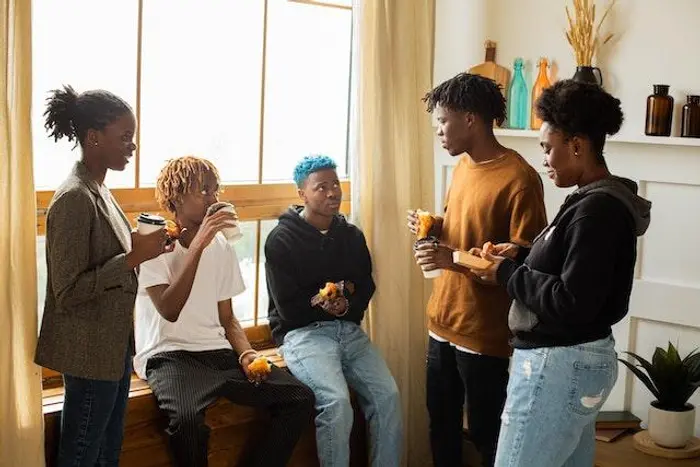
Friendships with the opposite sex can be some of the most meaningful connections people build. They can offer support, honesty, different perspectives, and companionship without needing to become romantic.
However, when emotional closeness grows, some friendships can become complicated if one person starts developing deeper feelings.
Maintaining a genuine platonic friendship often requires awareness, communication, and clear boundaries from both sides.
Here are seven ways to protect the friendship while keeping romance out of the equation.
1. Create mental boundaries
One of the first steps to maintaining a platonic friendship is controlling how you view the relationship.
Instead of constantly focusing on your friend’s qualities as a potential romantic partner, recognize them for what they are — a friend, supporter, colleague, or trusted person.
The way you mentally frame someone can influence how your feelings develop.

Keeping your thoughts centered on the value of the friendship can help prevent unnecessary emotional confusion.
2. See them as family
A useful approach is to develop a sibling-like perspective toward your opposite-sex friend.
Seeing someone as family can create a different emotional framework and reduce the chances of viewing the relationship romantically.
This does not mean ignoring their importance — it simply helps place the connection in a different category.
3. Limit physical contact that feels romantic
Physical affection can sometimes strengthen emotional attachment.
While friendly interactions like a normal greeting or casual hug may be harmless, overly intimate gestures can blur the line between friendship and romance.
Setting comfortable physical boundaries can help both people understand the nature of the relationship.

4. Encourage honest communication
Clear communication is essential in any strong friendship.
If both people understand the intentions behind the relationship, it becomes easier to avoid misunderstandings.
Talking openly about boundaries and expectations can create trust and prevent situations where one person assumes the friendship means something more.
Friendships often grow through shared experiences, emotional support, and spending significant time together.
Because of that closeness, it is normal for people to sometimes question whether their feelings are becoming romantic.
The difference between a healthy friendship and a complicated one often comes down to awareness and how both people handle emotional and physical boundaries.
Strong friendships can provide important emotional support and connection.

However, unclear boundaries can create tension, disappointment, or misunderstandings.
Being intentional about how you communicate and interact allows both people to enjoy the friendship without unnecessary pressure.
5. Include other friends in activities
Spending time together one-on-one is not automatically a problem, but creating a balanced social environment can help keep things clearly platonic.
Group activities allow friendships to grow naturally without creating an atmosphere that feels like a date.
Shared experiences with other friends can reinforce that the relationship exists within a wider social circle.
6. Establish emotional boundaries
Emotional closeness is an important part of friendship, but it can sometimes become similar to romantic intimacy.
Avoid creating a dynamic where one person becomes the only source of emotional support.

Maintaining healthy independence and avoiding overly romantic conversations can help protect the friendship.
7. Set clear expectations
A strong friendship benefits from both people understanding what the relationship is.
If both individuals know they are building a platonic connection, it becomes easier to maintain healthy limits.
Clear expectations reduce confusion and help both people feel secure in the friendship.
At its best, a friendship between people of different genders is not defined by attraction but by respect, trust, and genuine connection.
Many people value these friendships because they provide support and understanding from a different perspective.
The key is recognizing what the relationship means and protecting that bond.
Opposite-sex friendships can last for years when both people respect boundaries and communicate openly. A strong friendship does not need romance to be meaningful.