

By Wamala Sipirian
Published: October 1, 2026
Uganda’s HIV prevalence among people aged 15 and above remains at 5.9 per cent, according to preliminary findings from the 2025 Uganda Population-Based HIV Impact Assessment (UPHIA).
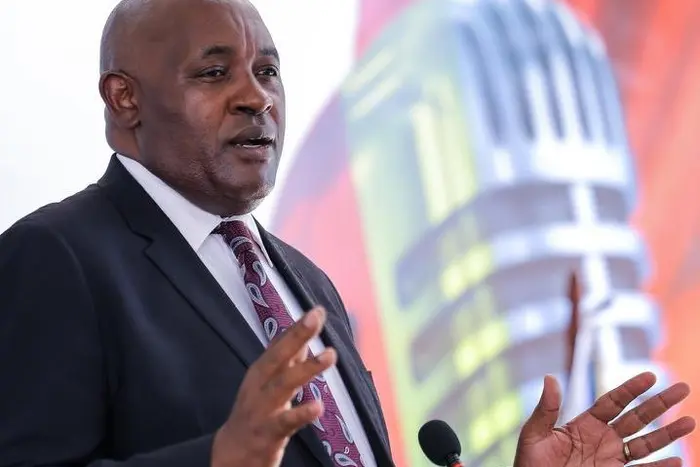
Health Minister Dr Chris Baryomunsi released the findings at the Uganda Media Centre on Thursday, October 1, 2026.
The survey estimates HIV prevalence at 7.3 per cent among women and 4.1 per cent among men, with the national rate largely unchanged from the 2020 assessment.
The findings translate to an estimated 1.496 million adults living with HIV in Uganda.

Baryomunsi said the prevalence rate, although stable, remains a concern.
The 2025 UPHIA was conducted between July and September 2025 by the Ministry of Health in partnership with Makerere University School of Public Health, the Uganda Bureau of Statistics (UBOS), Uganda Virus Research Institute (UVRI), regional referral hospitals, districts and other partners.
The survey was funded by the United States President’s Emergency Plan for AIDS Relief (PEPFAR) through the US Centers for Disease Control and Prevention (CDC).
Of the 6,283 eligible households selected for participation, 94.4 per cent took part in the survey.
South Western Uganda Records Highest Prevalence
The preliminary findings show substantial differences in HIV prevalence across Uganda’s geographical regions.

South Western Uganda, covering parts of Ankole and Kigezi, recorded the highest prevalence at 8 per cent.
It was followed by:
- Central 1: 7.3 per cent
- Central 2: 7.2 per cent
- Mid North: 6.8 per cent
- Mid Western: 6.1 per cent
- Kampala: 5.4 per cent
- Teso: 4.8 per cent
- Mid Eastern: 4.4 per cent
- Busoga: 4 per cent
- West Nile: 1.4 per cent
- Karamoja: 1.3 per cent
Central 1 includes Wakiso, Mpigi and Greater Masaka, while Central 2 covers Greater Mubende, Luwero and Mukono. The Mid Western region includes Tooro and Bunyoro.
Baryomunsi said the government would use the final report to examine the factors behind the regional differences.
He said the final findings would provide further details on the factors contributing to the variations in prevalence.

Women Continue to Record Higher Prevalence
The survey also shows a significant difference in HIV prevalence between women and men.
Among both sexes, prevalence was lowest among adolescents aged 15 to 19.
Among men, the highest prevalence was recorded in the 45–49 age group at 11.7 per cent.
For women, prevalence peaked at 15.7 per cent among those aged 40–44.
Ministry of Health Permanent Secretary Dr Diana Atwine said the findings would help guide HIV prevention and treatment programmes.
Atwine said population-based HIV surveys provide information that helps the government assess progress and identify areas requiring greater attention.
Government Targets People Who Do Not Know Their HIV Status
Uganda continues to pursue the 95-95-95 HIV targets, which seek to ensure that 95 per cent of people living with HIV know their status, 95 per cent of those diagnosed receive antiretroviral treatment, and 95 per cent of people on treatment achieve viral suppression.
Atwine said an estimated 150,000 people living with HIV do not know their status and are therefore not yet receiving antiretroviral therapy.
She said the government would use the survey findings to strengthen efforts to identify people who are unaware of their HIV status and link them to treatment.
The preliminary findings will be followed by a final report, which the Ministry of Health says will provide further analysis of the national and regional HIV trends.