

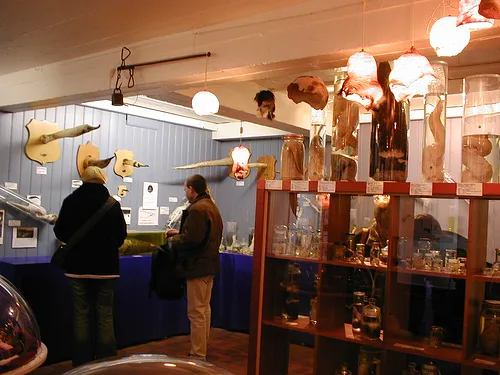
Reykjavík, Iceland, is home to one of the world’s most unusual museums: the Icelandic Phallological Museum, an institution dedicated to collecting and displaying phallic specimens from mammals and exploring their biological and cultural significance.
Known informally as Iceland’s penis museum, the attraction brings together preserved specimens from a wide range of animals, offering visitors an unconventional look at the diversity of mammalian anatomy. The museum describes itself as the world’s only genuine museum dedicated to phallology, the study of phallic anatomy and related subjects.
How the Icelandic Phallological Museum Began
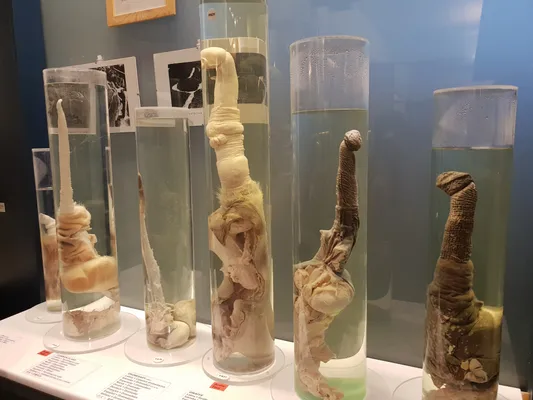
The story began in 1974, when Sigurður Hjartarson, a teacher and school headmaster, received a dried bull’s penis as a joke from colleagues. The unusual gift sparked an interest in collecting similar specimens.
Some of Hjartarson’s colleagues worked at a whaling station during the summer, and whale specimens subsequently became part of his growing collection. Over time, he expanded his interest beyond whales to include other mammals.

According to the museum’s official history, the collection eventually became a public attraction when the museum opened in Reykjavík in 1997, initially displaying 62 specimens alongside related artworks and objects.
The institution later moved to Húsavík in northern Iceland before returning to Reykjavík. In 2020, it relocated to a larger exhibition space in the city’s Hafnartorg district.
From Tiny Mammals to Whales
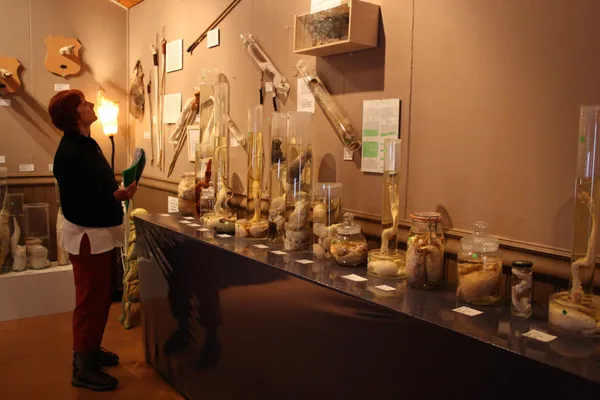
The museum’s collection illustrates the considerable variation in the anatomy of different mammal species. Its displays include specimens from animals such as seals, walruses, whales and land mammals.
Among its most striking exhibits is a section of a whale’s penis measuring approximately 170 centimetres, or 5.6 feet, and weighing around 70 kilograms, or 154 pounds. The museum’s size comparisons also extend to tiny specimens that require close inspection.

The collection is presented through different preservation methods, including specimens displayed in containers and other mounted or preserved forms. Rather than focusing solely on size, the exhibits offer a way to examine anatomical differences across species.
An important distinction: Some reports identify the largest specimen as belonging to a sperm whale, while other museum and tourism sources describe the approximately 170-centimetre, 70-kilogram specimen as part of a blue whale’s penis. The species attribution should be confirmed with the museum before publication.
The Museum’s First Human Specimen
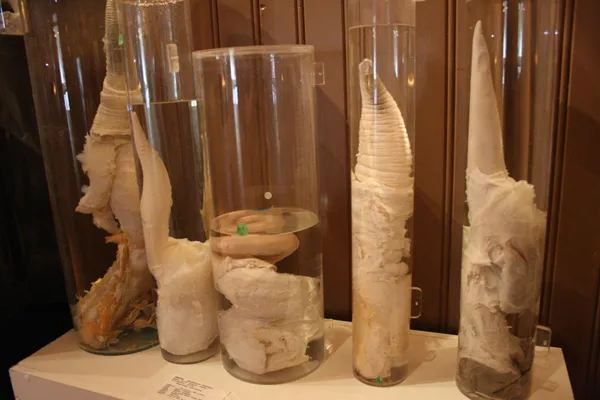
Human anatomy is also represented in the collection. The museum’s official history records that it acquired its first human specimen in 2011, marking a significant milestone in its effort to document the mammalian species found in Iceland.
The acquisition followed years of interest in obtaining a human specimen to complete the collection’s coverage of Icelandic mammals. Hjartarson subsequently retired, with his son, Hjörtur Gísli Sigurðsson, taking over the museum.

The institution has continued to develop its exhibition and presentation, combining biological specimens with cultural objects and material connected to folklore.
More Than an Unusual Tourist Attraction
Although its subject matter attracts attention, the Icelandic Phallological Museum presents itself as an educational institution devoted to phallic anatomy and related cultural topics.
Its exhibits offer a distinctive setting for comparative anatomy, allowing visitors to consider how reproductive structures differ across mammalian species. The museum also incorporates art and cultural references, giving the collection a broader focus than preserved biological material alone.
The museum’s unusual subject has helped make it a recognisable stop for visitors exploring Reykjavík. Its combination of zoology, cultural history and unconventional displays sets it apart from more traditional museum experiences.

Where Is the Icelandic Phallological Museum?
The museum is located in central Reykjavík, Iceland, in the Hafnartorg district. Visitors can consult the official website for current opening hours, ticket prices and visitor information before planning a trip.
Official website: https://www.phallus.is/
The Icelandic Phallological Museum began with an unusual gift in 1974 and developed into a public institution more than two decades later. Today, it offers a distinctive perspective on mammalian anatomy, demonstrating how an unconventional collecting interest can evolve into a specialised museum.