

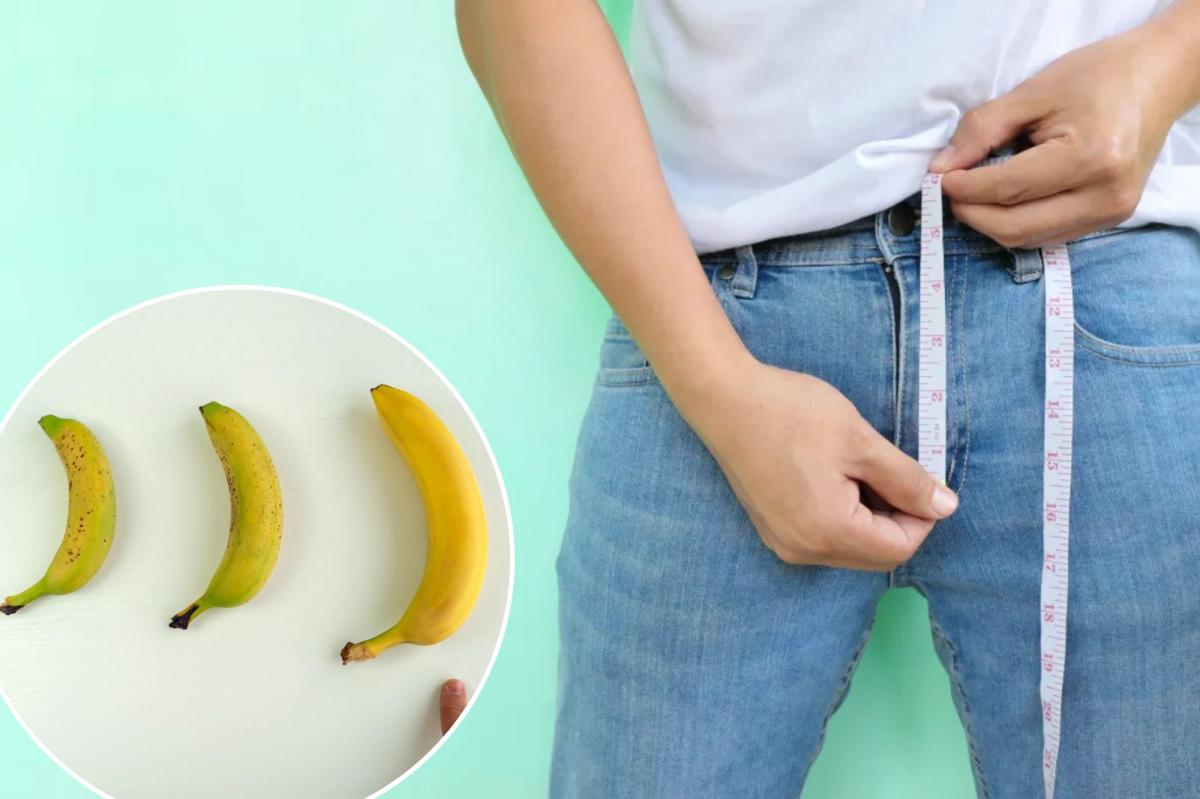
Penis size is a common source of curiosity, comparison and insecurity. Many men wonder whether their measurements affect their attractiveness, sexual performance or ability to satisfy a partner. These concerns are often reinforced by pornography, social media and unrealistic expectations about what an average penis should look like.
But does penis size actually matter? The answer depends on what is being considered. Size can influence certain sexual experiences, including comfort and the positions partners prefer. However, it does not automatically determine sexual pleasure, stamina, fertility or relationship satisfaction.
Communication, mutual understanding, confidence and attention to a partner’s preferences often play a much greater role in a satisfying sex life than measurements alone.
Does Penis Size Matter for Sexual Pleasure?
Penis size is not a reliable measure of someone’s ability to give or experience sexual pleasure. People have different bodies, preferences and responses to stimulation, meaning there is no single size that guarantees a satisfying sexual experience.
For many couples, pleasure depends on several factors, including physical comfort, arousal, communication and the type of stimulation involved.
Some people have preferences regarding penis length or girth, but preferences vary considerably. What one person enjoys may not be the same for another.
Why Bigger Is Not Always Better
A larger-than-average penis may be desirable to some people, but greater size does not automatically produce greater pleasure.
In certain situations, additional length or girth can make penetration uncomfortable. Deep penetration may cause discomfort or pain for some partners, while greater girth may require more preparation and lubrication.
During anal sex, gradual preparation and adequate lubrication are particularly important because the tissue involved can be vulnerable to injury. Oral sex can also present physical challenges when depth or size causes discomfort or triggers the gag reflex.
These experiences do not mean that larger penises are inherently problematic. They highlight the importance of adjusting sexual activity to the comfort and preferences of everyone involved.
Why a Smaller Penis Is Not a Disadvantage
A smaller-than-average penis does not prevent someone from having a satisfying sex life.
Some partners may find certain activities or positions more comfortable with less length or girth. Other forms of sexual stimulation can also contribute significantly to pleasure.
Penetrative sex is only one part of sexual intimacy. Manual stimulation, oral sex and sex toys can all be part of mutually satisfying experiences.
Rather than viewing penis size as a limitation, couples can focus on discovering what feels comfortable and pleasurable for both people.
What Is the Average Penis Size?
Misconceptions about average penis measurements can contribute to unnecessary anxiety.

The figures cited in the source material are:
- Average flaccid length: 3.6 inches (9.1 cm).
- Average erect length: 5.2 inches (13.1 cm).
- Average flaccid circumference: 3.66 inches (9.31 cm).
- Average erect circumference: 4.59 inches (11.66 cm).
These figures are population averages, not standards that determine whether someone’s body is normal.
Penis size naturally varies between individuals. Measurements can also differ depending on temperature, arousal, measurement technique and other factors.
The source material also cites research suggesting that approximately 85% of people with penises overestimate what constitutes an average size. This illustrates how social comparisons can distort expectations.
Why Comparisons Can Be Misleading
Pornography and social media often present unusually large bodies as though they are typical. However, performers and images do not represent the full range of human anatomy.
Comparing oneself with selected images can create unrealistic expectations and make normal physical variation appear unusual.
A more accurate understanding of average measurements can help reduce unnecessary worry.
Does Penis Size Affect Stamina?
Penis size does not determine how long someone can maintain sexual activity.
Stamina is influenced by several factors, including physical health, arousal, stress, sexual experience and individual responses to stimulation.
A person with a larger penis does not automatically have greater endurance than someone with a smaller one.
Likewise, penis size does not determine whether someone experiences premature ejaculation or difficulties maintaining an erection.
These concerns involve different aspects of sexual function and should not be confused with anatomy.
If changes in sexual performance are persistent or distressing, a healthcare professional can help identify possible contributing factors.
Does Penis Size Affect Fertility?
Penis size is not generally considered a measure of male fertility.
Fertility depends on several reproductive factors, including sperm production, sperm quality, hormone function and the health of the reproductive system.

Sperm is produced in the testicles, not the penis. The penis serves as part of the reproductive system by allowing semen to be ejaculated during sexual activity.
Consequently, having a smaller or larger penis does not automatically make someone more or less capable of fathering a child.
What Actually Influences Male Fertility?
Factors that may affect male fertility include:
- Sperm quality: Sperm count, movement and shape can influence reproductive potential.
- Hormonal health: Hormones play an important role in sperm production and reproductive function.
- Lifestyle factors: Smoking, excessive alcohol consumption and some other lifestyle factors may affect reproductive health.
- Medical conditions: Certain infections, hormonal disorders and reproductive conditions can interfere with fertility.
- Stress: Prolonged stress may affect aspects of reproductive and sexual health.
Anyone concerned about fertility can speak with a healthcare professional about appropriate assessment, including semen analysis when indicated.
What Matters More Than Penis Size During Sex?
Sexual satisfaction involves much more than anatomy. How partners communicate, understand one another and respond to each other’s preferences can make a substantial difference.
1. Communication
Talking openly about preferences, boundaries and comfort can help partners understand what works for them.
People may have different expectations about sexual activity, and these differences are easier to navigate when conversations happen without embarrassment or criticism.
Communication also makes it easier to identify discomfort and adjust accordingly.
2. Technique and Understanding Your Partner
Sexual satisfaction is influenced by how partners respond to one another rather than by measurements alone.
Taking time to understand a partner’s preferences, paying attention to their reactions and being willing to adapt can make intimacy more comfortable and enjoyable.
There is no universal technique that works for everyone. Partners benefit from discovering what they both enjoy.
3. Foreplay and Arousal
Foreplay can help partners become physically and emotionally prepared for sexual activity.
Kissing, affectionate touch, massage and other forms of stimulation can increase arousal and help some people feel more comfortable.
Adequate arousal and lubrication may also reduce discomfort during penetration.
4. Exploring Different Forms of Stimulation
Penetrative intercourse is not the only way to experience sexual pleasure.

Manual stimulation, oral sex and sex toys may provide additional ways for partners to explore what feels good.
For many people, clitoral stimulation is particularly important for orgasm. Focusing exclusively on penetration can overlook other forms of stimulation that may be more effective for a particular partner.
5. Confidence and Emotional Connection
Worrying excessively about penis size can affect confidence and make sexual experiences more stressful.
Some men become so concerned about how their bodies compare with others that they struggle to relax and enjoy intimacy.
Building confidence involves understanding that sexual satisfaction is not a performance competition. Emotional security, mutual respect and comfort can contribute to a more positive experience.
How to Make the Most of Your Body
People have different anatomical characteristics, and sexual activity can be adapted to accommodate individual preferences and comfort.
The goal should not be to compensate for a particular size but to develop a mutually satisfying experience.
If You Have a Larger Penis
Partners may need to pay closer attention to comfort when there is a difference in anatomy or when penetration causes discomfort.
Some practical considerations include:
- Allowing enough time for arousal and foreplay.
- Using appropriate lubrication.
- Communicating about depth, pressure and comfort.
- Choosing positions that allow the receiving partner to control penetration.
- Stopping or adjusting activity if pain occurs.
A position that allows one partner to control the pace and depth may make intimacy more comfortable.
If You Have a Smaller Penis
A smaller penis does not prevent satisfying sexual activity.
Partners can explore different positions and forms of stimulation based on their preferences. Some may find positions that provide closer body contact or different angles more comfortable.
Other options include manual stimulation, oral sex and appropriately selected sex toys.
The most important consideration is mutual enjoyment rather than trying to imitate what appears to work for other people.
If Your Penis Is Around Average Size
Being within the average range does not mean that sexual experiences will automatically be satisfying.

Couples can still explore different positions, communicate about preferences and discover which forms of stimulation work best for them.
There is no need to follow a particular formula. Comfort, consent and shared enjoyment should guide sexual activity.
Can You Increase Penis Size?
Many men look for ways to increase penis length or girth, particularly when they feel insecure about their measurements.
However, claims made by online products and enlargement programmes should be approached cautiously.
Pills, creams and supplements marketed for penis enlargement have not been established as reliable methods of permanently increasing penis size.
Some devices and medical procedures may be used in specific circumstances, but they have limitations and potential risks.
Be Careful With Enlargement Products
Products advertised as quick solutions may make claims that are not supported by strong clinical evidence.
Before using a device, supplement or treatment, it is important to understand its safety and whether there is credible evidence supporting its effectiveness.
Medical procedures can also carry risks, including scarring, changes in sensation, pain and dissatisfaction with results.
Anyone considering treatment should consult a qualified healthcare professional rather than relying on advertising or unverified online testimonials.
When to Speak to a Healthcare Professional
It may be helpful to seek medical advice if concerns about penis size are causing significant distress, affecting relationships or leading to repeated attempts at potentially harmful enlargement methods.
A healthcare professional can explain normal anatomical variation and assess whether there is an underlying medical concern.
Persistent pain, changes in erections or other genital symptoms should also be discussed with a medical professional.
Conclusion
Penis size can influence certain aspects of sexual activity, particularly comfort and individual preferences, but it does not determine someone’s desirability, stamina or fertility.
Sexual satisfaction depends on a broader combination of factors, including communication, arousal, mutual respect, confidence and understanding what each partner enjoys.
Comparing yourself with unrealistic images or treating measurements as a measure of sexual ability can create unnecessary pressure.
A satisfying sex life is not defined by penis size. It is built through communication, consent and a willingness to understand one another.