

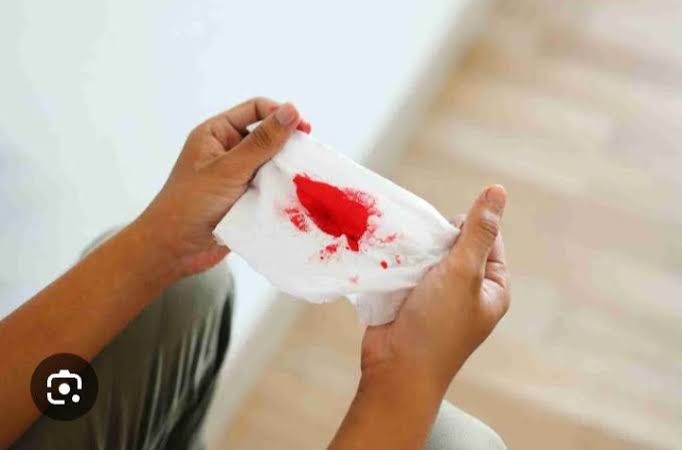
Bleeding during sex can be unexpected and concerning, particularly when it happens without an obvious injury. Although light spotting may result from friction or irritation, bleeding during sexual activity can also be associated with infections, hormonal changes and other underlying health conditions.
The possible causes depend partly on where the bleeding originates. Vaginal bleeding may be linked to cervical irritation, dryness or hormonal changes, while penile bleeding can involve the urethra or prostate. Anal bleeding may result from small tears, haemorrhoids or inflammation.
Understanding the possible reasons can help people recognise when medical attention is necessary. Persistent, unexplained or painful bleeding should not be ignored.
What causes vaginal bleeding during sex?
Vaginal bleeding during or after penetrative sex can occur when the cervix or vaginal tissues become irritated or injured.
For people of reproductive age, the cervix is a possible source of bleeding. Conditions that cause cervical inflammation can make the area more likely to bleed during penetration.
After menopause, vaginal dryness and changes in tissue elasticity may increase the likelihood of irritation and small tears.
Several factors can contribute.
1. Hormonal changes
Changes in hormone levels can affect vaginal tissues and menstrual bleeding patterns.
People using hormonal contraceptives, particularly during the first few months of starting a method or switching to another, may experience breakthrough bleeding. This spotting can sometimes occur during or after sex.
Hormonal changes associated with pregnancy and perimenopause may also contribute to irregular bleeding.
Persistent bleeding should be discussed with a healthcare professional rather than automatically attributed to contraception or hormonal changes.
2. Vaginal dryness and insufficient lubrication
When the vagina does not have enough lubrication, friction during penetration can irritate delicate tissues.

In some cases, this irritation may cause small tears that produce light bleeding.
Vaginal dryness can occur during menopause and may also be associated with hormonal changes, certain medications or other health factors.
Using an appropriate lubricant may help reduce friction, but repeated bleeding still needs medical assessment.
3. Sexually transmitted infections
Some sexually transmitted infections (STIs), including chlamydia, gonorrhoea and trichomoniasis, can cause inflammation around the cervix and genital tissues.
This inflammation may make tissues more vulnerable to irritation and bleeding during or after sex.
Other symptoms can include unusual vaginal discharge, pelvic discomfort, pain during urination or an unpleasant odour.
Testing and appropriate treatment are important because some infections may cause few noticeable symptoms.
4. Cervical or uterine growths
Noncancerous growths, including cervical and uterine polyps or uterine fibroids, can sometimes contribute to bleeding during or after penetrative sex.
Polyps may bleed when irritated, while fibroids can contribute to abnormal uterine bleeding.
Endometriosis, a condition involving tissue similar to the uterine lining growing outside the uterus, can also cause pelvic pain and discomfort during penetration.
A healthcare professional can assess persistent bleeding and determine whether further examination or treatment is needed.
What causes penile bleeding during sex?
Bleeding from the penis during sexual activity can have several causes. It may originate from the urethra, the passage through which urine and semen leave the body, or from an injury to penile tissue.

Unlike occasional light vaginal spotting, penile bleeding generally deserves medical assessment because it can indicate an injury or underlying condition.
1. Urethral injury
Vigorous or rough sexual activity can sometimes injure the urethra, particularly when there is significant friction or insufficient lubrication.
A urethral injury may cause blood to appear at the tip of the penis or in the urine.
Blood in the urine should be assessed by a healthcare professional, even if it occurs only once.
2. Sexually transmitted infections
Infections such as chlamydia, gonorrhoea and syphilis can affect the genital and urinary tract.
Some can cause urethral inflammation, known as urethritis, which may be accompanied by bleeding, discharge, sores or pain during urination.
Anyone experiencing these symptoms should seek testing and medical advice. Avoiding sexual activity until an infection has been assessed and treated can help reduce the risk of transmission.
3. Prostate conditions
Prostatitis, which involves inflammation of the prostate, and benign prostatic hyperplasia, a noncancerous enlargement of the prostate, may be associated with urinary or sexual symptoms.
Some prostate conditions can contribute to blood in semen, a symptom known as haematospermia.
Bleeding associated with ejaculation should be evaluated rather than assumed to be a normal consequence of sexual activity.
4. Penile fracture
A penile fracture is an uncommon but serious injury that can occur when an erect penis is bent forcefully during sexual activity.
It involves a tear in the tissue surrounding the erectile chambers. Warning signs may include sudden severe pain, swelling, bruising, a popping sound or loss of erection.

A penile fracture is a medical emergency. Anyone experiencing these symptoms should seek immediate emergency medical care because surgery may be required.
What causes anal bleeding during sex?
Anal bleeding during penetrative sex can result from friction, irritation or an underlying condition affecting the anus or rectum.
Some causes are relatively minor, while others require medical evaluation.
1. Haemorrhoids
Haemorrhoids are swollen veins in or around the anus and lower rectum.
They can cause bright red bleeding, itching, discomfort or swelling. Anal penetration may irritate existing haemorrhoids and make bleeding more likely.
Persistent or recurring bleeding should be assessed rather than automatically attributed to haemorrhoids.
2. Anal fissures
An anal fissure is a small tear in the lining of the anal canal.
It can develop through friction or stretching and may cause sharp pain during or after penetration, along with bright red blood.
Some people also experience burning or itching.
Giving irritated tissue time to heal and avoiding further penetration until symptoms have settled may help prevent additional injury. Medical advice is appropriate when symptoms persist or worsen.
3. Sexually transmitted infections
Certain STIs, including chlamydia, gonorrhoea and syphilis, can affect the anal area.
Depending on the infection, symptoms may include irritation, sores, ulcers, discharge, pain or bleeding.

Testing is important because symptoms can overlap with other conditions, and some infections may not produce noticeable signs.
4. Proctitis
Proctitis is inflammation of the lining of the rectum.
It may result from infections, inflammatory bowel disease or radiation treatment. Symptoms can include rectal bleeding, pain, discharge and a frequent or urgent feeling that a bowel movement is needed.
Treatment depends on the underlying cause, so medical evaluation is important.
When should you see a healthcare professional?
An occasional small amount of spotting may result from friction or irritation, but unexplained or repeated bleeding should be checked.
Arrange a medical appointment if you experience:
- Repeated bleeding during or after sex.
- Bleeding that occurs even when you are not sexually active.
- Pelvic pain or persistent cramping.
- Pain or burning when urinating.
- Unusual genital or anal discharge.
- New sores, lesions or ulcers.
- Fever or other symptoms suggesting an infection.
Seek urgent medical attention for heavy bleeding, severe pain, fainting or signs of a serious injury, including suspected penile fracture.
A healthcare professional may recommend a physical or pelvic examination, STI testing, urine tests or other investigations depending on the source of the bleeding and accompanying symptoms.
The bottom line
Bleeding during sex can have several explanations, ranging from friction and dryness to infections, tissue injuries and other medical conditions.
The location of the bleeding and any accompanying symptoms can help guide an assessment, but it is not possible to identify the cause reliably from bleeding alone.
If bleeding is persistent, painful, unexplained or accompanied by unusual symptoms, seek medical advice. Identifying the underlying cause can help ensure appropriate treatment and reduce the risk of further complications.