


Ugandan singer and industry powerhouse Phina Mugerwa, popularly known as Masanyalaze, is calling on fellow musicians to take responsibility and formally register with the Uganda Musicians Association (UMA) and other creative bodies governing the arts sector.
Her remarks come after UMA faced a wave of online criticism over claims that it failed to support the family of the late singer Olisha M during her funeral.
But according to Phina, the truth tells a different story.
Phina Clarifies UMA’s Position Amid Backlash
In a candid message addressing the controversy, Phina explained that UMA’s limited involvement in the funeral arrangements stemmed from the fact that Olisha M was not a registered member of the association.
“This goes out to the musicians — learn how to associate with your people,” Phina stated. “When an association is established, come through and register as a member. When you’re affiliated with us, we automatically send representatives to stand with you.”

Phina went on to share that she was out of town during the funeral but ensured that UMA extended official condolences through its social media platforms.
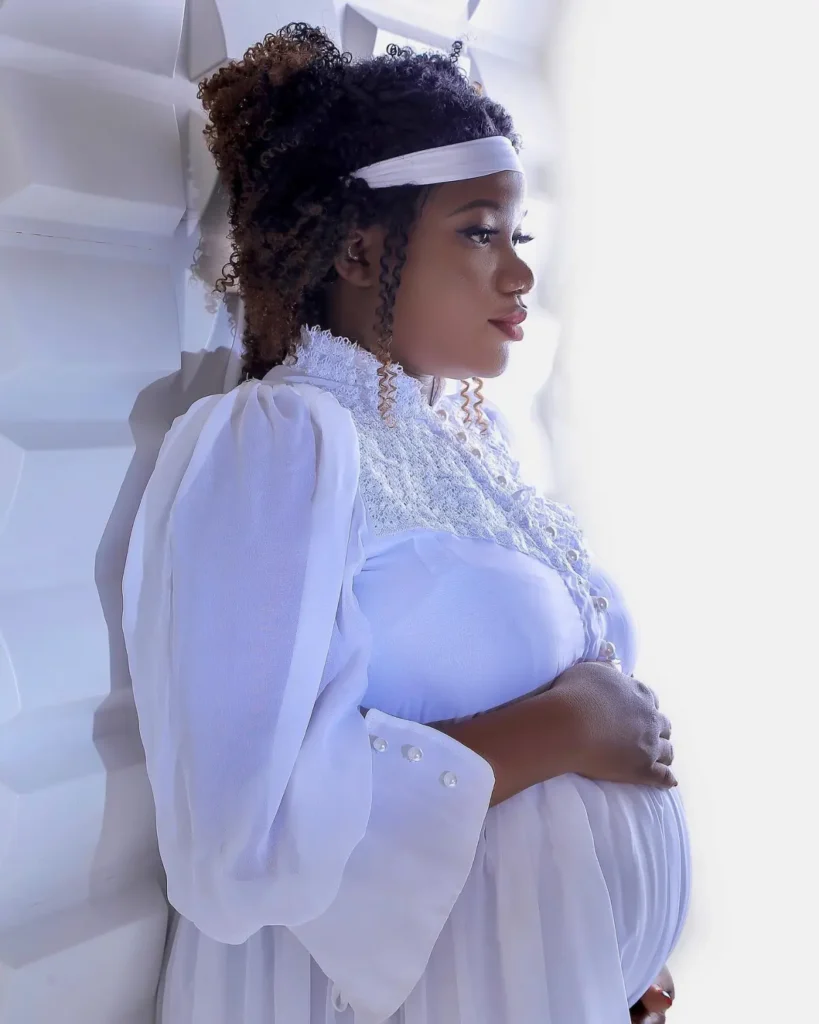
“Registration Equals Representation,” Says Phina
The “Fundukululu” hitmaker stressed that many artists often expect assistance from associations they’ve never joined, which makes it difficult for these organizations to intervene effectively.
She described registration and participation as the key to unlocking the full benefits of collective representation — including welfare, legal protection, and community support.
“I advise all musicians, wherever you are — if you want to get full assistance from UMA in times of challenges, make sure you register as a member,” Phina emphasized.
Her message serves as a wake-up call to the growing number of Ugandan artists who remain uninvolved in formal industry structures despite benefiting from them indirectly.

Online Reactions: Fans Divided Over UMA’s Role
Phina’s comments come amid heated online debate. Many fans and artists had taken to social media accusing UMA of being “silent” during Olisha M’s passing — an accusation that quickly went viral.
However, Phina’s clarification has sparked mixed reactions:
- Some fans agreed that artists must take accountability, registering with official bodies to ensure proper representation.
- Others argued that UMA, as a national organization, should offer support regardless of membership status during moments of tragedy.
The situation has reignited broader discussions about leadership and structure within Uganda’s creative sector, an issue Phina has long been passionate about.
Phina Mugerwa’s Ongoing Fight for Industry Reform
Phina has built a reputation beyond her music career as a vocal advocate for artists’ rights. In recent years, she has championed the modernization of Uganda’s cultural policies, particularly pushing for the amendment of the outdated 1959 Uganda National Cultural Centre Act — which she describes as “a major setback to the industry’s growth.”
Through her advocacy, she continues to encourage creatives to embrace professionalism, unity, and self-organization.
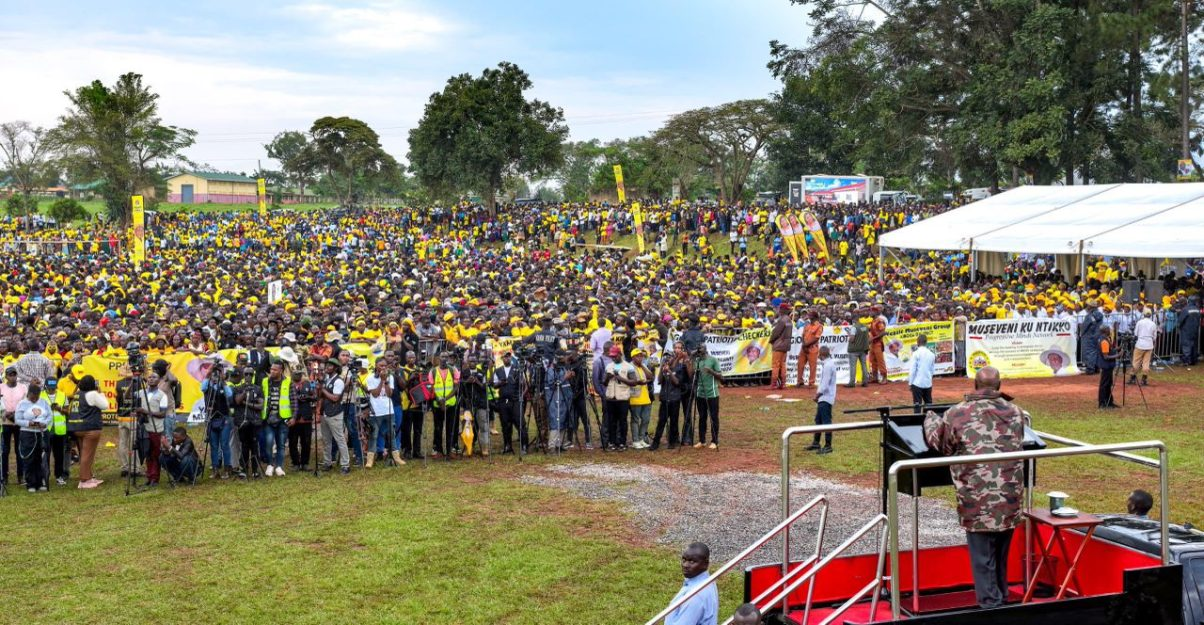
“Our industry lacks strong structures because we’ve ignored systems that were built to protect us. If we want progress, we must modernize laws, strengthen our associations, and work together,” she previously said in an interview.
Why Joining UMA Matters
According to Phina, joining UMA is more than just signing up — it’s a strategic move toward building a sustainable career in Uganda’s music business.
Some of the key benefits of membership include:
- Collective bargaining for artists’ rights and royalties
- Emergency support in cases of illness, accidents, or death
- Networking opportunities with industry professionals and brands
- Training programs for professional and financial growth
Phina’s reminder highlights a larger issue — that many Ugandan creatives operate individually, missing out on the strength of community-based systems that can protect and elevate them.

A Call for Unity in Uganda’s Creative Industry
As Uganda’s entertainment industry continues to evolve, Phina’s message strikes a chord: unity is power.
Her firm but empathetic tone serves as both a defense of UMA’s limitations and a challenge to fellow artists to take their futures seriously.
“The industry belongs to all of us,” she said. “Let’s build it together by being part of the associations that represent us.”
Her words come at a crucial time when artists are increasingly vocal about issues like royalties, welfare, and fair representation, but still struggle to find one unified voice in the sector.
Final Word
Phina Mugerwa’s message is clear — no artist should wait until crisis hits to seek support. By joining associations like UMA, musicians can ensure they are represented, protected, and empowered when it matters most.
As debates over Olisha M’s passing fade, Phina hopes her call will inspire a stronger, more organized, and forward-looking creative community in Uganda.
💬 What are your thoughts on Phina’s message to Ugandan musicians?
Should UMA support artists beyond registered members — or should every musician take responsibility to join? Drop your thoughts below!
