

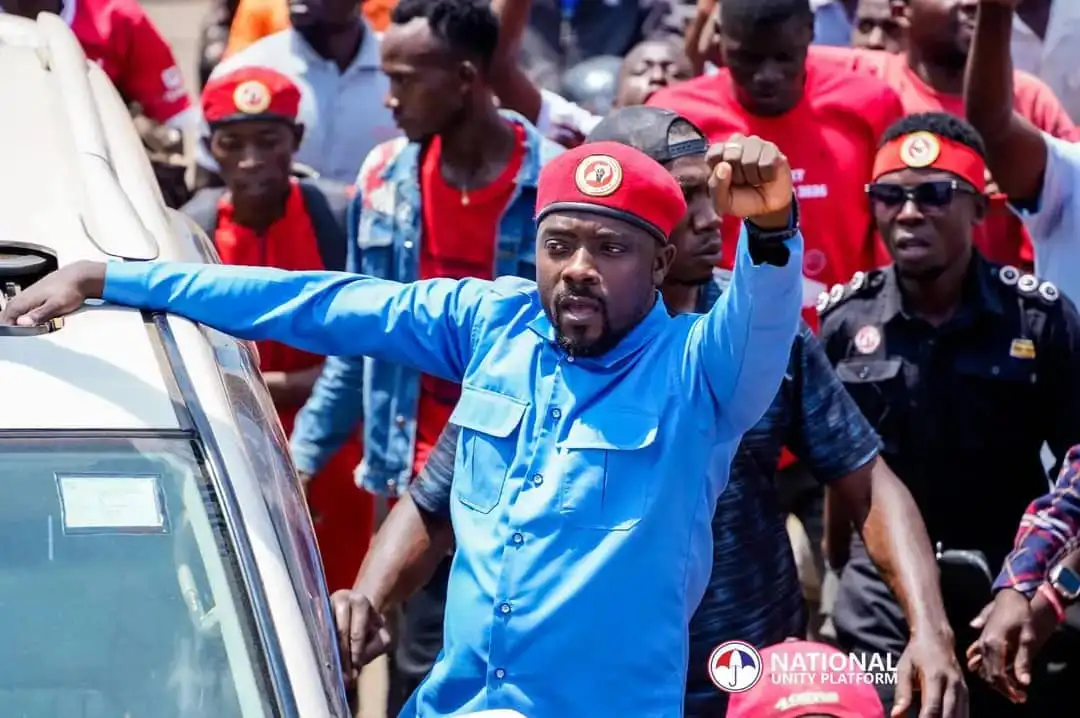
From making audiences laugh to now debating national issues in Parliament, Hussein Muyonjo — famously known as Swengere — says people doubting comedians in leadership are about to be seriously surprised.
Fresh from being sworn into Uganda’s 12th Parliament as Jinja North Division Member of Parliament, the entertainer-turned-politician has come out swinging against critics questioning whether comedians belong in serious leadership positions.
And according to him, those doubts completely miss the point.
Because if making people laugh is already one of the hardest jobs in the world, Swengere believes solving community problems should be something he is more than prepared to face.
That statement alone instantly got people talking.
Speaking to journalists shortly after taking his oath as Member of Parliament, Swengere made it clear that he understands many voters remain skeptical about entertainers transitioning into politics.
And honestly, he doesn’t entirely blame them.
Ugandans have repeatedly watched leaders make promises before eventually disappointing the very communities that trusted them.
But Swengere insists he intends to break that pattern.
“If they think comedians cannot deliver anything important, then they are missing a big point, or they have yet to understand us better,” he explained.
That line immediately sparked reactions online, especially among supporters who have long defended entertainers entering public leadership spaces.

But that’s not even the most powerful part of his message.
Swengere argued that comedy itself teaches critical leadership skills — especially the ability to emotionally connect with ordinary people and understand public struggles.
“There is nothing as hard as making someone laugh or happy,” he said.
“If I can make someone happy, then discussing issues like youth unemployment, poor roads, unsafe water, healthcare challenges, and the rule of law becomes everyday work that we are ready to handle.”
That comparison instantly shifted the conversation.
Because suddenly, comedy wasn’t being framed as “just entertainment” anymore.
It became evidence of communication, empathy, and understanding human emotion — qualities many voters often complain are missing from politics entirely.
And then things got even more personal.
Swengere openly acknowledged that public skepticism toward politicians is justified because many previous leaders failed to deliver meaningful change.
“They are right to think that way because many past leaders did not do enough and ended up disappointing voters,” he admitted.
Still, he urged residents of Jinja North to remain hopeful.
“This time, I want my voters to stay hopeful that good leaders still exist, though sometimes finding them requires patience,” he added.

“I promise they will witness good leadership from some of us they doubt.”
That final sentence hit especially hard online.
Because whether supporters agree with him or not, one thing is undeniable — Swengere understands how to speak directly to people’s frustrations.
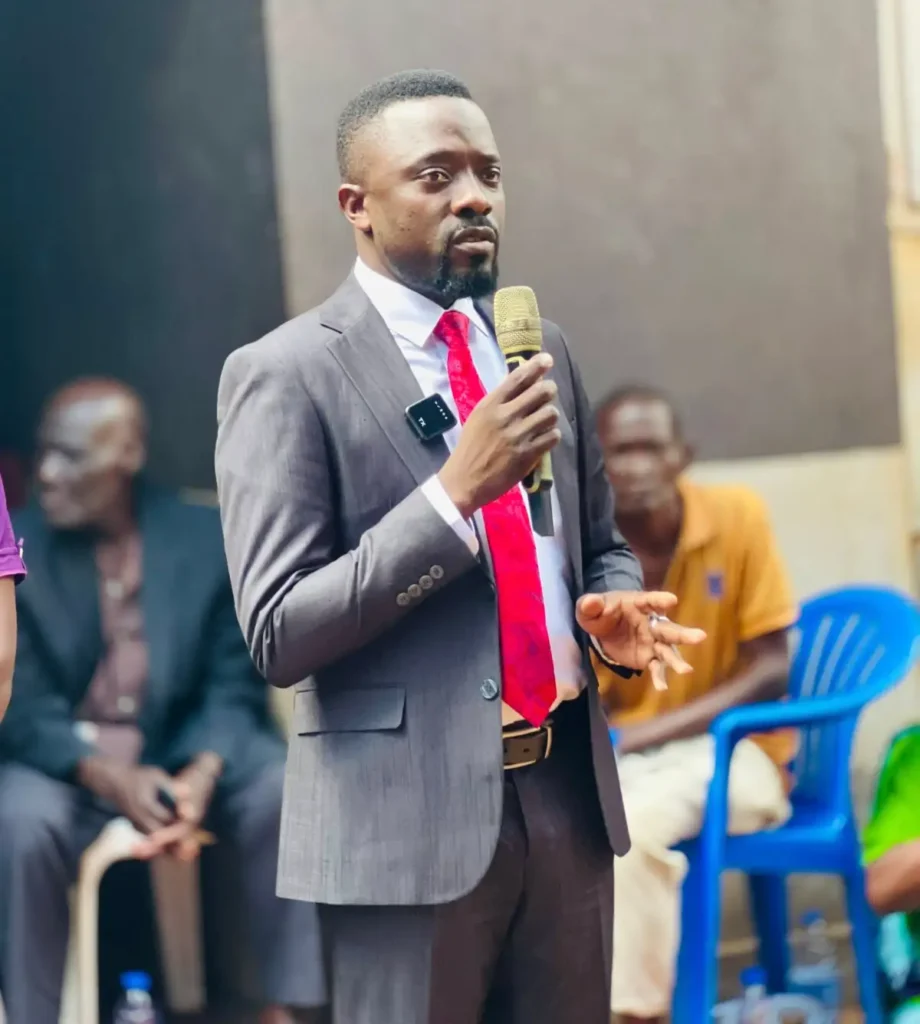
Swengere first became widely known through Uganda’s comedy and entertainment scene, where he built a strong following using humor, relatable storytelling, and performances centered around everyday struggles.
Like several entertainers before him, he eventually transitioned from public entertainment into active politics — a shift that continues becoming more common across Africa.
Globally, entertainers entering politics often face criticism from people who question whether fame automatically translates into leadership capability.
Uganda has witnessed similar debates repeatedly whenever musicians, actors, comedians, or media personalities seek political office.
Still, supporters of entertainer-politicians argue that public figures often understand ordinary citizens better because they spend years directly interacting with communities outside traditional political structures.
Swengere now finds himself at the center of that exact conversation.
And what makes his case particularly interesting is how openly he embraces his entertainment background instead of trying to distance himself from it.
Social media immediately reacted after clips of Swengere’s remarks started circulating online.
Fans quickly focused on his statement comparing comedy to leadership, with many users debating whether entertainers may actually possess stronger communication skills than traditional politicians.

Within hours, videos from the interview had spread across Facebook, TikTok, and X, triggering both support and criticism.
And yes — the internet definitely had jokes too.
Some users humorously suggested Parliament sessions may become more entertaining now that comedians are officially entering the chamber.
Others praised Swengere’s confidence and honesty, especially his acknowledgment that voters have legitimate reasons to distrust politicians.
One thing people especially noticed?
He didn’t run away from criticism.
He confronted it directly.
Online reactions remain mixed but highly engaged.
Supporters argue that entertainers like Swengere bring relatability, communication skills, and real-life connection to leadership positions often dominated by detached elites.
Others remain cautious, insisting that charisma alone cannot solve deep national challenges like unemployment, healthcare, and poor infrastructure.
A few social media users also speculated that Swengere’s performance in Parliament may influence how Ugandans perceive entertainers entering politics in future elections.
And honestly, the pressure on him is now enormous.

Because once you publicly promise “good leadership,” people start watching every move differently.
Beyond politics and public debate, Swengere’s story reflects a deeper reality many ordinary Ugandans connect with.
The desire to prove doubters wrong.
The pressure of entering spaces where people assume you don’t belong.
And the challenge of carrying public expectations while trying to build something meaningful.
For him, this transition isn’t just about holding office.
It’s about proving that backgrounds traditionally dismissed as “entertainment only” can still produce leaders capable of serious impact.
The biggest irony in Swengere’s journey?
The same comedian once making crowds laugh is now standing in Parliament discussing unemployment, healthcare, roads, and national leadership.
Different audience.
Different stage.
Still performing under pressure.
One thing’s certain — Swengere has officially entered politics with confidence, bold promises, and a point to prove.
Now Ugandans are waiting to see whether the comedian can truly deliver the punchline nobody saw coming: real leadership.