

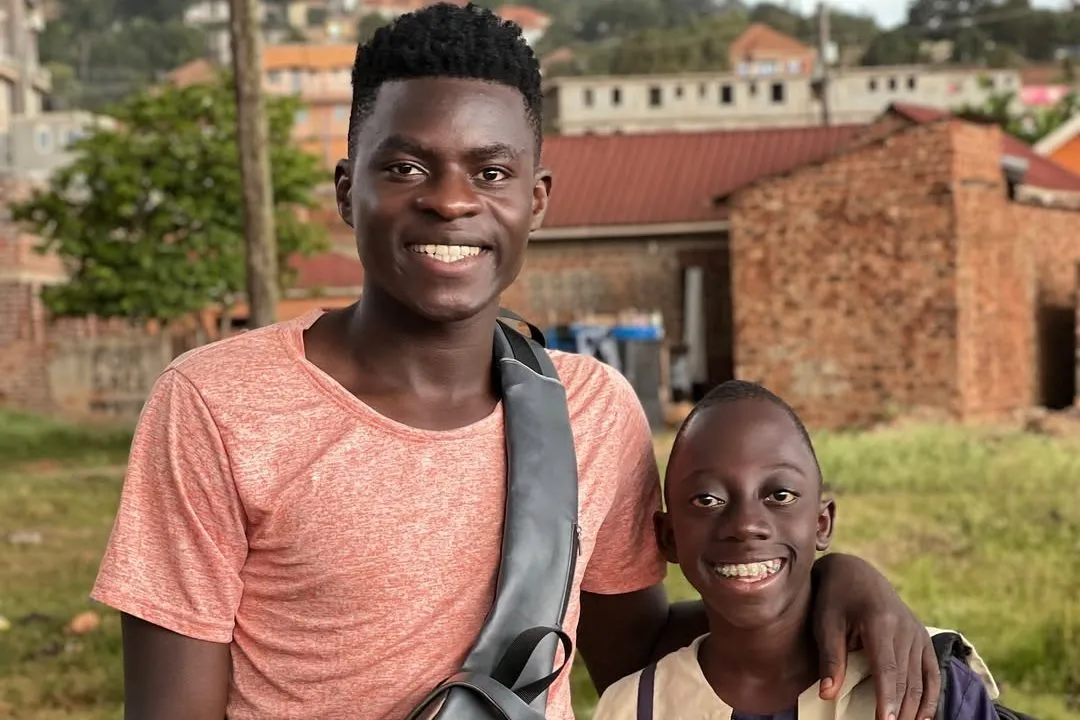
Imagine building one of Uganda’s most recognisable online brands, watching your face trend across social media for years, and then struggling to pay your own school fees.
That is the reality Rango Tenge Tenge — real name Saad Ssozi — and his family say they have been living. And they have finally decided the world needs to know who they are holding responsible.
In a bombshell public statement, Tenge Tenge and his father have come out swinging against their former manager, Michael Kabonge, accusing him of seizing control of all their social media accounts, attempting to rename their channels, and allegedly withholding the bulk of their YouTube earnings for years.
But that is not even the wildest part. Because the numbers they are describing — and the timeline — paint a picture that goes far beyond a simple business dispute.
According to Tenge Tenge’s father, the problems did not start yesterday. The family says that after years of working with Kabonge, they began noticing irregularities in how money was being reported and distributed. Despite Tenge Tenge being widely recognised as one of Uganda’s top digital influencers, the payments coming through to the family were alarmingly small.

Sometimes, he says, they would receive below $200 — an amount they would then still be required to split with the manager himself.
Let that land for a moment. One of Uganda’s biggest influencers. Split. Below $200.
The family claims the last time they received a payment they considered substantial was approximately three years ago — and the circumstances around it are telling. After they moved to fire Kabonge over suspicions of dishonesty, they were paid Shs27 million from YouTube earnings.
“Manager Michael Kabonge took over all the social media accounts, claiming they belong to him, and even tried to change the channel names,” Tenge Tenge’s father explained. “Years back, he gave us about Shs27 million from the YouTube earnings after we had fired him because we had started noticing irregularities.”
The family now believes that payment was not a genuine settlement. They believe it was damage control.

Since then, they allege, Kabonge has been telling them the channel is no longer performing well financially. The family does not believe him. And based on what Uganda’s digital advertising landscape looks like for an influencer with Tenge Tenge’s reach, their scepticism is not hard to understand.
For anyone not fully plugged into Uganda’s internet culture, Rango Tenge Tenge is not a small name. Saad Ssozi became a viral sensation through his distinctive content style, building a following that placed him firmly among the country’s most recognised digital personalities. His face, his clips, his catchphrases — they circulate. They trend. They generate views, and views generate money.
That is what makes the family’s account so striking. The gap between his online visibility and what allegedly reached his pocket is not a rounding error. According to his father, the situation has become so dire that they sometimes cannot raise school fees for Tenge Tenge — a young influencer whose content continues to circulate across platforms.
Michael Kabonge, the former manager at the centre of these accusations, has not yet publicly responded to the claims as of the time of this report. The Pop Radar will update this story when a response is available.
Fans immediately picked up on one detail and would not let it go — the school fees line.

Within hours of the family’s statement spreading online, the reaction was visceral. The internet had thoughts, and they were not holding back. Comments flooded in from followers who had watched Tenge Tenge trend repeatedly, assuming — as most fans do — that visibility equals income. The revelation that it apparently does not, at least not for him, hit differently.
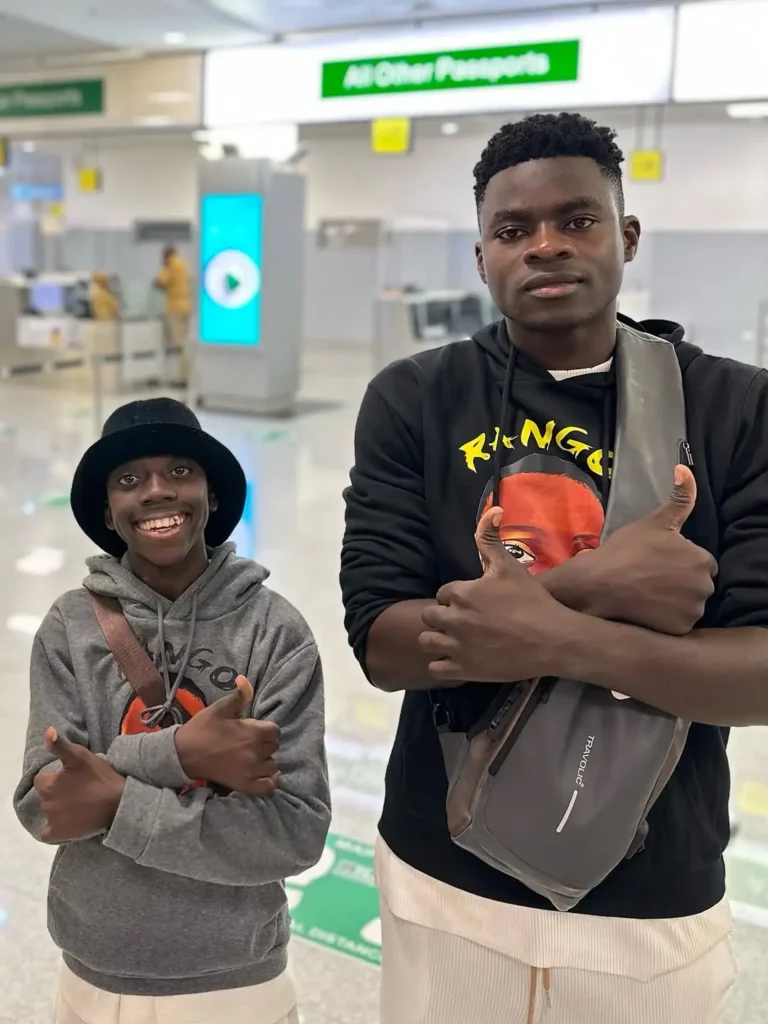
Screenshots of the family’s statement circulated rapidly, with the father’s words doing most of the emotional heavy lifting. “Sometimes we fail to raise school fees for Tenge Tenge, yet he is one of the biggest influencers in Uganda.”
That single sentence became the headline people were sharing.
Some fans believe this case exposes a much wider problem inside Uganda’s creator economy — young, talented people with massive platforms but little to no understanding of how digital revenue actually works, signing agreements that hand control to managers who may not have their best interests at heart.
Others are speculating about the legal battle ahead. The family has confirmed they are now seeking legal advice to recover the accounts and establish rightful ownership. It’s unclear how straightforward that process will be, particularly if the account access and any original agreements are disputed.

Sources close to Uganda’s digital media space suggest that informal management arrangements — with no clear contracts, no transparent revenue reporting, and no independent auditing — are far more common than the industry publicly acknowledges.
Tenge Tenge himself did not hold back when he finally spoke. His words were few but they carried weight. “All the time I have spent trending, I honestly have nothing substantial to show for it.”
For a young man who has given Uganda years of content, years of laughs, years of viral moments — that sentence is genuinely painful to sit with. Not because it is dramatic. Because it sounds completely true.
Here is the line that will be screenshotted, reposted, and quoted in comment sections for days: one of Uganda’s biggest influencers cannot pay his school fees while someone else allegedly holds his accounts and controls his earnings. If that does not start a serious conversation about how this industry treats its creators, nothing will.
The family says they want the accounts back. They want fair management. And they want answers about where the money went.
Tenge Tenge built his audience one viral moment at a time. Now he is asking for what those moments were actually worth. The real question is — will the industry finally start protecting its creators before the next Tenge Tenge ends up in the same position?