

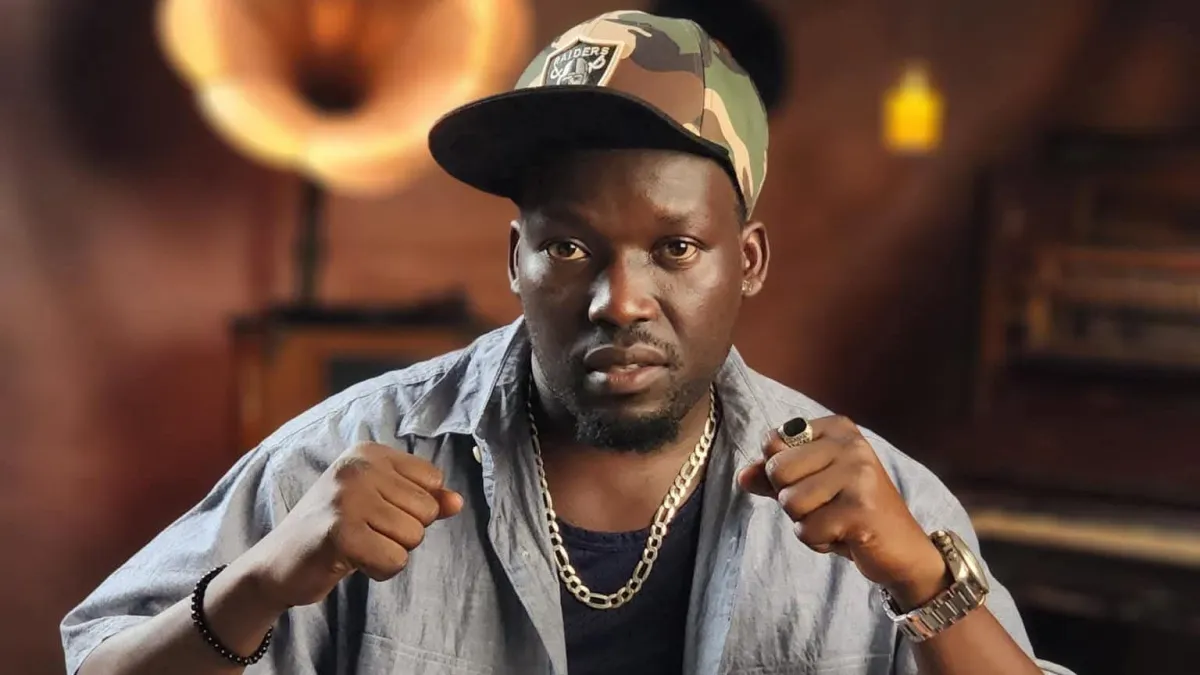
Six armed men. A hijacked vehicle. A musician snatched off a Kampala street at night — and then, silence.
For over a month, nobody could say where Ugandan singer King Zale was. Not his family. Not his friends. Not the police stations his relatives desperately visited one by one, searching for answers that never came.
Now, Uganda’s High Court has had enough.
In a landmark ruling delivered on May 29, 2026, Justice Joyce Kavuma issued a writ of habeas corpus — one of the most powerful legal tools in existence — ordering six government security agencies to either produce King Zale before the court or explain exactly where he is.
The court date is set for June 5, 2026. And the whole country is watching.
The night of April 21, 2026 started like any other — until it didn’t.
King Zale, whose real name is Gody Christopher, was near the Firebase offices in the Kamwokya area of Kampala when the alleged abduction took place. It was around 8:30 p.m.

Witnesses told the court what they saw: six armed men, some dressed in military uniforms, others in plain clothes, moved in and intercepted the vehicle King Zale was traveling in. Without warning, without explanation, they forced him out and bundled him into a Toyota Hiace — the type of vehicle locally known as a “drone.”
Then they drove away. And King Zale vanished.
His relatives didn’t sit still. They launched searches across multiple police stations — Wandegeya, Kawempe, Kira Road — looking for any trace of him. Any record. Any confirmation that he was alive and in custody somewhere.
They found nothing.
But that’s not even the most chilling part.
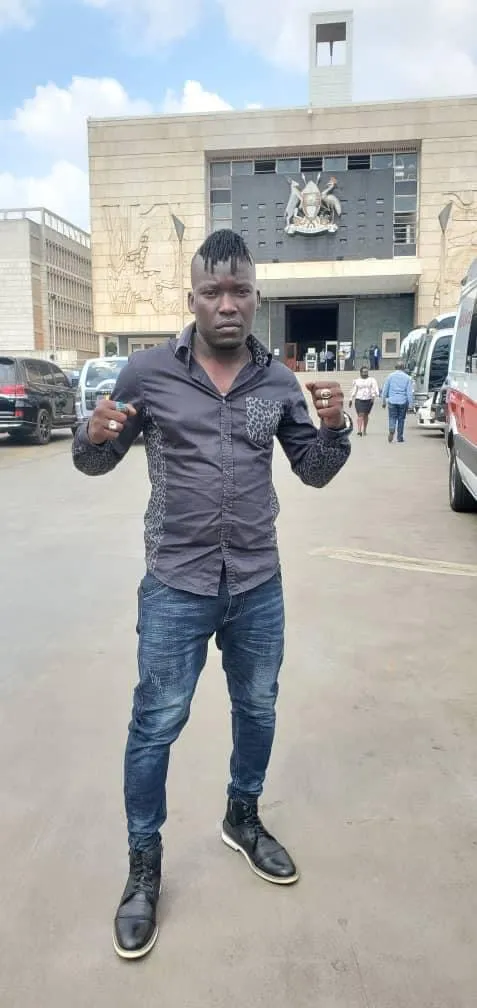
The Uganda Police Force, when formally approached about the case, denied having any record of his arrest or detention whatsoever. No paperwork. No log. No explanation.
A man was allegedly taken by armed men in military uniforms — and officially, according to police, it simply didn’t happen.

Nakiwala Lillian filed the habeas corpus application on King Zale’s behalf, informing the court that as of the filing date, the musician had not been formally charged before any court, nor had he been released. He had simply… disappeared.
Justice Kavuma reviewed the evidence and found sufficient grounds to believe King Zale could be in state custody. Six respondents were named in the order: the Attorney General, the Special Forces Command, the Uganda People’s Defence Forces, the Uganda Police Force, the Internal Security Organisation, and Defence Intelligence and Security.
All of them are now legally compelled to respond.
King Zale, known offstage as Gody Christopher, is a Ugandan musician with a following that stretches well beyond the borders of Kampala. In Uganda’s vibrant and fiercely competitive music scene, he had carved out a name for himself — one recognizable enough that his sudden disappearance sent shockwaves through the entertainment community almost immediately.
Habeas corpus — Latin for “produce the body” — is a legal writ that forces authorities to bring a detained person before a court. It exists specifically to prevent unlawful or secret detention. The fact that a judge found sufficient grounds to issue one in this case signals that the evidence presented was not taken lightly.
Uganda has seen previous cases where artists, activists, and public figures have alleged mistreatment or unexplained detention by security forces. Each time, the cases draw intense scrutiny both locally and from international human rights observers. King Zale’s case is already following that same pattern — fast.
The moment the court ruling became public, social media in Uganda erupted.

Fans immediately noticed the weight of what had just happened — a judge had essentially told six of the country’s most powerful security institutions: bring this man to court or explain yourselves.
The hashtag and name King Zale began trending across Ugandan Twitter/X and Facebook, with supporters sharing the court details, demanding transparency, and calling for his safe return. WhatsApp groups lit up with the news spreading faster than any press release could.
The internet had thoughts, and they were not holding back — many users expressing outrage, others fear, and a significant number pointing out that this story deserved far more mainstream attention than it was getting.
Within hours, human rights accounts and advocacy pages across East Africa had picked up the story.
The public response has been a mix of fury, fear, and fierce solidarity.
Many fans and supporters are demanding immediate answers, with some calling on international human rights organizations to take notice. “This is not just about music — this is about a human being who has been missing for over a month,” one commenter wrote, capturing the mood of thousands.
Some observers believe the proximity to the Firebase offices — a location with its own significance in Kampala’s political landscape — may be relevant to understanding the context of the alleged abduction. It’s unclear, however, whether that connection has any bearing on the case.

Sources close to the family say the June 5 court date is being treated with cautious hope — but also deep anxiety. The question everyone is asking is simple: will the agencies comply, and will King Zale actually walk through that courtroom door?
Behind the legal filings and court orders is something far more raw — a family that has spent over forty days not knowing if their person is alive.
Forty days of searching police stations. Forty days of unanswered questions. Forty days of waking up and not knowing.
King Zale isn’t just a case number or a trending hashtag. He’s someone’s son, someone’s colleague, someone’s friend. The musicians who shared stages with him, the fans who sang along to his music — they’re all waiting too. And for many Ugandans, this case has become a mirror reflecting something much bigger about safety, justice, and who gets protected and who gets disappeared.
Here is the brutal irony sitting at the center of this story: the Uganda Police Force — one of the agencies now legally ordered to account for King Zale’s whereabouts — already claimed they have no record of him. So either a musician was abducted by armed men in military uniforms with zero official knowledge… or someone isn’t telling the truth.
On June 5, a courtroom in Kampala will demand which one it is.
The writ has been issued, the date is set, and six security agencies have been put on notice — now the only question that matters is: will King Zale walk into that courtroom on June 5, or will the silence continue?
Drop your thoughts below — and share this story, because King Zale deserves to be found.