

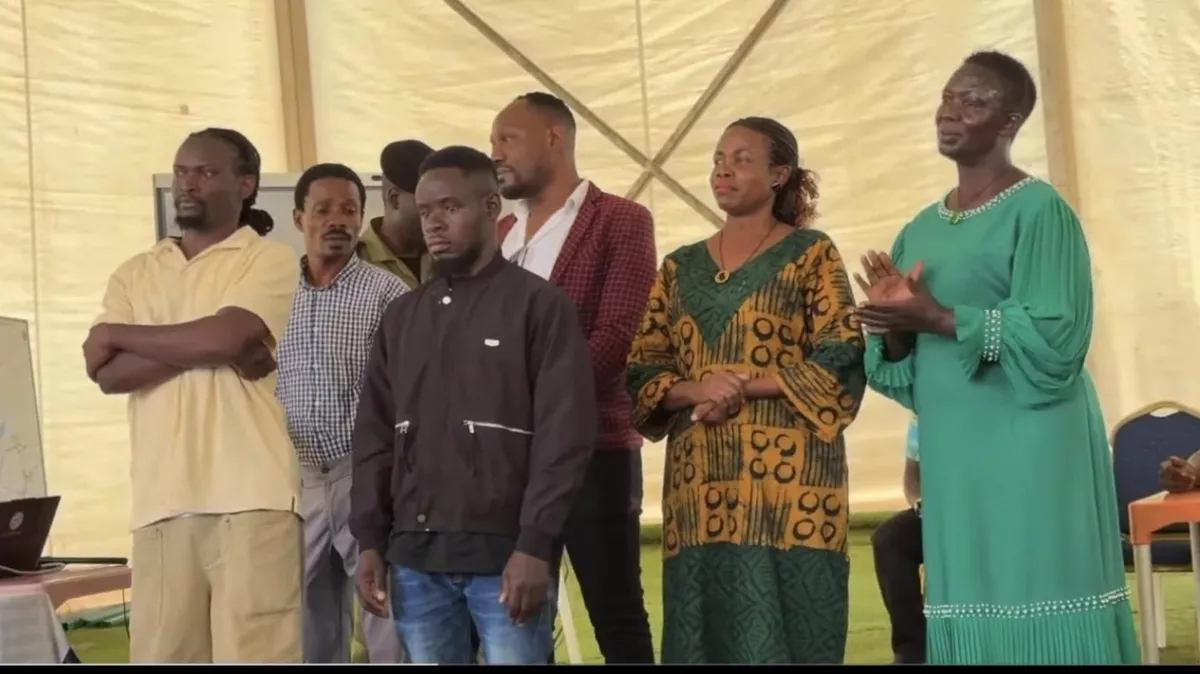
A DNA verification exercise involving individuals claiming to be children of late Kadongo Kamu legend Paul Job Kafeero has identified four people as his biological children.
The results were released by the Police Forensic Directorate at Police Headquarters in Naguru, providing an update in a long-running dispute over claims of family connection to the celebrated Ugandan musician.
A total of 25 individuals reportedly took part in the DNA testing process, which was conducted to establish biological links and help determine rightful beneficiaries connected to Kafeero’s estate.
According to the forensic findings, only four individuals were confirmed as biological children of the late singer.
The DNA exercise was carried out to address questions surrounding the paternity claims of several individuals who had come forward saying they were children of Paul Job Kafeero.

The verification process was overseen by Minister for Local Government Balaam Barugahara, Director of Forensics Andrew Mubiru, and Director of the Government Analytical Laboratory Kepher Kuchana Kateu.
Following the completion of the tests, forensic officials confirmed that four individuals matched as biological children of the late musician.
The confirmed children are:
- Benedicto Kafeero
- Simon Peter Kafeero
- Thomas Swaz Kafeero
- Elizabeth Nagawa
The findings bring new clarity to a matter that has attracted attention due to Kafeero’s legacy and the questions surrounding his family lineage.
The DNA process was intended to provide an official scientific basis for identifying beneficiaries connected to the musician’s estate.

While the results confirm the biological connection of the four individuals, the broader issues surrounding inheritance and estate matters may depend on additional legal and administrative processes.
The verification exercise focused specifically on biological relationships and did not provide further details about any other claims or possible disputes.
Paul Job Kafeero was one of Uganda’s most respected Kadongo Kamu musicians, known for his songwriting and influence on the country’s traditional music scene.
His music career earned him a strong following, making him one of the notable figures in Uganda’s cultural history.
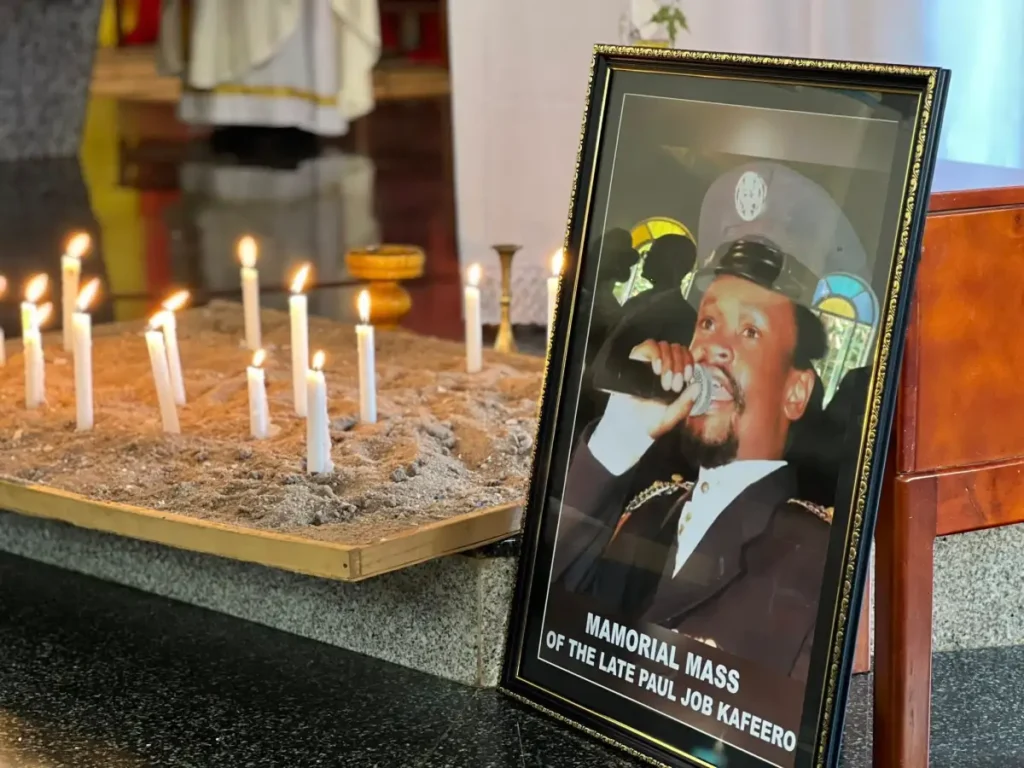
Following his passing, questions surrounding family connections and estate beneficiaries became a subject of public discussion.

The DNA testing exercise was introduced as a way of using scientific evidence to establish biological relationships among individuals claiming to be his children.
The latest findings now provide an official reference point regarding the four individuals confirmed through forensic testing.
DNA verification can play an important role in resolving family disputes, especially in situations involving inheritance, estates, and public figures.
In Kafeero’s case, the findings help separate confirmed biological relationships from unverified claims.
The results also highlight the challenges that can arise after the death of prominent personalities, where questions about family, legacy, and beneficiaries may become public matters.

For fans of the late musician, the process represents another chapter in preserving clarity around the legacy of one of Uganda’s influential music figures.
However, matters involving the families of celebrated public figures often attract attention from fans and followers who remain interested in protecting and understanding their legacy.
Further discussions may emerge as the confirmed family members and relevant authorities address any remaining estate-related issues.
The DNA exercise marks a significant moment for individuals who have been connected to Paul Kafeero’s name and legacy.
For those confirmed as his children, the results provide official recognition of their biological relationship with the late musician.
For the wider public, the findings offer clarity after years of uncertainty surrounding claims linked to one of Uganda’s most remembered musical figures.
The DNA verification process has confirmed four biological children of Paul Job Kafeero among 25 individuals tested.
The findings now provide a clearer picture of the late Kadongo Kamu legend’s family lineage and may guide future discussions surrounding his legacy.