


Veteran Ugandan DJ Nimrod has shared his opinion on the country’s female DJ scene, naming a shortlist of his favorite performers while also criticizing the growing dominance of Amapiano-heavy DJ sets.
Speaking in an interview, Nimrod said he believes Uganda has a limited number of female DJs who truly understand the technical art of deejaying beyond performance and presentation.
His comments have sparked attention because they also included direct criticism of some popular entertainers in the space.
DJ Nimrod was asked to name his favorite female DJs in Uganda during an interview, prompting him to immediately question the depth of talent in the category.
He stated that, in his view, Uganda has fewer than ten female DJs who genuinely understand the craft of deejaying.
According to Nimrod, many performers in the space gain attention for presentation rather than technical skill.

“There are fewer than 10 Ugandan female deejays that I can mention; those who genuinely understand the art of deejaying, and rather not those who are just sensational because of their bodies and choreography,” he said.
He then listed several female DJs he considers strong in the field, including:
- DJ Lolah
- Lynda Ddane
- Etania
- DJ Alisha
Nimrod also criticized what he described as overreliance on Amapiano in modern DJ sets, saying he is not a fan of the genre dominating performances.
He further argued that skilled DJs should be able to move across different genres rather than focusing on one sound.
Without naming her initially in that context, he later specifically mentioned media personality and DJ Sheilah Gashumba, saying she would not make his list.
“Sheilah Gashumba cannot make it on my list. She’s not one of my favourite female deejays. Without Amapiano, she cannot play a 2-hour deejay set,” he said.

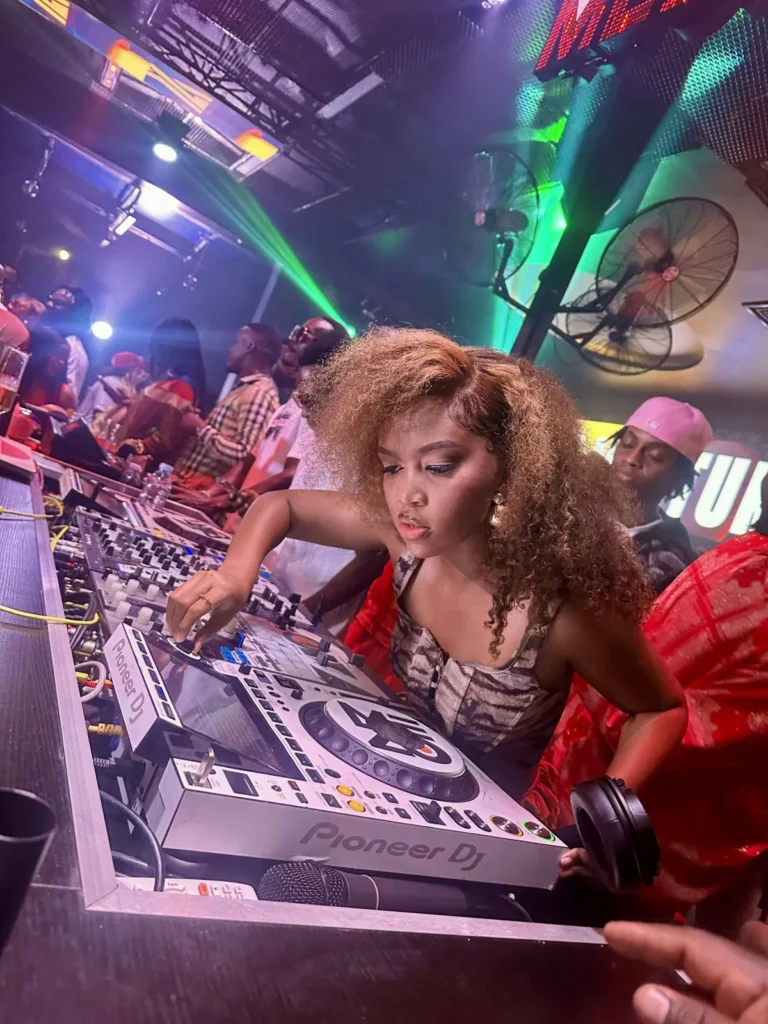
Nimrod added that deejaying improves with experience and suggested that longevity in the craft is important before being considered a standout performer.
He also extended his critique into broader music comparisons, referencing how different Ugandan artists are perceived within the industry.
DJ Nimrod is a long-standing figure in Uganda’s entertainment and nightlife scene, known for his experience as a DJ and media personality.
Uganda’s DJ culture has grown significantly in recent years, with more female DJs entering a field traditionally dominated by men.
The rise of Amapiano music from South Africa has also heavily influenced club and event playlists across East Africa, shaping how DJs structure their sets.
However, this shift has also sparked debate about originality, versatility, and technical skill within the DJ community.

Nimrod’s comments tap into ongoing discussions about authenticity and skill in modern DJ culture.
As the entertainment scene evolves, debates around genre dominance and performance style continue to shape public perception of DJs.
His remarks also highlight tension between traditional mixing skills and trend-driven setlists that rely heavily on viral sounds.
For emerging female DJs, the conversation underscores both visibility in the industry and scrutiny over technical ability.

No specific public reactions were provided in the source information.
However, comments involving popular DJs and media personalities typically generate strong debate among fans, especially around Amapiano’s influence and DJ performance standards.

As the discussion spreads, audiences are likely to weigh in on both Nimrod’s list and his criticism of current DJ trends.
Behind the sharp critique is a veteran DJ expressing concern about how the craft is evolving.
His perspective reflects a generational gap in how DJing is defined—between technical mixing skills and performance-driven entertainment styles.
While his views may divide opinion, they highlight the ongoing identity shift within Uganda’s nightlife and music scene.
DJ Nimrod’s remarks add fuel to the conversation about where DJ culture is heading in Uganda.
As the industry continues to evolve, the debate between tradition, talent, and trends shows no signs of slowing down.