

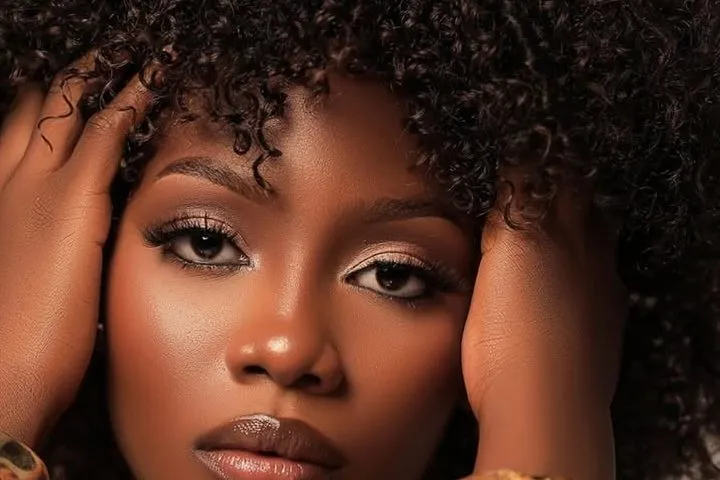
Before the confidence, there were the comments. And before she started showing up fully, Zayra Baby spent a period deliberately making herself smaller.
The Ugandan content creator, born Desire Nandijja, has opened up about a chapter of her TikTok journey that her followers may not have fully seen — the period when online body shaming quietly pushed her into baggy outfits and away from the figure she now proudly celebrates. Her account is honest, specific, and lands with the kind of weight that only comes from someone who has actually lived it.
Zayra Baby did not ease into the admission. She said it plainly.
“When I was starting TikTok, at some point I was body-shamed and developed insecurities about my body. I decided to stop wearing tight jeans for a while.”
For a creator whose platform is built substantially around her personality and appearance, that is a significant thing to acknowledge. The negative comments were not background noise — they were loud enough to change how she dressed and, for a time, how she saw herself.

But the story did not stay there.
With time, she said, something shifted. She began to see her body differently — not through the eyes of the people who had mocked it, but through her own.
“Later, I realized my body is beautiful, and now I’m changing everything.”
That turnaround comes through in how she carries herself publicly now. She is not tentative about her image — she is deliberate about it. And she addressed the ongoing criticism with a directness that her audience has clearly come to expect from her.
“These days people appreciate girls without a big nyash but with a nice waistline, and I have that. Some people are just mad because I have it and choose to show it off.”

It is the kind of response that resonates beyond the specific conversation — a refusal to apologise for existing in a body that others decided to make a problem.
She also took a moment to acknowledge her TikTok community directly, expressing genuine gratitude for the support that helped carry her through the harder period.
“I’m grateful to my TikTok family for all the love and support they have shown me in everything I do. I promise never to disappoint them.”
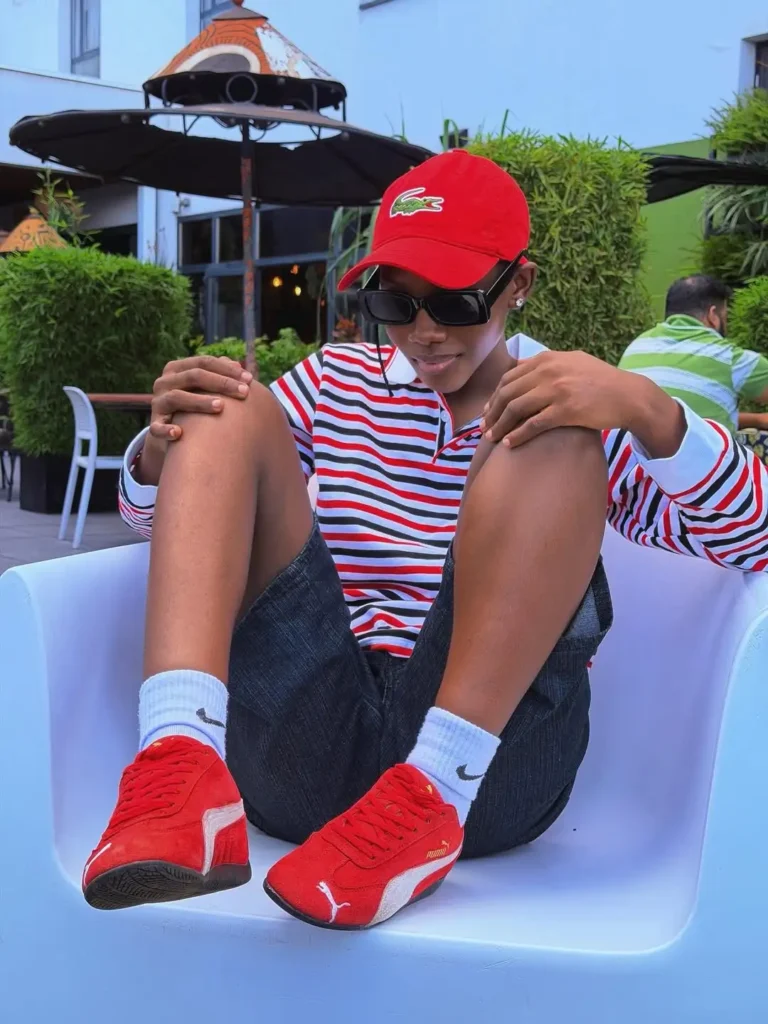
Zayra Baby has built a following on TikTok through a combination of personality, relatability, and a willingness to be herself on camera — qualities that tend to attract both loyal supporters and, inevitably, critics.
Body shaming on social media platforms is a documented and widespread issue, disproportionately affecting women and young creators who build audiences around lifestyle and personal content. For someone still establishing themselves on a platform as fast-moving and comment-heavy as TikTok, that kind of sustained negativity can have a real impact — as Zayra Baby’s account confirms.

Her decision to speak about it now, from a position of recovered confidence, gives the story a shape that is likely to resonate with other young creators navigating similar pressures.
Zayra Baby is not the first creator to speak about body shaming, and she will not be the last. But each time someone with a platform chooses to name the experience directly — rather than pretending the comments do not land — it makes the conversation a little more honest.
For her audience, many of whom are likely young women dealing with their own versions of the same scrutiny, her account carries practical weight. She is not offering a formula or a motivational speech. She is describing what actually happened: the comments hurt, they changed her behaviour for a while, and then she decided they no longer had that power.
That arc — unglamorous in the middle, quietly triumphant at the end — is more useful than any polished confidence narrative.
Beneath the public confidence and the TikTok presence, Zayra Baby pointed to something much quieter as her foundation.

Her mother.
“My mom is my inspiration. That’s why I work hard because she raised us as a single mother.”
It is one sentence, but it reframes everything. The resilience she has shown in the face of online criticism does not come from nowhere — it appears to come from watching someone navigate far harder circumstances with far fewer resources. That kind of upbringing leaves a mark, and in Zayra Baby’s case, it seems to have left the right one.
Zayra Baby spent a period letting other people’s opinions determine what she wore and how she showed up.
That period, by her own account, is over — and she has made sure everyone knows it.