

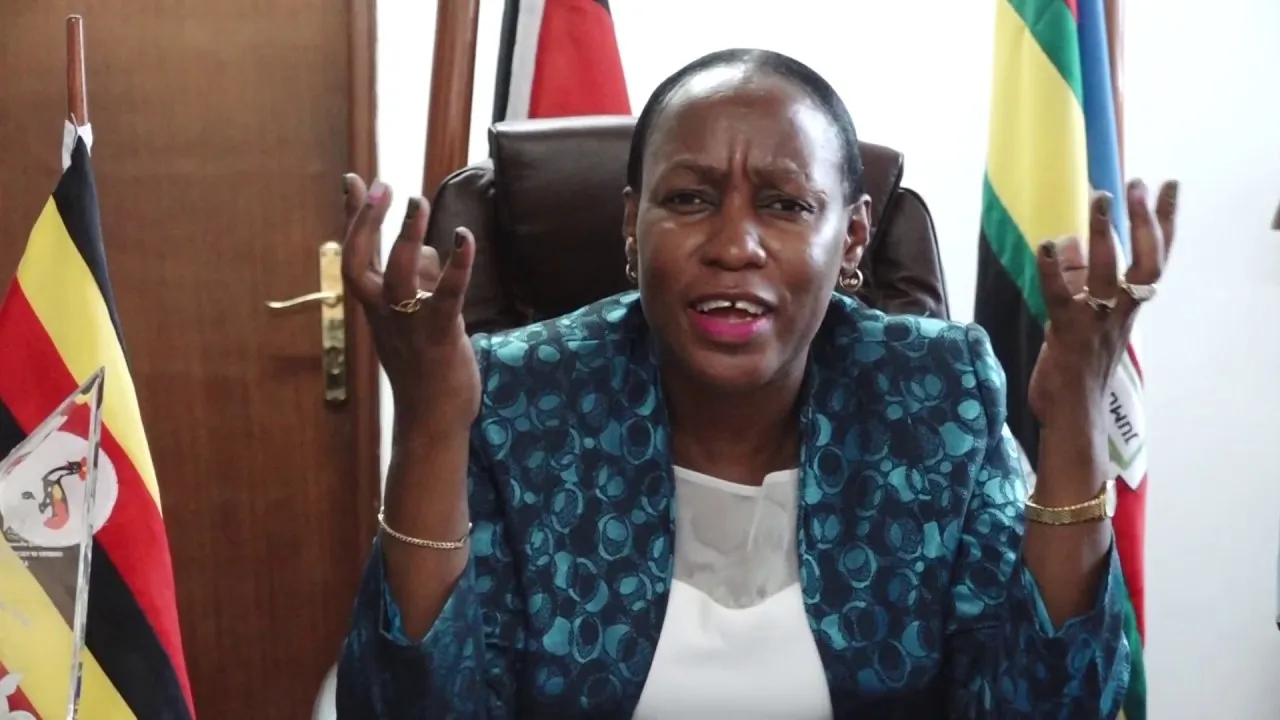
Former Minister of State for Youth and Children Affairs Florence Nakiwala Kiyingi has called on young people to approach parenthood with careful planning, saying having children should happen when individuals are financially and emotionally prepared.
Speaking about responsible parenting, Nakiwala emphasized that starting a family should be a personal decision rather than something influenced by social expectations, pressure, or competition.
She encouraged young people to consider whether they can provide essential needs such as food, education, and a stable environment before choosing to have children.
According to the former minister, responsible parenthood requires preparation and accountability toward the future of both parents and children.
[RELATED: Uganda’s Youth and Changing Family Trends]

Nakiwala Kiyingi said many young people need to rethink how they approach parenthood and recognize the responsibilities that come with raising children.
She explained that having children should not be viewed as a race or something people do because of pressure from society.
“It is not advisable to give birth before you are prepared and have a clear plan for how you will provide for your child, feed them, and educate them,” she said.
“Giving birth is not a race or a competition. It is a choice, not an obligation.”
The former minister stressed that parents have a responsibility to ensure children grow up with access to basic necessities and proper care.

She argued that decisions about starting families should involve consideration of financial stability, emotional readiness, and the ability to provide a supportive environment.
Nakiwala also discussed population planning, saying some countries that have experienced significant development placed emphasis on controlling population growth and encouraging responsible family decisions.
She cited China as an example, referring to the country’s former one-child policy, which placed restrictions on family size for many years.
“Some of the nations that have developed started by putting in place tough restrictions. In China, for example, people were once limited to having only one child,” she said.
She added that such policies were linked to concerns about whether families had the resources to support additional children.

Nakiwala’s comments come amid wider conversations about youth, economic challenges, family planning, and the responsibilities involved in raising children.
Florence Nakiwala Kiyingi previously served as the Minister of State for Youth and Children Affairs in Uganda.
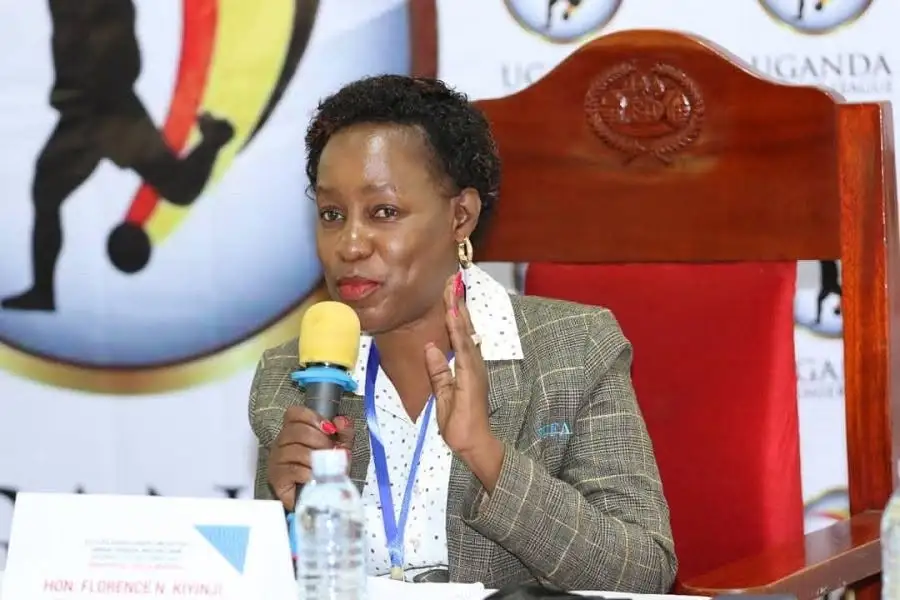
Her work in government included addressing issues affecting young people and children, including welfare and development concerns.
Discussions around responsible parenthood often focus on ensuring children have access to education, healthcare, nutrition, and safe living conditions.
Uganda, like many countries, continues to experience conversations around population growth, youth empowerment, and the economic challenges facing families.

Parenthood decisions can have long-term effects on both families and communities.
Nakiwala’s message focuses on preparation and responsibility, highlighting the importance of considering the needs of children before becoming parents.
The discussion also reflects broader debates about how young people navigate relationships, financial pressures, and future planning.
Raising children involves more than the decision to become a parent—it requires commitment, resources, and emotional support.
Nakiwala’s remarks encourage individuals to think beyond the moment and consider the kind of future they want to create for their families.
Her message places attention on children’s well-being and the responsibilities parents carry after making the decision to bring a child into the world.
Florence Nakiwala Kiyingi says parenthood should be approached with preparation and responsibility, reminding young people that raising children is a lifelong commitment rather than a decision driven by pressure.