


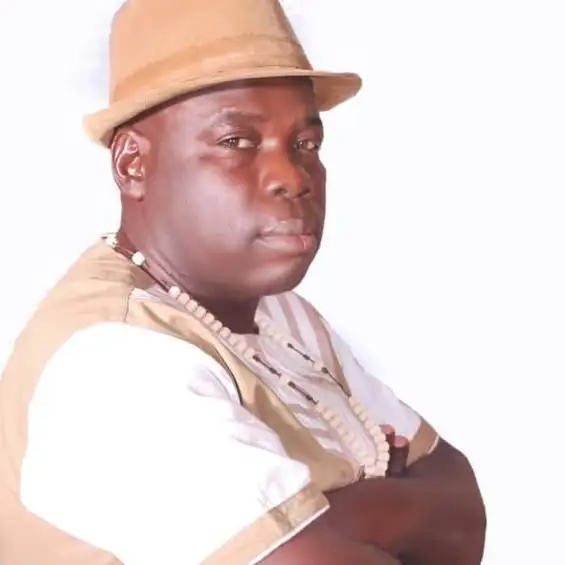
Veteran Kadongo Kamu singer Godfrey Kajubi Kibijigiri has shared his unwavering position on one of the most debated issues in modern families—DNA paternity testing.
The longtime musician says he has no intention of ever subjecting his children to DNA tests, explaining that the growing number of family disputes triggered by paternity revelations has only strengthened his conviction. According to Kajubi, the emotional damage caused by such discoveries can outlast generations, leaving families permanently divided.
Rather than leaving the decision to future relatives, the “Ndeka Nsome“ singer says he has already addressed the matter in his Will with clear instructions intended to prevent any attempts to carry out DNA testing after his death.
A Firm Decision Rooted in Family Unity
Speaking about the issue, Kajubi said he has watched other families struggle after DNA results revealed unexpected truths about parentage.
Those experiences, he explained, convinced him that the risks outweigh any potential benefits.

“I will not carry out DNA tests on my children because of the results we have seen from other families. Even after I’m gone, I don’t want anyone conducting DNA tests.”
The veteran entertainer believes such tests often leave siblings emotionally scarred and relationships beyond repair, particularly when the revelations emerge after one or both parents have died and can no longer explain the circumstances.
Instead of bringing closure, Kajubi argues that the process frequently creates new conflicts that continue long after the test results become public.
A Will Designed to Prevent Future DNA Disputes
Kajubi revealed that he took the unusual step of including specific instructions in his Will to discourage any future efforts to obtain his DNA.
According to the singer, he requested to be buried 15 feet underground, saying the depth would make it difficult for anyone to exhume his remains if questions about paternity ever surfaced.

“I made a Will instructing that I be buried 15 feet underground so that no one will have the opportunity to exhume my remains.”
The remarks reflect just how strongly he feels about protecting his family’s privacy even after his passing.
While Kajubi did not indicate that any disputes currently exist within his own family, he made it clear that his decision is based on examples he has observed involving other families.
Kajubi’s Advice to Parents Facing Paternity Doubts
Beyond explaining his personal choice, Kajubi also offered advice to parents who may privately question a child’s biological parentage.
Rather than pursuing DNA tests that could permanently affect family relationships, he suggested handling such concerns discreetly.

According to the singer, if someone genuinely believes a child is not biologically theirs, they should quietly reflect that decision in their estate planning instead of publicly exposing the matter.
Kajubi believes that approach avoids creating lifelong divisions between siblings while allowing individuals to make personal decisions about inheritance without public confrontation.
His comments emphasize privacy over public disputes, particularly in situations where children may bear the emotional consequences of decisions made by adults.
Why the Conversation Resonates
DNA paternity testing has become an increasingly discussed topic across Uganda and beyond, with public conversations often reigniting whenever high-profile family disputes emerge.
Supporters argue that DNA testing provides certainty and can resolve lingering questions about biological relationships.

Others, like Kajubi, believe the emotional consequences can sometimes outweigh the benefits, especially when testing occurs years after families have already been established.
His comments add another perspective to an ongoing conversation that touches on family dynamics, inheritance, trust, and the long-term impact of sensitive personal decisions.
A Personal Perspective Rather Than a Public Campaign
Kajubi’s remarks do not call for broader restrictions on DNA testing. Instead, they reflect his own personal philosophy about preserving family unity.
By documenting his wishes in his Will, the veteran musician says he hopes to prevent future disagreements involving his own family while avoiding situations that could leave loved ones emotionally divided after his death.
His comments also underscore the importance he places on planning ahead, believing difficult family matters should be addressed privately rather than becoming public battles.
Whether people agree with his stance or not, Godfrey Kajubi has made one thing unmistakably clear: he wants his family’s future to be guided by the wishes he has already put in writing, not by DNA tests conducted after he’s gone.