

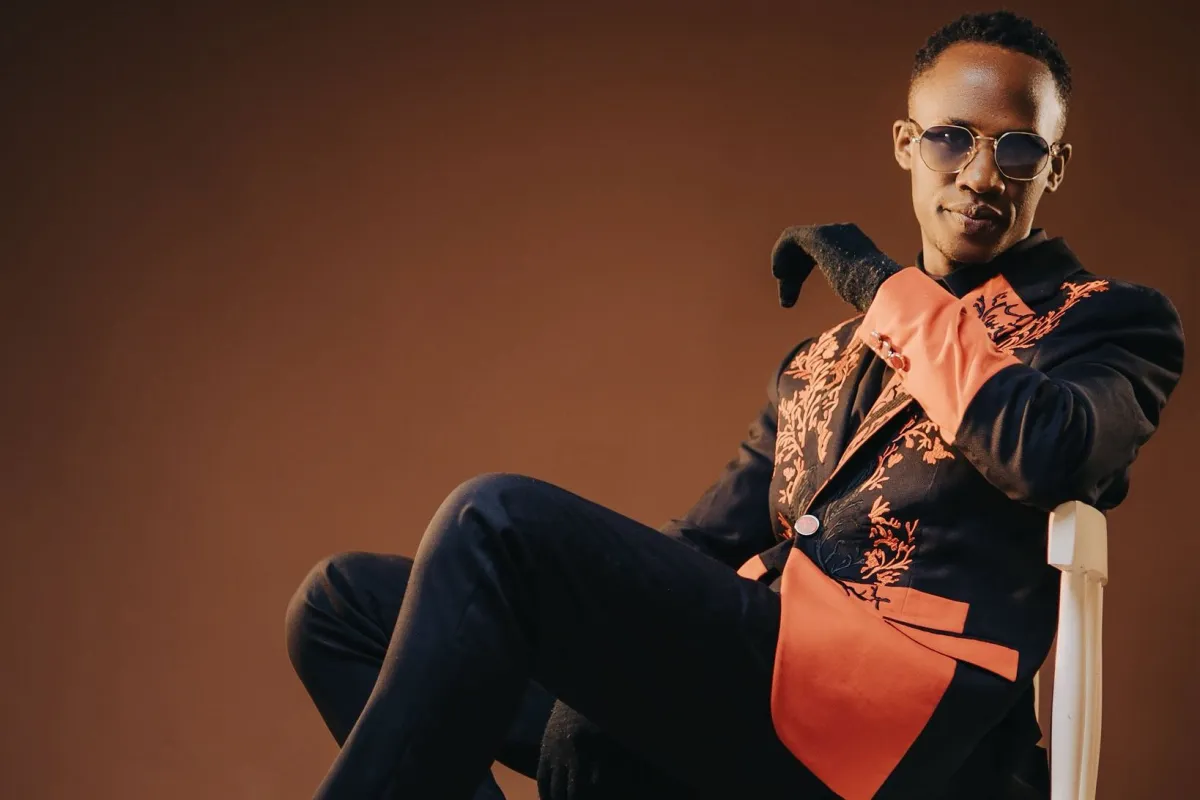
Rising Ugandan singer Laty Wizy has opened up about his frustrations with the country’s music industry, accusing some artists and industry players of failing to properly recognize the creative contributions of fellow musicians.
The singer says the lack of credit given to artists has affected his willingness to collaborate, arguing that creatives should respect each other’s work and acknowledge original contributions.
Laty Wizy’s comments come as he shared a personal experience involving the song “No One Nobody,” which he claims was originally his project before it was later recorded by Sheebah and Jowy Landa.
Speaking about the wider industry culture, Laty Wizy said some artists struggle to appreciate the work of others and often react negatively when such concerns are raised.
“One thing I dislike about artists is that they don’t want to give fellow artists credit where it’s due. When you speak out, they start developing attitudes, and some even end up hating you.”

According to the singer, this environment makes it difficult for artists to openly defend their creativity and contributions without creating tension.
He explained that instead of supporting each other, some creatives become uncomfortable when questions about recognition and ownership are raised.
Laty Wizy then shared what he described as one of his personal experiences with the song “No One Nobody.”
The singer claimed that he had already recorded the song and invested money into producing its music video before losing control of the project.
“There was a song that came out last year, and it was literally my song. Somebody gave it to Sheebah, and another person gave it to Jowy Landa, yet it was originally mine. The song was ‘No One Nobody.’ I had even shot its visuals.”

Laty Wizy did not reveal the individuals he believes were responsible for sharing the song, saying he preferred not to disclose those details publicly.
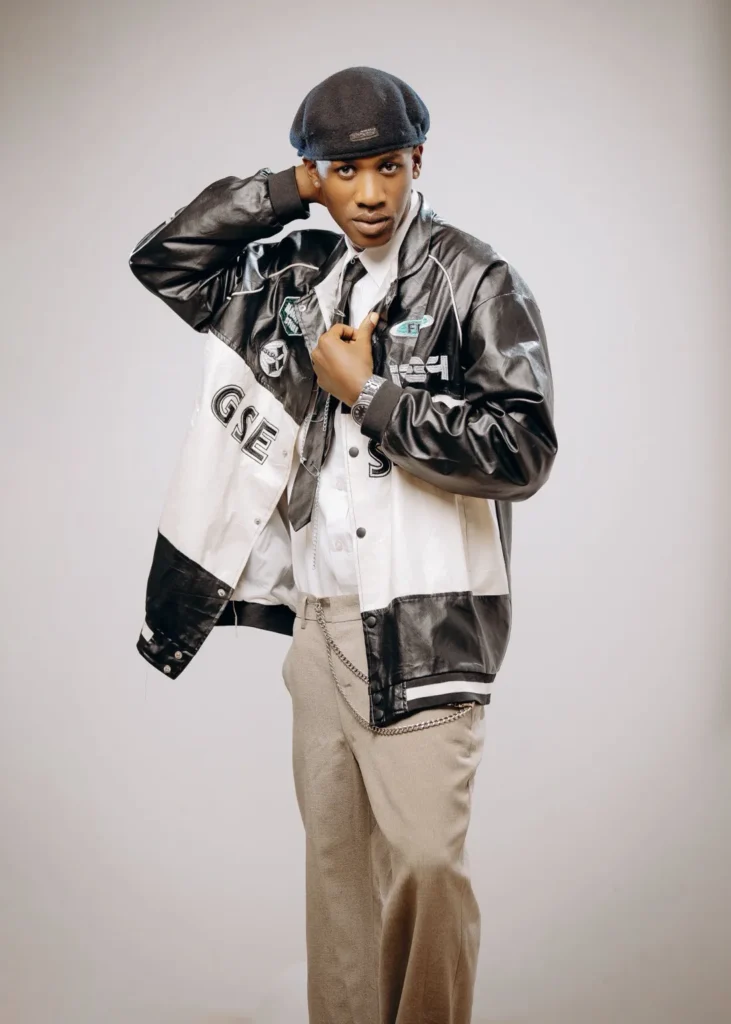
However, he said the situation resulted in financial losses after he had already invested in both the audio production and visuals.
“I don’t want to share details of who took and shared it, but that’s how things happen. We put in the work, then other people benefit and reap from it while we’re left counting losses. I paid for the studio production and the video.”
The singer’s claims have not been independently verified, and no response from the artists or individuals he referenced was provided in the available information.
For Laty Wizy, the experience represents a bigger issue within the entertainment industry—how creatives protect their ideas and receive recognition for their contributions.
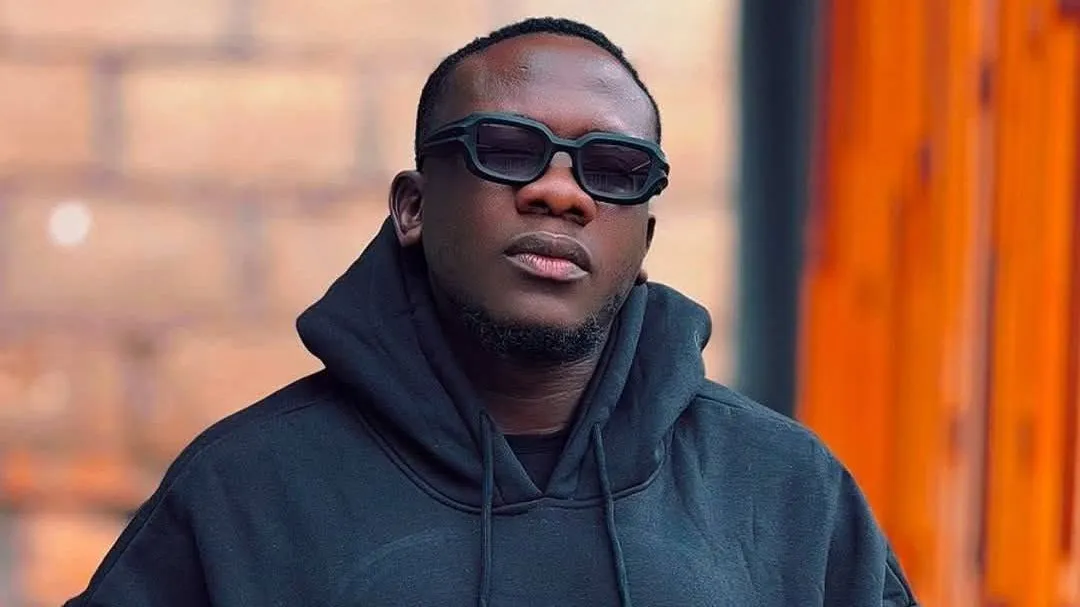
Laty Wizy is an emerging Ugandan singer working to establish his place in the country’s competitive music scene.
Like many upcoming artists, he has highlighted challenges that can come with building a career, including collaboration struggles, industry relationships, and ensuring creative contributions are acknowledged.
His comments about “No One Nobody” come from his personal account of events surrounding the song.
While he says he invested in the track before it was later released by other artists, the specific circumstances behind the project have not been publicly clarified by all parties involved.
Why It Matters
Questions surrounding ownership, songwriting credits, and creative recognition are common challenges in the global music industry.

For emerging artists especially, protecting original ideas and ensuring proper acknowledgment can be an important part of building sustainable careers.
Laty Wizy’s remarks highlight concerns about trust and transparency among creatives, while also sparking conversations about how Uganda’s music industry handles collaboration and ownership.
Behind Laty Wizy’s frustration is a story about the emotional and financial investment artists put into their craft.
Recording a song, producing visuals, and promoting a project often requires significant resources, making recognition an important part of an artist’s journey.
Despite his disappointment, the singer said he still believes creatives deserve honesty and respect for their work.
His message is that a stronger music industry depends not only on talent but also on fairness, accountability, and giving credit where it belongs.
The conversation around “No One Nobody” now adds another chapter to the ongoing discussion about protecting creativity in Uganda’s entertainment space.