


Chozen Blood Says He Refunded His UPRS Royalty Payment Over Transparency Concerns
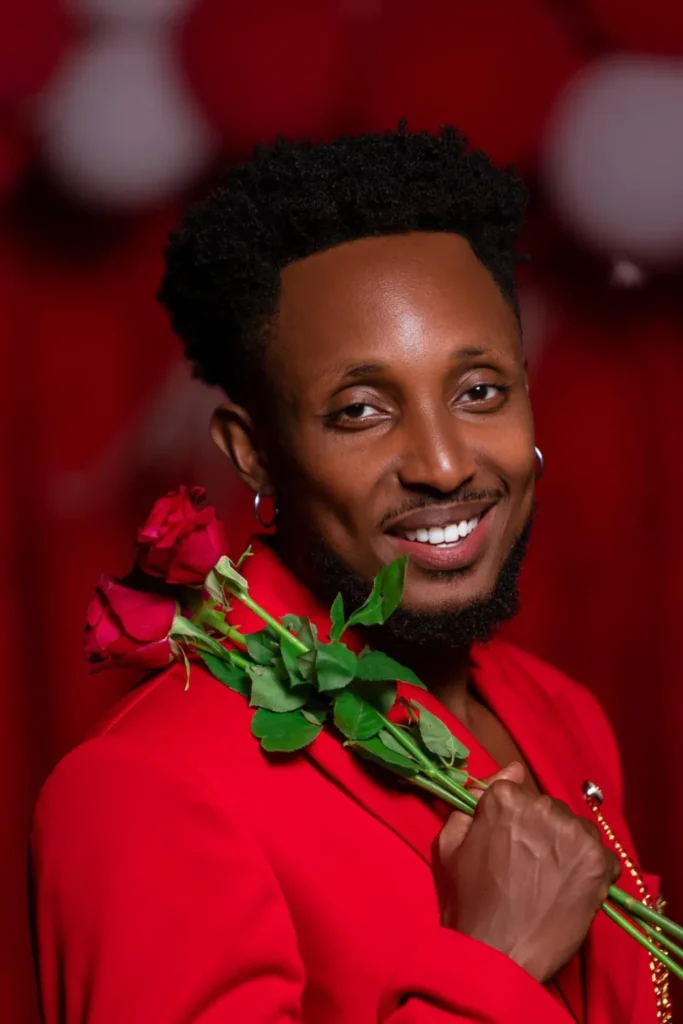
Ugandan singer Chozen Blood has revealed that he returned the royalty payment he received from the Uganda Performing Rights Society (UPRS), saying the amount raised more questions than answers about how royalties are calculated and distributed.
Speaking in an interview with Galaxy TV, the singer disclosed that he received Shs60,000 from UPRS but chose to refund the money instead of keeping it. According to Chozen Blood, his decision was not solely about the amount itself, but about what he believes is a lack of transparency in the royalty distribution process.
His remarks come as conversations around music royalties continue to dominate Uganda’s entertainment industry, with several artists publicly discussing the payments they have received from the collecting society.
Chozen Blood Explains Why He Returned the Money
Chozen Blood said he immediately sent the payment back to UPRS because he wanted the organization to first explain how it calculates and distributes royalties.
According to the singer, artists deserve to understand the payment formula before accepting the funds.
“I received it and refunded it to their account. I told them that if they are not ready to come out and openly explain the payment procedure to stakeholders, they should stop disbursing the money and first explain the process so that we understand it.”
He added that receiving Shs60,000 after spending years building his music career did not make sense to him.
“I have been singing for 15 years, you can’t give me Shs60,000. It’s like cursing my business.”
For Chozen Blood, the issue extends beyond one payment and centers on transparency and accountability within the royalty system.
Questions Over How Royalties Are Calculated
The singer also questioned how UPRS arrived at the amount he received.
He pointed to the size of his music catalog, saying he has released more than 100 music videos on YouTube, with none attracting fewer than 100,000 views.
Based on that body of work, Chozen Blood said he struggles to understand how his royalties could amount to just Shs60,000.

While he did not present an alternative figure that he believes he should have received, he maintained that artists deserve a clear explanation of the methodology used to determine payments.
His comments reflect concerns that have surfaced from several musicians who have called for greater clarity around royalty collection and distribution.
Calls for Better Communication
Beyond questioning the payment itself, Chozen Blood urged UPRS to improve its engagement with artists.
He argued that open communication is essential for building confidence in the royalty system and suggested the organization strengthen its public communication.
“We need each other; they shouldn’t paint a picture that we need them more. Let’s get professional public relations officers.”
According to the singer, transparency would help reduce misunderstandings and allow musicians to better understand how their earnings are determined.

He believes artists and collecting societies should work together rather than operate from opposing positions.
The Wider Royalty Debate
Chozen Blood’s comments come shortly after other Ugandan artists, including Weasel, Spice Diana, and Lydia Jazmine, publicly confirmed receiving royalty payments from UPRS.
The disclosures have sparked broader conversations across Uganda’s music industry, with many artists asking for more information about how royalties are collected, calculated, and shared.
While some musicians have welcomed receiving payments, others have questioned whether the amounts accurately reflect the commercial performance of their music.
Chozen Blood’s decision to refund his payment adds another perspective to that ongoing discussion.
Why It Matters
Royalty collection remains an important source of income for musicians, particularly as the industry continues shifting toward digital platforms, broadcasting, and public performance licensing.

For any collecting society, transparency and trust are critical to maintaining confidence among its members.
Chozen Blood’s remarks highlight the growing demand from artists for clearer communication about how royalty systems operate and how individual payments are determined.
Whether those concerns lead to changes in communication or policy remains to be seen.
The Human Angle
For artists, royalties represent more than just money—they symbolize recognition for years of creative work.
Chozen Blood says his decision to return the payment was meant to encourage greater openness rather than simply reject the funds.
His message is that understanding the process matters just as much as receiving the payment itself.
As conversations around royalties continue across Uganda’s music industry, transparency remains at the center of the debate.