

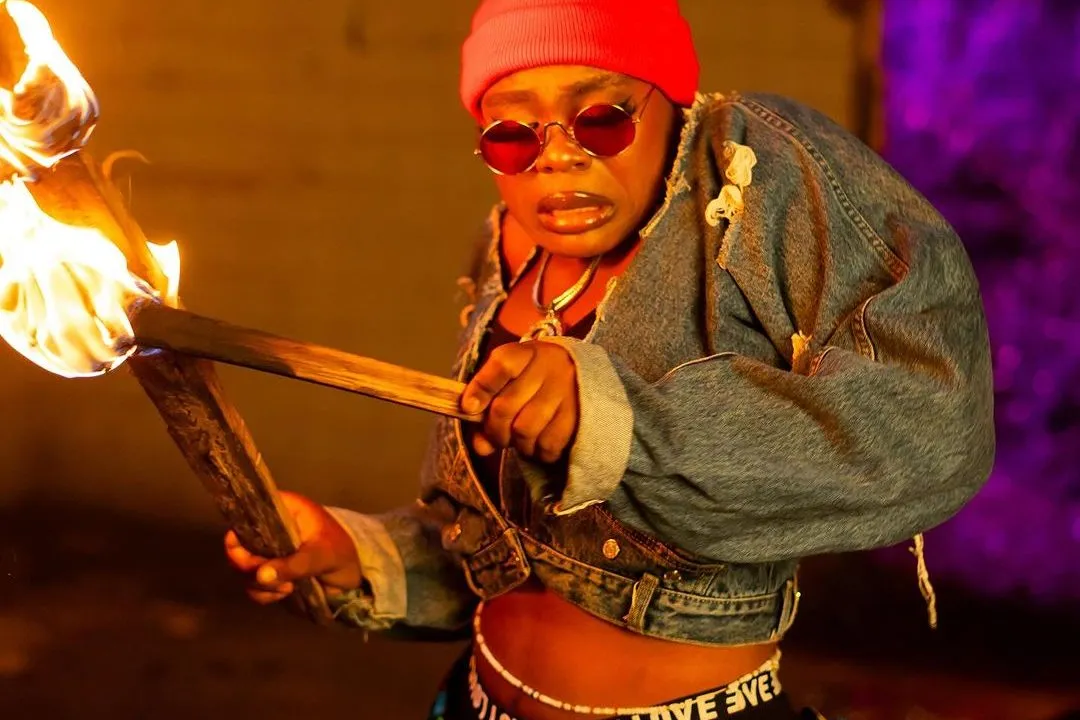
Ritah Dancehall is putting a spotlight on an often-overlooked side of Uganda’s entertainment industry: the struggles faced by professional dancers.
The dancer-turned-singer says dancers continue to battle negative perceptions in Uganda, where the profession is sometimes viewed as a hustle rather than a legitimate career.
According to Ritah, the country’s dance industry has yet to establish a strong enough foundation to give dancers the recognition and financial security enjoyed by some other performers.
She also opened up about her own experiences performing on artists’ stages, saying there have been occasions when she received little or no payment.
For Ritah, the issue goes beyond money. It is about whether dancers are being treated as professionals whose contribution deserves proper recognition.
Ritah spoke candidly about the realities facing dancers while discussing how the profession is perceived within Uganda’s entertainment industry.
She argued that the dance industry is still developing and has not yet established a solid foundation capable of supporting dancers in the same way other areas of entertainment are supported.
“The dance industry has yet to establish a solid base in Uganda’s entertainment industry,” Ritah said. “A dancer in Uganda is considered and seen as someone who is a failure and a hustler in life.”

Her comments highlight a perception she says dancers continue to encounter despite the role they play in live performances, music videos and stage shows.
For Ritah, dancing is not simply something people do on the side. It can be a profession, but making a sustainable living from it remains difficult.
She explained that dancers ultimately have the same financial motivation as other entertainment professionals: earning a living from their talent.
“Despite being judged the way people want to, our end point is hunting for money,” she said.
Ritah then pointed to her own experiences on stage, revealing that performing alongside established artists has not always translated into meaningful compensation.
“Sometimes I take to artists’ stages and end up not getting paid,” she said.
She specifically recalled performing on Dexta Daps’ stage, saying she received what she described as a small payment.
“At Dexta Daps’ stage, I got a little pay,” Ritah said.

Her larger concern is the difference between what dancers can earn and what musicians receive for their work.
She argued that receiving compensation comparable to what an artist might earn remains largely out of reach for dancers.
“Getting a payment like how an artist gets paid—let’s say Shs3 million as the least—is something a dancer doesn’t get,” she said.
The comments have opened a wider conversation about how dancers are valued within Uganda’s entertainment ecosystem.
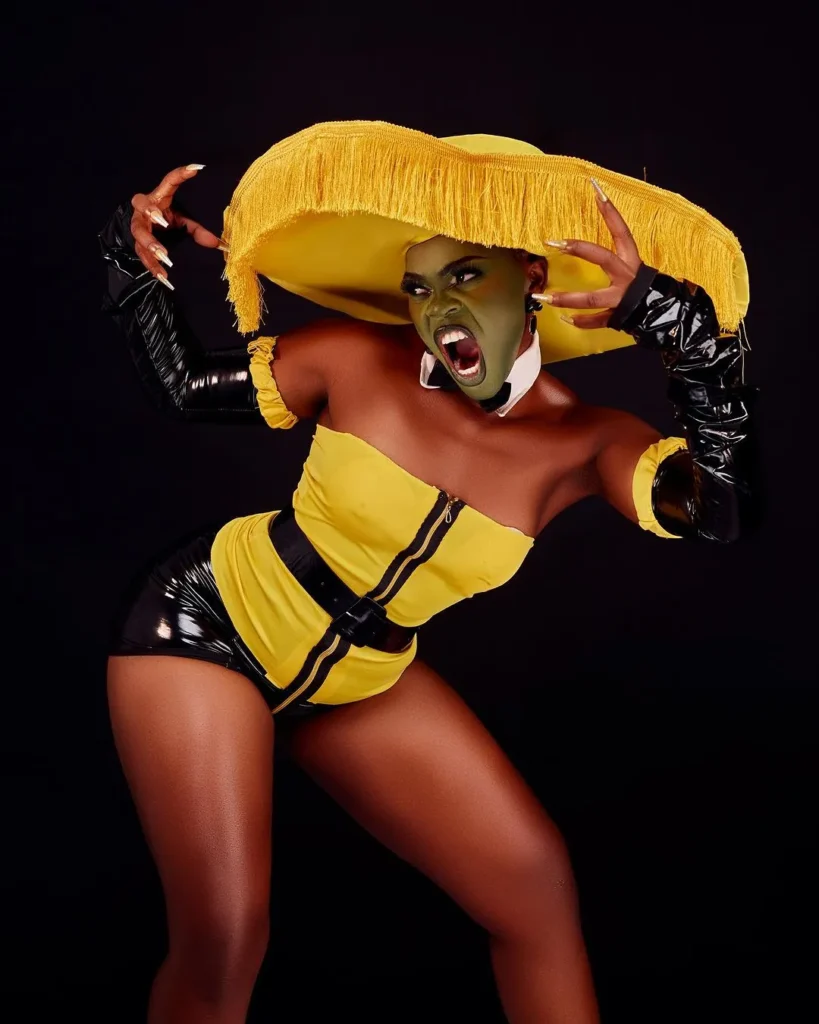
Ritah Dancehall is known as a dancer who has also transitioned into music, giving her experience from both sides of the performance industry.
That background gives her perspective on the difference between being part of an artist’s stage show and being the headline act.
Dancers are often an important visual component of live performances, helping artists build energy and stage presence.
Yet Ritah argues that their contribution does not always translate into the kind of financial reward associated with other entertainment roles.

Her criticism is therefore centred on the structure of the industry rather than a single performance.
She believes Uganda’s dance sector needs stronger foundations, better opportunities and greater recognition if dancers are to build sustainable careers.
The comments also come as Uganda’s entertainment sector continues to expand across music, live events, television and social media, creating more opportunities for performers while also exposing gaps in how different creative professionals are compensated.
Ritah’s comments touch on a fundamental question in entertainment: who gets paid when a performance succeeds?
A major concert may depend on singers, musicians, DJs, dancers and other professionals working together to create the final experience.
Yet the financial rewards are not necessarily distributed equally.
Ritah’s experience, as she described it, suggests dancers can find themselves performing in high-profile environments without receiving compensation comparable to the artists they support.
Her reference to Shs3 million illustrates the scale of the disparity she believes exists, although she did not suggest that every dancer or every performance receives the same amount.

The larger issue is professional recognition.
If dancing is treated as a legitimate career, Ritah believes the people doing the work should have opportunities to earn from their talent and build sustainable livelihoods.
Behind every stage performance are people whose work may not always be visible once the spotlight turns toward the headline artist.
Dancers rehearse, perform and contribute to the visual identity of live shows, but Ritah says their financial realities can be very different from those of musicians.
Her decision to speak about her own experiences makes the conversation personal rather than theoretical.
She is not simply describing a problem affecting other dancers; she is drawing attention to challenges she says she has encountered herself.
For an industry built around performance, Ritah’s message is straightforward: the people helping create the show also deserve to be valued.
Ritah Dancehall’s comments have placed Uganda’s dance industry under the spotlight, with the singer calling for greater respect, better opportunities and fairer compensation for dancers.