

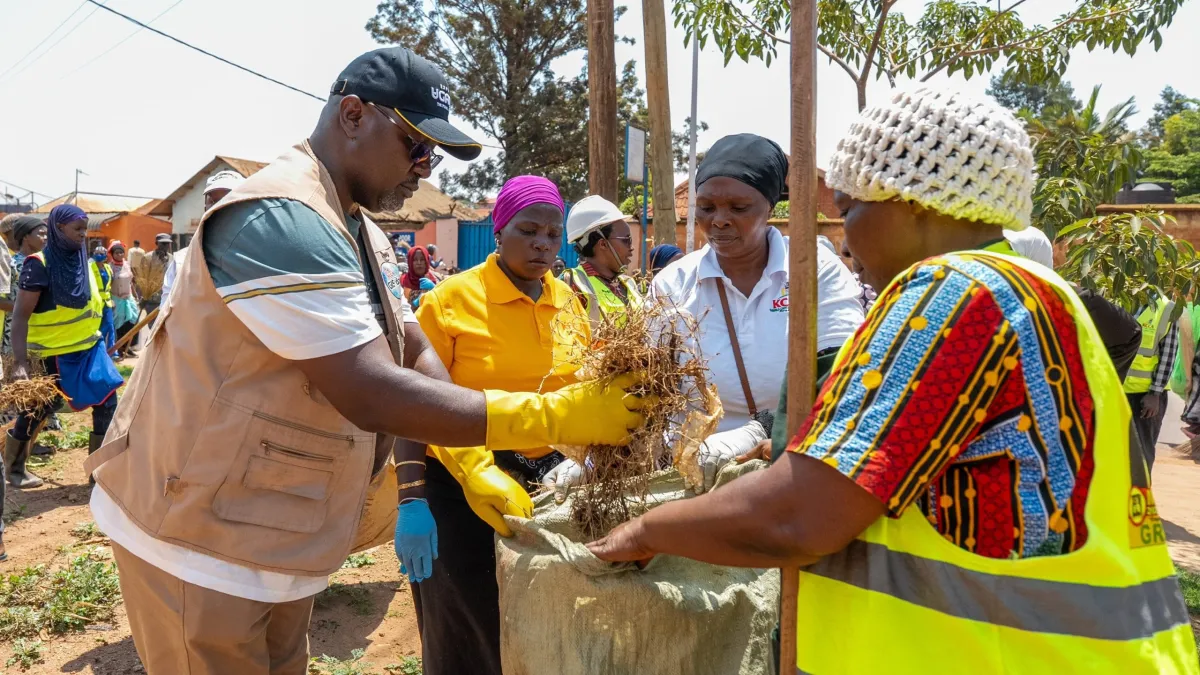
The Kampala Capital City Authority (KCCA) has announced new waste collection charges ahead of the National Cleaning Day on August 29, as the Authority moves to strengthen garbage collection and tackle illegal dumping across the city.
Under the new charges, residents living in designated informal settlements will pay Shs1,000 for every 50-kilogramme bag of waste.

Other households and commercial premises—including shops, offices, restaurants and arcades—will pay Shs3,000 per 50-kilogramme bag.
Institutions such as churches, mosques, schools and temples will be charged Shs40,000 per load.

KCCA says the charges are part of broader efforts to improve waste management and ensure garbage moves through designated collection and disposal channels rather than ending up on roadsides or other unauthorised locations.
According to a statement issued by KCCA Executive Director Sharifah Buzeki, Kampala generates between 2,000 and 2,500 tonnes of waste every day, placing significant pressure on the city’s existing waste collection capacity.

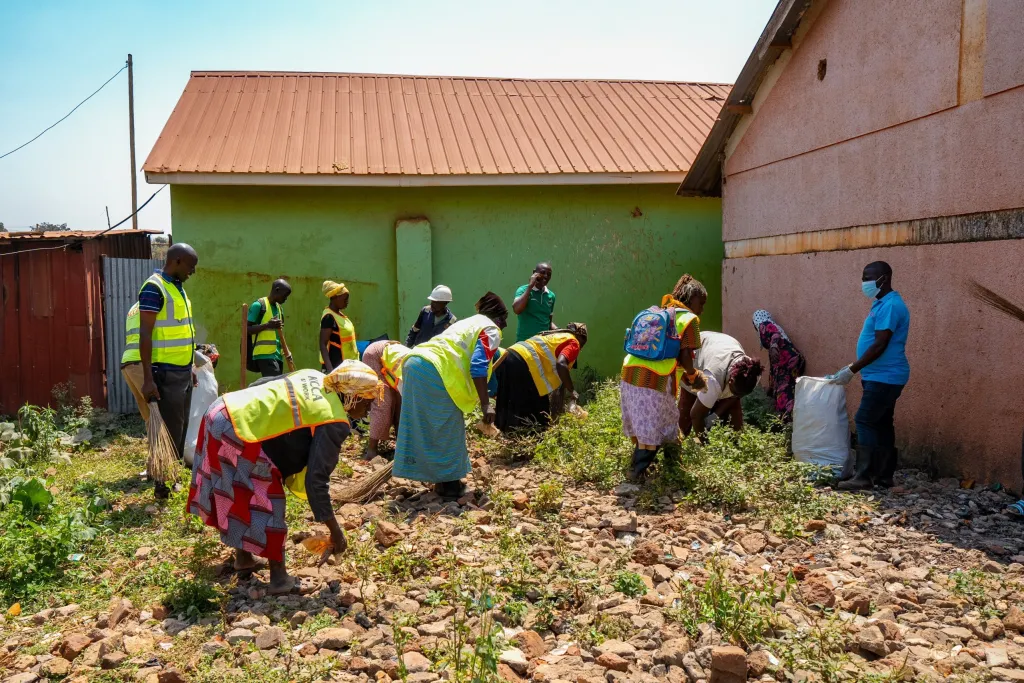
Alongside the new charges, KCCA has introduced a “Bring-to-Truck” system that requires residents to take their waste directly to designated collection trucks.
The system is intended to make waste collection more organised while discouraging residents from dumping rubbish along roadsides or at undesignated points.

The Authority is rolling out the measures as Kampala prepares for National Cleaning Day on August 29, but the stated goal extends beyond the one-day exercise.
KCCA says the waste collection changes are designed to improve cleanliness across the capital and establish more effective waste management practices that can continue after the national cleaning exercise.
With Kampala producing thousands of tonnes of waste every day, the new collection model places greater emphasis on how residents, businesses and institutions handle their garbage from the point of disposal to collection.
For residents, the immediate change is clear: waste must reach the designated collection trucks, while the amount paid will depend on whether the waste comes from an informal settlement, household, commercial premises or institution.