

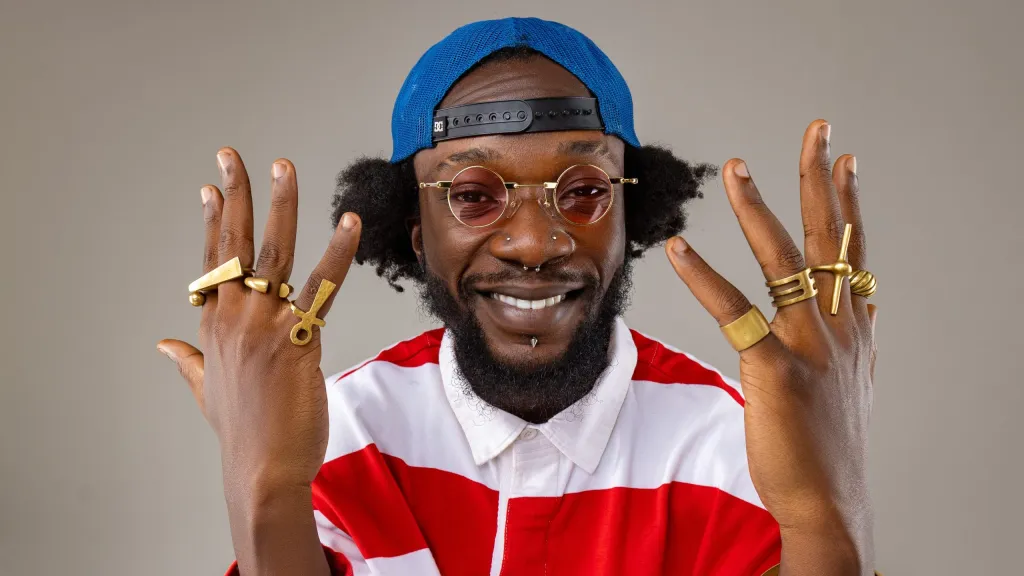
Ugandan singer and songwriter Elijah Kitaka has revealed that while he writes his own music, he does not sell his songs to other artists because of how personal the songwriting process is to him.
Kitaka, who has earned recognition for both singing and songwriting, explained that his music often draws from his own thoughts, memories and experiences. That personal connection is one reason he prefers to keep the songs he creates for himself.
“I like to make music when someone can listen to it with a kid, so I package it uniquely even though my mind speaks differently,” Kitaka said.

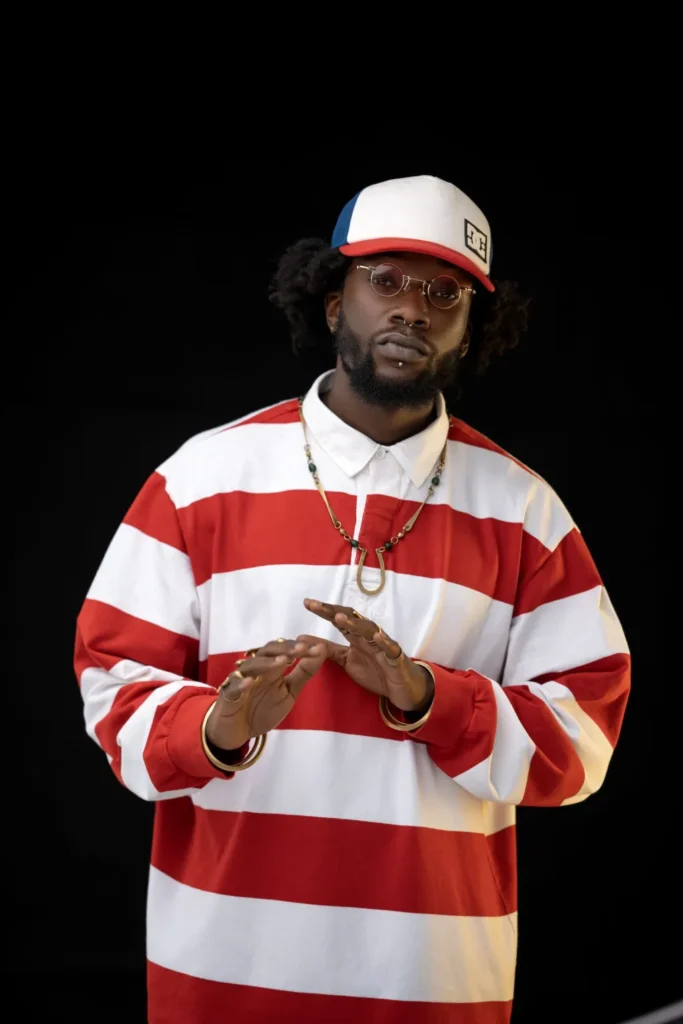
The singer added that it is difficult to single out one song as being more personal than the others because every track carries its own story.
“What song is more personal to me? I feel like all are personal because each song has its own moment,” he explained.
One example is Ekyange, which Kitaka said was not necessarily inspired by having a romantic partner at the time he created it.

Instead, he reached back to memories from his high school days, particularly trips where he and his classmates would spend time having fun with girls.
“I reminisced about that kind of vibe, the innocent us,” he explained.
While Kitaka is protective of the songs he creates for himself, that does not mean he is opposed to working with other songwriters.

The singer said he is willing to perform a song written by someone else because he believes artists cannot handle every aspect of their craft alone.
“Yes, I can accept to sing another writer’s work because you can’t do everything on your own. Sometimes you need someone else’s touch and hand,” he said.
Kitaka also drew a distinction between selling songs and writing specifically for another artist. He said he can create music for someone else when inspiration leads him there, but he does not approach songwriting as a business of selling his own songs.

“I can also write for another person but I don’t sell my songs. I just feel and write for someone,” he added.
For Kitaka, songwriting appears to be less about putting a price on a finished track and more about capturing a particular feeling, memory or moment. That approach explains why the songs he keeps remain closely connected to his own artistic identity.