


The third edition of Kampala Writes LitFest may have unfolded publicly at the Uganda National Cultural Centre, but some of the most industry-focused conversations continued away from the festival stage.
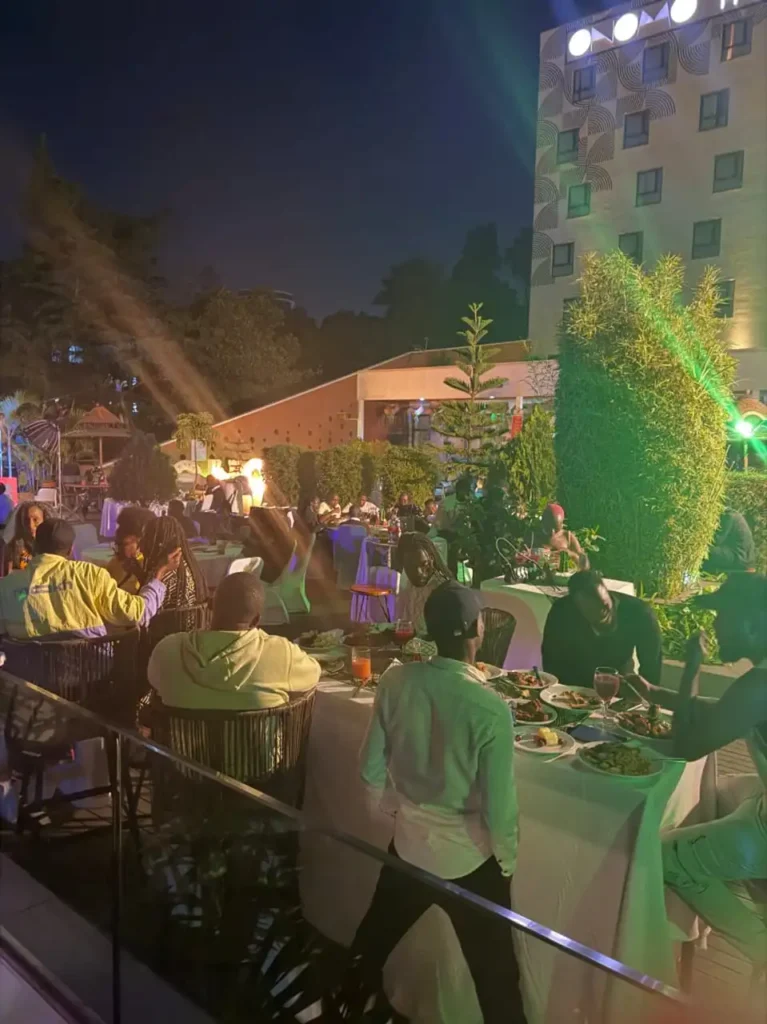
On Saturday evening, August 29, Nairobi-based publisher eKitabu brought together a select group of writers, editors and cultural leaders for a cocktail reception at Onomo Hotel on Nakasero Hill.
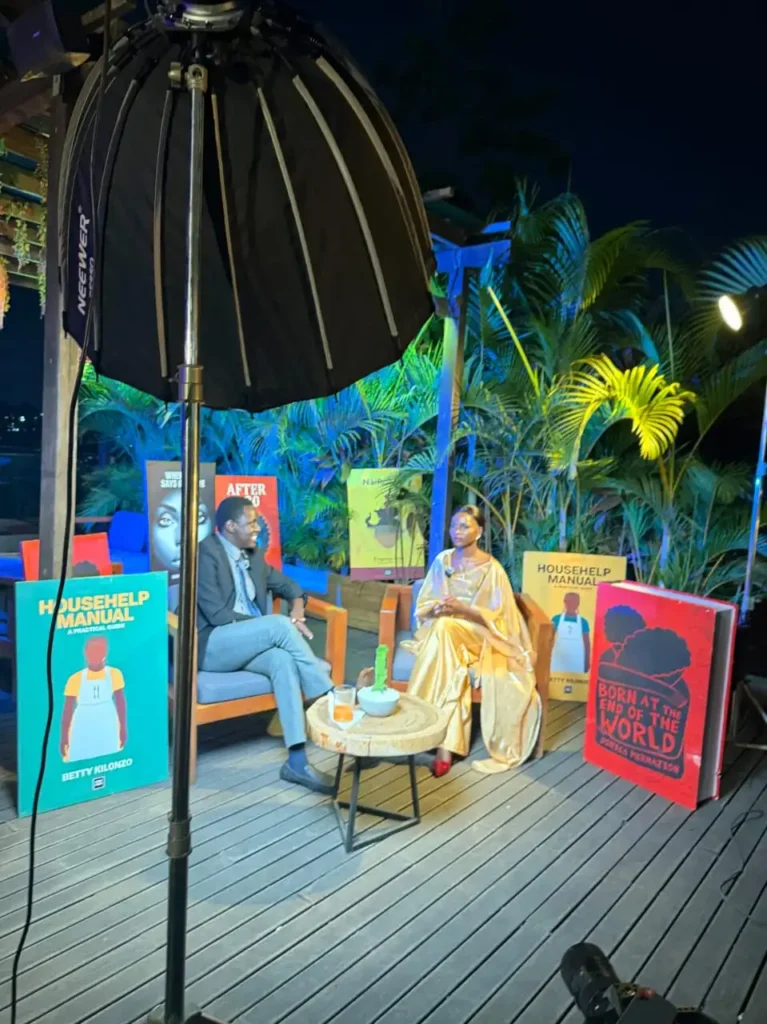
While the main festival attracted audiences for panels, book launches and workshops, the private gathering provided a more focused setting for conversations around the business of African publishing — from cross-border distribution to digital platforms and how writers can build sustainable careers.

Founded in 2024 by the Goethe-Zentrum Kampala/Uganda German Cultural Society, Kampala Writes LitFest has quickly grown into a major literary gathering in Uganda. The 2026 edition, curated by acclaimed author Goretti Kyomuhendo, carried the theme “Where Stories Begin: The Imaginary and the Art of Possibility.”
The three-day festival ran from August 28 to 30 and featured more than 50 continental speakers across 12 sessions, covering everything from writing craft and speculative fiction to audiobooks and cross-disciplinary storytelling.
Nigerian novelist Chika Unigwe served as the keynote guest, while sessions featuring writers including Dilman Dila, Mirrianne Mahn and Philisiwe Twijnstra explored science fiction and political imagination. A masterclass led by Ghanaian producer Ama Dadson also examined the expanding role of audio in African publishing.

The move from the National Theatre to Onomo also carried a piece of festival history. The inaugural 2024 edition of Kampala Writes LitFest was held at the same Nakasero hotel before the festival expanded to larger public venues in subsequent editions.
For eKitabu, the reception provided an opportunity to spotlight its expanding trade-publishing ecosystem. The Nairobi-based company, founded in 2012 by CEO Will Clurman, began with digital educational publishing and accessible formats before expanding into contemporary trade literature through imprints including Mvua Press and Maua Books.
Among the writers represented in the room was Eritrean-Ethiopian author Donica Merhazion, whose debut novel Born at the End of the World was co-published by Mvua Press and Catalyst Press in February 2026.

Kampala-born poet Tramaine Suubi, author of phases and stages, also brought an international publishing perspective, while author and editor Betty Kilonzo spoke about the transition from self-publishing to formal trade distribution across East Africa.
Unigwe used the gathering to emphasize the value of regional literary spaces where African writers can exchange ideas without depending entirely on Western literary gatekeeping.
Goethe-Zentrum Kampala Director Sheila Akwany, meanwhile, highlighted the festival’s broader institutional goal of creating lasting infrastructure for writer-to-writer networks in Uganda.

Behind the literary conversations was an even bigger industry question: how does African literature become commercially sustainable on the continent?
The publishing sector continues to face challenges around distribution, retail access and cross-border movement of books. eKitabu’s model combines digital publishing, rights licensing, audio production and physical distribution as it seeks to build a stronger commercial pathway for contemporary African trade titles.
As Kampala Writes LitFest 2026 closed its public program, the conversations at Onomo suggested that the future of African literature is not only about producing more stories. It is also about building the infrastructure needed to publish, distribute and sustain them on African terms.