

By Wamala Sipirian
Published: September 25, 2026
Tanzania has called for stronger action to reduce maternal, newborn and child deaths across Africa, urging countries to move beyond established policies and proven solutions and focus on delivering lifesaving healthcare consistently.
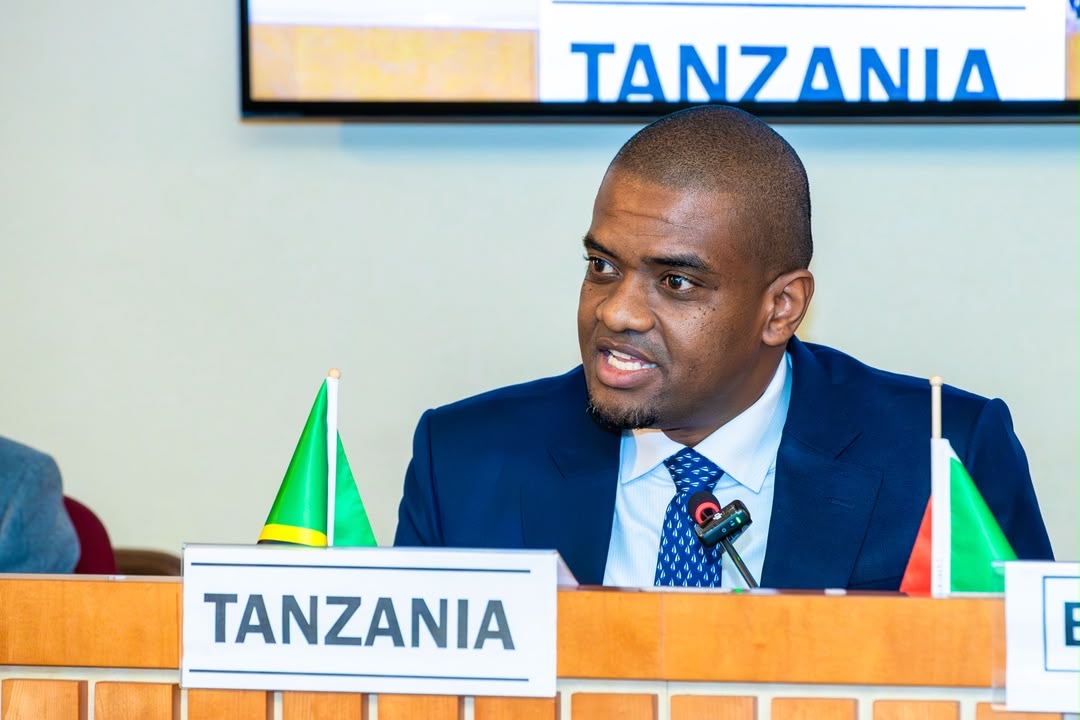
The call was made on the sidelines of the 81st United Nations General Assembly, where Tanzania’s Vice President, Deogratias Ndejembi, represented President Samia Suluhu Hassan at a high-level Heads of State side event on maternal and child survival.
President Samia is the African Union Champion for Maternal and Child Health.

Speaking on her behalf, Ndejembi said the survival of women, newborns and children remains a major test of Africa’s health systems and their ability to turn resources and knowledge into improved health outcomes.
Africa accounts for about 70 percent of maternal deaths globally and nearly two-thirds of deaths among children under five, according to figures cited at the meeting.
Tanzania Urges Action Beyond Health Policies
Ndejembi said the continent’s challenge is increasingly one of implementation rather than simply identifying effective solutions.
“The challenge is no longer simply knowing what works,”
he said, calling for proven interventions to be financed and delivered consistently, equitably and at scale.

He also argued that health sovereignty should be measured by more than a country’s ability to manufacture, procure or finance medical products.
According to Ndejembi, the more important measure is whether women, newborns and children can access appropriate care when they need it.
The discussion highlighted persistent gaps between national health policies and the services available to patients.
Dr Raji Tajudeen of the Africa Centres for Disease Control and Prevention said many maternal and child deaths remain preventable, but weaknesses in health systems continue to slow progress.
These challenges include shortages of skilled health workers and essential medical products, weak health information systems, inadequate financing, and gaps in leadership and coordination.

Tajudeen said many African countries already have policies, strategies and costed plans, but the information generated by health systems is not always translated into effective action.
Focus on the Three Zeros
The meeting also highlighted the Three Zeros agenda championed by President Samia.
The agenda focuses on:
- Zero unsafe deliveries and referrals without skilled care
- Zero preventable maternal and newborn deaths
- Zero-dose children
The initiative comes as African countries face pressure to accelerate progress towards the 2030 health targets.
WHO Director-General Dr Tedros Adhanom Ghebreyesus pointed to Tanzania’s progress, noting that the country recorded an 81 percent reduction in maternal mortality over a six-year period.

However, the discussions stressed that progress in maternal and child survival requires sustained investment rather than short-term interventions.
Participants called for stronger political leadership, improved use of health data, greater health-system capacity and sustainable financing.
For women and children seeking care, the issue ultimately comes down to whether health facilities have skilled health workers, essential medicines and supplies, timely referral systems and sufficient resources to respond when emergencies occur.
As African countries work towards 2030, the meeting’s central message was that existing knowledge and health strategies must be translated into sustained action that reaches women, newborns and children most at risk.