

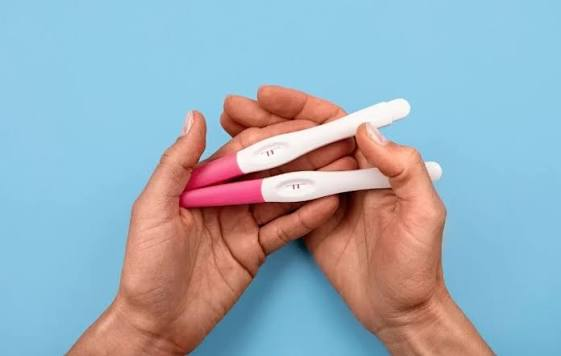
If you think you might be pregnant, the easiest way to check at home is with a commercial pregnancy test designed to detect human chorionic gonadotropin (hCG) in urine.
Several DIY pregnancy-testing methods have circulated for years, including using toothpaste, sugar, stored urine and bleach. However, these household methods are not scientifically validated ways to determine whether someone is pregnant.
Can You Test for Pregnancy at Home?
Yes. Home pregnancy tests are specifically designed to detect hCG, a hormone produced during pregnancy.
Most urine pregnancy tests are intended to be used after a missed period, although some sensitive tests can detect pregnancy earlier. Following the instructions supplied with the particular test is important because testing too early can produce a negative result even when pregnancy has occurred.

Using first-morning urine can also be helpful when testing early because it is generally more concentrated.
What About the Toothpaste Pregnancy Test?
The idea of mixing urine with toothpaste and looking for foaming, color changes or other reactions has circulated online as a DIY pregnancy test.
However, toothpaste is not designed to detect hCG. Changes in the mixture cannot reliably establish whether someone is pregnant.
A proper pregnancy test uses a chemical assay specifically designed to detect hCG.

Does Sugar Reveal Pregnancy?
Another popular home remedy involves adding urine to sugar and looking for clumping.
There is no reliable scientific basis for using whether sugar dissolves or clumps as an indication of pregnancy.
Sugar can behave differently depending on factors unrelated to pregnancy, so the result should not be treated as a pregnancy test.
What About Bleach?
Using bleach to test urine is particularly unsuitable.

A reaction between bleach and urine can produce irritating or potentially harmful fumes, depending on the substances present in the urine and the conditions of the reaction. There is also no reliable evidence that bubbling or foaming can diagnose pregnancy.
For that reason, mixing household bleach with urine is not a safe or dependable alternative to a pregnancy test.
Does Storing Urine for 24 Hours Work?
Another traditional claim suggests that leaving urine in a container for a period of time can reveal pregnancy through the formation of a layer or other visible change.
This is not a validated pregnancy test. Urine can change as it sits because of factors such as concentration, temperature and contamination, none of which provides a reliable pregnancy diagnosis.

What Should You Use Instead?
If you think you may be pregnant, use a commercially available home pregnancy test and follow its instructions carefully.
If the result is positive, a healthcare professional can help confirm the pregnancy and provide appropriate guidance about prenatal care.
If the result is negative but your period remains absent or you continue experiencing possible pregnancy symptoms, consider repeating the test according to the test manufacturer’s guidance or speaking with a healthcare professional.
A blood test performed by a healthcare provider can also detect pregnancy and may be appropriate in certain circumstances.
The Bottom Line
Household ingredients may make for popular DIY pregnancy-test videos and traditional remedies, but toothpaste, sugar, stored urine and bleach cannot reliably tell you whether you are pregnant.
A properly designed home pregnancy test is a much safer and more dependable option. When pregnancy is suspected, confirmation from a qualified healthcare professional is also important for appropriate care.