

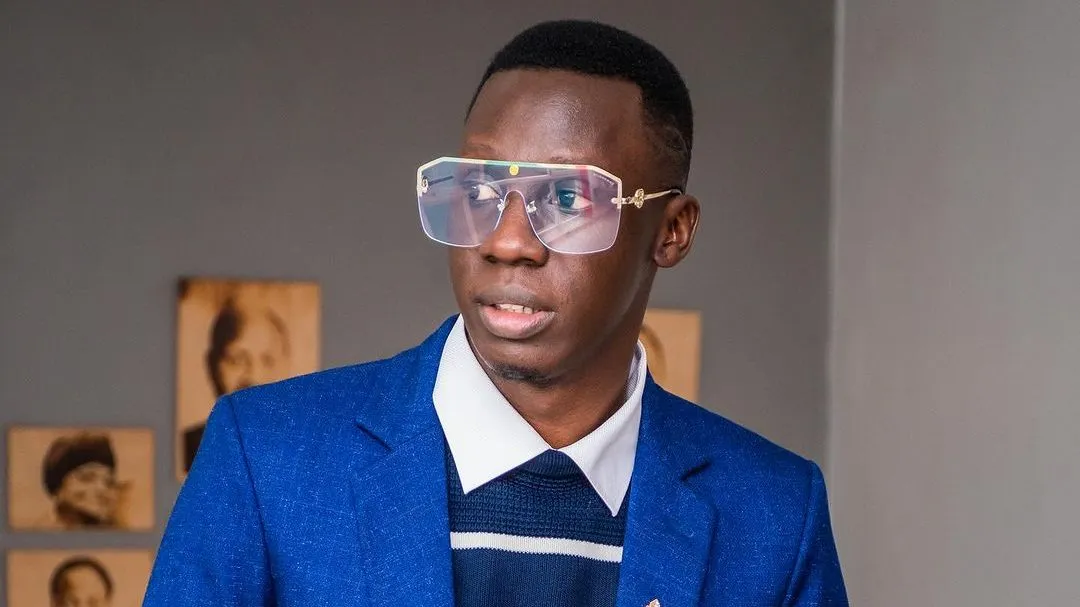
Ugandan media personality Douglas Lwanga believes musicians are losing some of their star power because social media, particularly TikTok, has made them too accessible to their audiences.
Speaking on a YouTube podcast, Lwanga argued that the constant online exposure has changed how fans relate to their favourite artists, potentially making them less excited about attending concerts to see them perform live.
According to Lwanga, musicians once enjoyed a level of exclusivity that made seeing them perform in person a special experience. However, with their content now readily available online, he believes the appeal of going out to watch them has diminished.


“They are everywhere now and they see them for free, so it’s not easy for someone to go and dress up and go attend a concert,” Lwanga said.
His argument centres on the changing relationship between musicians and their audiences in the age of social media. Platforms such as TikTok allow artists to share performances, promote music and interact with fans directly, but Lwanga believes that constant visibility can also make a concert feel less special.
The media personality also pointed to broader changes in Uganda’s music industry, saying the sector has experienced a significant decline and that making profits from live performances has become increasingly difficult for artists.

Rather than depending entirely on music, Lwanga encouraged entertainers to consider other businesses and income-generating opportunities within the creative sector.
“Let’s look for other businesses, maybe we do farming. We need to look at what else we can do in the creative industry that’s not the actual singing,” he said.

His remarks raise questions about how Ugandan musicians can balance the promotional benefits of social media with the need to maintain audience interest in live performances.

For many artists, online platforms offer a way to reach listeners without relying exclusively on traditional media or physical events. However, Lwanga’s argument suggests that digital visibility alone may not translate into ticket sales or sustainable concert revenue.
The comments also highlight the importance of financial diversification in an industry where earnings can depend on performances and other music-related activities.
While Lwanga did not provide figures to quantify the decline he described, his position is clear: musicians need to think beyond online visibility and singing if they want to build sustainable careers in an evolving entertainment business.

For Uganda’s artists, the challenge may be finding ways to turn constant online attention into a reason for fans to show up, buy tickets and experience their music in person.