

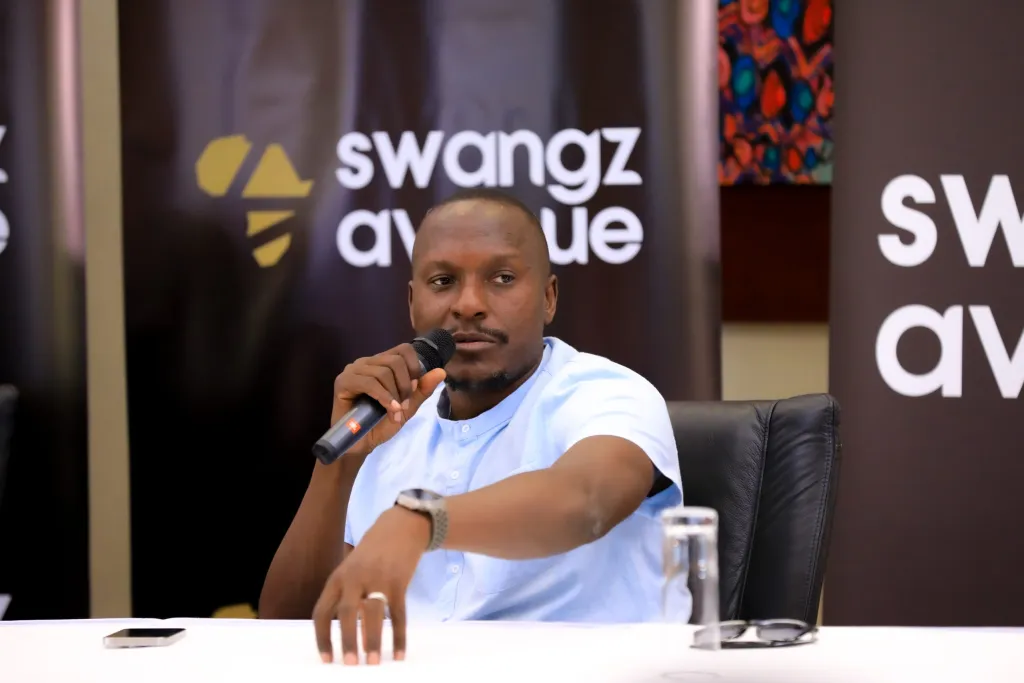
Swangz Avenue co-founder Julius Kyazze has criticised musicians who celebrated Uganda’s Copyright and Neighbouring Rights Amendment Law, arguing that the excitement overlooked a bigger problem: the failure to enforce copyright protections effectively.
Kyazze believes that while updating copyright legislation was necessary, the changes alone will not solve the challenges facing musicians and other rights holders. He also warned that certain provisions could make investing in music production and commercialisation less attractive.
Speaking about the reaction to the amendment, the music executive said some artists appeared to celebrate the changes without fully considering their potential implications for the industry.

“The noise was too much, people celebrating the wrong thing, but you couldn’t even come and say anything about it, otherwise people would think you’re hating,” Kyazze said.
His criticism centres on the distinction between passing a law and making it work in practice. According to Kyazze, Uganda already had copyright legislation, but enforcement remained a significant weakness.
He acknowledged that laws need periodic updates as industries and commercial conditions change. However, he argued that introducing amendments will have limited impact if the authorities responsible for implementing them do not enforce the provisions effectively.


“We had the copyright law, there were things that needed to be modified. Like any law, after a long time, things change, so we need to be updated. So there was a copyright law already, but it wasn’t enforced, and even the new one we have isn’t enforced,” he explained.
One of the issues Kyazze highlighted was the reduction in the period before royalties revert to their original owners, compared with the longer period under the previous law.
While the change was among the provisions that attracted attention from artists, Kyazze argued that its potential commercial consequences deserved closer examination.

The music executive warned that investors who finance recording, production and commercialisation need a reasonable opportunity to recover their investments. If the applicable rules increase the risk of failing to recoup those costs, he believes investors could reconsider putting money into music projects.
“One thing they didn’t realise is that that amendment alone makes their business unattractive. Why would I invest in a business where I know the risk of me not recouping is higher? There are other options. People will go and invest in farming,” he said.
His comments raise a broader question for Uganda’s music industry: how can copyright protections safeguard creators while maintaining incentives for the people and companies that finance their work?

Record labels, producers and other music investors can play a significant role in developing artists and bringing recordings to market. Changes to the commercial terms governing those investments can therefore affect how projects are financed and managed.
Kyazze’s position is not that copyright legislation should remain unchanged. Rather, he argues that meaningful reform must go beyond celebrating new legal provisions and address the practical challenges of implementation.
For Uganda’s musicians