

Light spotting after sex can be worrying, particularly when pregnancy is a possibility. Seeing a small amount of blood after penis-in-vagina intercourse may lead you to wonder whether it is an early pregnancy symptom or a sign that something else is happening.
Although spotting can occur in early pregnancy, it is not one of the most common explanations for bleeding immediately after sex. Vaginal dryness, friction, hormonal changes and infections are among the other possible causes.
Understanding when spotting happens, what other symptoms to look for and when to take a pregnancy test can help you decide what to do next.
Could spotting after sex be a sign of pregnancy?
Yes, light spotting can occur during early pregnancy, but bleeding after intercourse does not necessarily mean you are pregnant.
One possible explanation is implantation bleeding. This refers to light bleeding that some people experience around the time a fertilised egg attaches to the lining of the uterus.
Implantation generally occurs around six to 12 days after fertilisation. When bleeding happens during this period, it may appear pink or brown and is usually lighter than a normal menstrual period.
However, not everyone experiences implantation bleeding. It is also important to understand that spotting alone cannot confirm pregnancy. Bleeding that happens immediately after intercourse may have another explanation, including irritation or friction.

Other early pregnancy symptoms can include:
- A missed or unusually light period
- Breast tenderness or swelling
- Nausea, sometimes with vomiting
- Unusual tiredness or fatigue
- More frequent urination
These symptoms can also occur for reasons unrelated to pregnancy. A pregnancy test is the most reliable way to establish whether you are pregnant.
What else can cause spotting after vaginal sex?
Pregnancy is only one possible explanation for light bleeding after intercourse. Several other factors can cause vaginal spotting.
1. Friction and vaginal dryness
Insufficient lubrication can create friction during penetration, irritating the vaginal tissues and sometimes causing small tears that result in light bleeding.
Vaginal dryness may be associated with hormonal changes, certain medications, breastfeeding or menopause. Longer or more vigorous penetration can also increase irritation.
Using a suitable lubricant and allowing enough time for arousal may help reduce friction. However, repeated bleeding should not automatically be attributed to dryness.
2. Hormonal changes
Fluctuations in hormone levels can cause spotting between menstrual periods. Stress, changes in body weight and hormonal contraception may contribute to changes in menstrual bleeding patterns.

Some people experience irregular spotting when starting, stopping or changing hormonal birth control.
Although hormone-related spotting may resolve without treatment, persistent or unexplained bleeding deserves medical attention.
3. Sexually transmitted and other infections
Certain sexually transmitted infections (STIs), including chlamydia and gonorrhoea, can cause inflammation of the cervix and bleeding after intercourse.
Other infections and conditions, including pelvic inflammatory disease, may also be associated with abnormal bleeding.
Possible accompanying symptoms include:
- Pain during sex
- Unusual vaginal discharge
- Burning or discomfort when urinating
- Lower abdominal or pelvic pain
- Bleeding between periods
Some infections cause few or no noticeable symptoms. If you think you may have an infection, seek medical advice and ask about appropriate testing.
4. Cervical or uterine polyps
Polyps are growths that can develop on the cervix or inside the uterus. Cervical polyps may bleed when touched during intercourse because their tissue can be sensitive.

Uterine polyps can also contribute to irregular bleeding.
Many polyps are noncancerous, but a healthcare professional may recommend an examination or further testing when bleeding is persistent.
5. Uterine fibroids
Fibroids are noncancerous growths that develop in or around the uterus. Depending on their size and location, they may contribute to heavy periods, irregular bleeding or pelvic discomfort.
They are not necessarily the cause of bleeding after sex, but they may be considered when someone has recurring abnormal bleeding or other symptoms.
When should you take a pregnancy test?
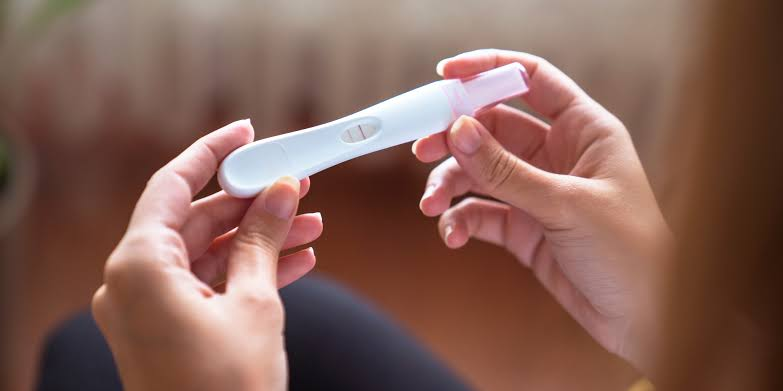
If pregnancy is possible, taking a home pregnancy test can help you establish whether you are pregnant.
Most home pregnancy tests detect human chorionic gonadotropin (hCG), a hormone produced during pregnancy.
For the most useful result, consider the timing of your menstrual cycle:

- On the first day of a missed period: Many home pregnancy tests can detect pregnancy from this point.
- About a week after a missed period: Waiting longer may improve the chance of detecting pregnancy if hCG levels were initially too low.
- If your periods are irregular: A useful guideline is to test at least 21 days after the last unprotected penis-in-vagina sex.
Follow the instructions supplied with the test. Testing too early can produce a negative result even when pregnancy has occurred.
If your first test is negative but your period still does not arrive, consider repeating the test after a few days or speaking with a healthcare professional.
When should you see a doctor?
Occasional light spotting may not indicate a serious problem. However, bleeding after sex should not be ignored when it becomes persistent, recurrent or is accompanied by other symptoms.
Consider seeking medical attention if:
- Bleeding happens repeatedly after intercourse.
- Spotting continues for more than a few days.
- You experience pain during sex or persistent pelvic discomfort.
- You notice unusual vaginal discharge or a change in odour.
- You have symptoms that could indicate an STI.
- You have a positive pregnancy test and experience vaginal bleeding.
Seek urgent medical care if you experience heavy bleeding, severe abdominal or pelvic pain, dizziness or fainting. If pregnancy is possible, bleeding accompanied by one-sided pelvic pain, shoulder-tip pain or faintness needs urgent assessment because these can be warning signs of an ectopic pregnancy.
A healthcare professional may recommend a pelvic examination, STI testing, cervical screening where appropriate or an ultrasound to investigate the cause.
The takeaway
Light spotting after sex does not automatically mean you are pregnant. Although some people experience light bleeding around implantation, friction, vaginal dryness, hormonal changes, infections and cervical or uterine conditions are also possible explanations.
If your period is late or pregnancy is possible, take a home pregnancy test at the appropriate time. If the bleeding continues, happens repeatedly or comes with pain or unusual symptoms, seek medical advice rather than assuming it is harmless.
Paying attention to your menstrual cycle, symptoms and the timing of the bleeding can help you have a more informed conversation with a healthcare professional.