

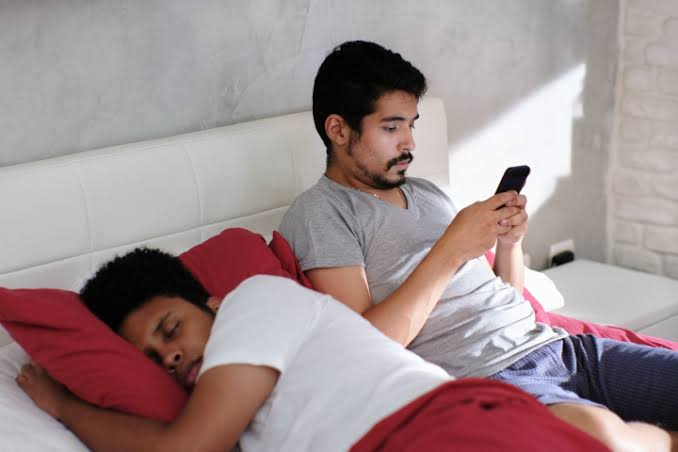
Pornography is a common part of many adults’ sexual lives, but opinions about watching it can differ considerably. Some people see it as a way to explore sexual interests, understand their preferences or enhance intimacy. Others worry about its influence on expectations, relationships and personal well-being.
The effects of pornography are not necessarily the same for everyone. They can depend on the material being viewed, how frequently someone watches it, their personal attitudes and whether its use creates problems in their daily life or relationships.
Watching pornography is not automatically harmful. However, concerns can arise when it involves exploitative or non-consensual material, unrealistic portrayals of sex, secrecy or behaviour that interferes with important responsibilities.
Understanding both the potential benefits and risks can help individuals and couples make informed decisions about pornography.
What Counts as Pornography?
Pornography generally refers to sexually explicit material created primarily to produce sexual arousal. It can include videos, photographs, written stories, magazines and other forms of media.
However, the definition is not always straightforward. What one person considers pornography, another might describe as erotica or sexually suggestive entertainment.
Written sexual content, for example, can range from romantic stories that focus on intimacy and sensuality to explicit descriptions of sexual activity.
Online platforms have also made sexually explicit material much easier to access. This has created a wide range of content, including material that explores different sexual interests and identities, as well as content that may portray unhealthy, violent or exploitative behaviour.
An important distinction is that consensual adult pornography is not the same as material involving abuse, exploitation or anyone underage. Ethical considerations should include the age, consent, safety and treatment of everyone involved in its production.
Potential Benefits of Watching Porn
For some adults, pornography can be part of their sexual exploration. Its effects may depend partly on how they view and use it.
1. It Can Encourage Sexual Exploration
Pornography may introduce people to different sexual interests, preferences and forms of intimacy.
For individuals who are still learning about their sexuality, some material may provide an opportunity to reflect on what they find appealing. It can also encourage people to think more openly about their own preferences and boundaries.
However, pornography should not be treated as a reliable source of sexual education. Its portrayals are often produced for entertainment and may not accurately represent communication, consent, contraception or everyday sexual experiences.
2. It May Support Sexual Self-Awareness
Some people use pornography while masturbating. Masturbation can provide an opportunity to become more familiar with one’s body, sexual responses and personal preferences.
It may also help some individuals relax or manage stress.
Pornography is not necessary for masturbation, however, and people can explore their sexuality without watching explicit material.

3. It Can Offer Representation for Different Sexual Identities
Pornography may provide some LGBTQ+ adults with material that reflects sexual identities and experiences that are not always represented in mainstream entertainment.
Representation can matter when people are exploring their identities or looking for content that feels more relevant to their experiences.
The quality of that representation is important. Content should not rely on stereotypes or reduce different identities to narrow sexual portrayals.
4. Some Couples Find It Enhances Intimacy
Some couples choose to watch pornography together as part of their shared sexual experiences.
For partners who are both comfortable with it, this may create opportunities to discuss preferences, fantasies and boundaries. It can also introduce conversations about what each person enjoys or would rather avoid.
The supplied research describes an association between watching pornography together and reports of better relationship quality, communication, sexual satisfaction and commitment compared with watching it alone.
That finding does not establish that watching pornography together causes stronger relationships. Couples who already communicate openly and share positive attitudes toward pornography may also be more likely to view it together.
Potential Risks of Watching Porn
Although some people report positive experiences, pornography can also influence sexual expectations and attitudes. The risks may be greater when content presents harmful behaviour as normal or when viewing becomes difficult to control.
1. Unrealistic Expectations About Sex
Pornography is generally produced for entertainment rather than as a realistic depiction of sexual relationships.
It may present idealised body types, exaggerated performances or encounters that leave out communication, emotional connection and ordinary relationship dynamics.
When viewers treat these portrayals as a standard for real-life sex, they may develop unrealistic expectations about their own bodies or their partners.
This can contribute to insecurity, dissatisfaction or pressure to perform in ways that do not reflect personal preferences.
2. Exposure to Harmful Sexual Messages
Not all sexually explicit material presents healthy or consensual behaviour.
Some content may portray violence, sexism, unsafe sexual practices or degrading treatment. Repeated exposure to such material may influence attitudes, particularly among younger viewers who are still developing their understanding of relationships and sexuality.
It is important to distinguish between fictional depictions and real-life expectations. Consent, respect and safety remain essential regardless of what someone watches.
3. Possible Changes in Sexual Responses
Some research has examined whether frequent pornography use is associated with changes in sexual responsiveness.

The supplied source discusses findings involving men who watched pornography more frequently and showed lower activity in certain brain areas associated with sexual stimulation.
However, this does not establish that pornography caused those differences. It is also possible that people who already experience lower sexual responsiveness are more likely to use pornography.
More research is needed before drawing firm conclusions about cause and effect.
4. Compulsive or Difficult-to-Control Viewing
For some individuals, pornography use can become difficult to manage.
Someone may repeatedly watch it despite wanting to reduce their use or despite experiencing negative consequences in their relationships, work or everyday responsibilities.
The amount of time spent watching is not the only consideration. A more important question is whether the behaviour feels difficult to control and continues to cause problems.
When Does Porn Use Become a Problem?
Watching pornography regularly does not automatically mean someone has an unhealthy relationship with it.
Concern becomes more relevant when viewing begins to interfere with daily life, emotional well-being or relationships.
Possible warning signs include:
- Repeatedly trying to stop or reduce pornography use without success.
- Spending increasing amounts of time watching explicit material.
- Neglecting work, family, social activities or other responsibilities.
- Hiding or lying about pornography use.
- Feeling anxious, irritable or distressed when unable to access it.
- Continuing to watch despite relationship conflict or other negative consequences.
- Dismissing a partner’s feelings or refusing to discuss the issue.
- Losing sleep because of time spent viewing pornography.
These signs do not establish a diagnosis on their own. They may, however, indicate that it is worth examining the role pornography plays in someone’s life.
The term “porn addiction” is widely used in everyday conversation, but pornography addiction is not a formally recognised standalone mental health diagnosis. A qualified professional can help assess whether a person is experiencing compulsive sexual behaviour or another concern that needs attention.
How Pornography Can Affect a Marriage
Pornography does not have the same meaning for every couple.
Some partners are comfortable with it, while others consider it inconsistent with their relationship expectations. For some, watching pornography together is acceptable, but watching it privately may feel hurtful. Others may regard any pornography use as a breach of trust.
These differences can create conflict when couples have not discussed their expectations.
Different Views About Pornography
One partner may see pornography as private entertainment, while the other may interpret it as a form of betrayal or disrespect.
Neither partner should assume that the other automatically shares their position.

Problems can become more difficult when one person feels judged for their preferences or when the other feels their boundaries are being ignored.
Secrecy and Loss of Trust
Hiding pornography use can damage trust, especially when partners have previously agreed on boundaries.
The conflict may be less about the material itself and more about dishonesty, broken agreements or a lack of consideration for the other person’s feelings.
Reduced Relationship Intimacy
Pornography may become a source of concern when it consistently replaces shared intimacy or contributes to unrealistic expectations about a partner’s sexual behaviour.
However, a relationship should not be judged by pornography use alone. Couples should consider the broader pattern of communication, affection, sexual satisfaction and mutual respect.
How to Talk to Your Partner About Pornography
Discussing pornography can feel uncomfortable, particularly when partners have different beliefs about sex or privacy. Still, avoiding the conversation may allow misunderstandings to grow.
A respectful discussion can help both people understand what the issue means to them.
1. Choose a Calm Time to Talk
Avoid starting the conversation during an argument or immediately after discovering something upsetting.
Choose a private moment when both partners have time to listen and respond without feeling pressured.
2. Avoid Blame and Accusations
Beginning with accusations can make a partner defensive.
Instead of making assumptions about their motivations, explain what you have noticed and how it has affected you.
For example, you might say that secrecy makes you feel less secure or that certain types of pornography conflict with your understanding of intimacy.
3. Listen to Each Other’s Perspectives
Ask your partner how they view pornography and what role it plays in their life.
They may see it as occasional entertainment, a way to explore sexual interests or simply a habit. Understanding their perspective does not mean you must agree with it.
Both partners should have an opportunity to explain their feelings.
4. Discuss Relationship Boundaries
Couples should be clear about what they consider acceptable.

This may include whether pornography can be watched, whether it is something they are comfortable viewing together and what expectations they have about honesty and privacy.
Boundaries should be discussed openly rather than assumed.
5. Consider Professional Support
If pornography use is causing repeated conflict, secrecy or distress, a couples counsellor or qualified sex therapist may help.
Individual therapy may also be useful when someone feels unable to control their viewing habits or wants to understand why the behaviour has become difficult to manage.
Is Watching Porn Together Healthy for Couples?
Watching pornography together can be acceptable for couples who both genuinely want to participate.
It may create an opportunity to discuss sexual interests and preferences, but it is not a requirement for a healthy relationship.
The important factors are mutual agreement, comfort and respect.
Neither partner should feel pressured to watch explicit material or participate in sexual activities because of something they have seen. Consent must remain voluntary and can be withdrawn at any time.
Couples who disagree about pornography do not necessarily have an unhealthy relationship. What matters is whether they can discuss their differences honestly and make decisions that respect both partners.
Frequently Asked Questions
Is watching porn bad for your mental health?
Not necessarily. The effects can vary between individuals. Some people do not experience significant problems, while others may experience distress, relationship conflict or difficulty controlling their viewing habits. The impact on everyday functioning is an important consideration.
Can watching porn affect a relationship?
It can, particularly when partners disagree about its use or when secrecy, broken agreements or compulsive viewing undermine trust and intimacy. Some couples, however, are comfortable watching it together.
Is watching porn every day unhealthy?
Frequency alone does not determine whether pornography use is harmful. More important considerations include whether someone feels in control, whether it interferes with responsibilities and whether it causes personal or relationship problems.
Should couples watch porn together?
Only if both partners are comfortable with the idea. Watching together may encourage conversations about preferences, but neither person should feel pressured to participate.
Is porn addiction a recognised mental health condition?
“Porn addiction” is not a formally recognised standalone diagnosis. Nevertheless, persistent difficulty controlling pornography use and continuing despite serious negative consequences can be reasons to seek professional assessment.
The Bottom Line
Watching pornography is not automatically harmful, but its effects depend on the individual, the material and the circumstances in which it is used.
For some adults, it may be part of sexual exploration or a shared experience with a partner. For others, it can contribute to unrealistic expectations, relationship disagreements or behaviour that becomes difficult to control.
The most important considerations are consent, ethical content, personal well-being and honest communication. In relationships, partners do not have to share identical views about pornography, but they should be able to discuss their expectations and respect each other’s boundaries.