

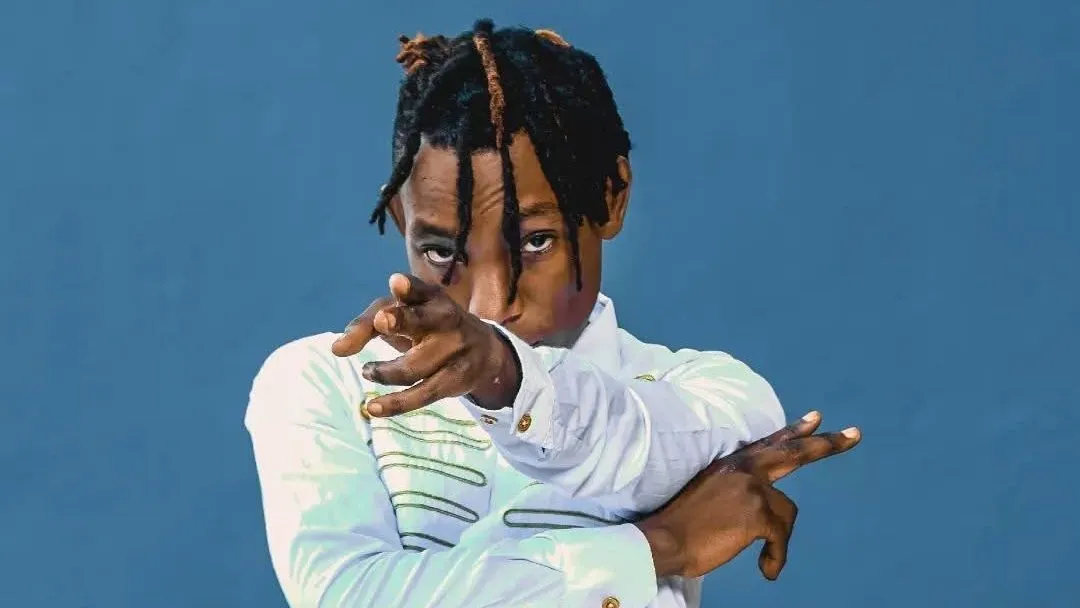
Ugandan singer and songwriter Fyno, real name Joseph Ssuuna, has made serious allegations about the country’s music industry, claiming that three powerful cults influence how the business operates and how artists navigate their careers.
Speaking during an appearance on Galaxy TV’s The Deep Talk, Fyno alleged that the groups comprise influential musicians who work together and can make life difficult for artists who challenge them.
Although he did not identify the alleged groups or name any musicians, Fyno described their influence as one of the major challenges facing artists in Uganda.

“Cults is one of the major challenges artists are facing. I know about 3 cults amongst Ugandan artists currently. They are united and control how the industry works,” he said.
Fyno further claimed that artists who oppose these groups face consequences that go beyond ordinary professional disagreements.
“If you ever challenge them, you must fight hard against them spiritually,” he added.

The singer went on to make even more alarming claims about the alleged groups’ power, suggesting that they could affect the mental well-being and behaviour of other artists and, in extreme cases, cause death.
“They consist of some of the best artists in the country and they are very determined. They can make mentally sick, turn you into a very violent person, or kill you,” Fyno alleged.
However, Fyno did not provide names, specific incidents or evidence to substantiate the claims during the interview. His statements therefore remain allegations rather than established facts about Uganda’s music industry.

His comments have also revived an ongoing conversation about claims of cult-related practices and spiritual influence within the local entertainment scene.
Other Ugandan entertainers have previously made similar allegations. Singer Kalifah AgaNaga, for instance, was reported to have spoken about alleged witchcraft practices among some artists in Makindye. Sama Sojah has also been mentioned in discussions surrounding such claims.
Despite the recurring claims, the identities of the groups Fyno referred to remain unclear. He did not explain how they allegedly operate, identify their members or provide details of specific artists who may have been affected.

His interview has nevertheless placed the subject back in the spotlight, raising questions about the extent to which influence, professional networks and alleged spiritual practices shape relationships within Uganda’s entertainment industry.