

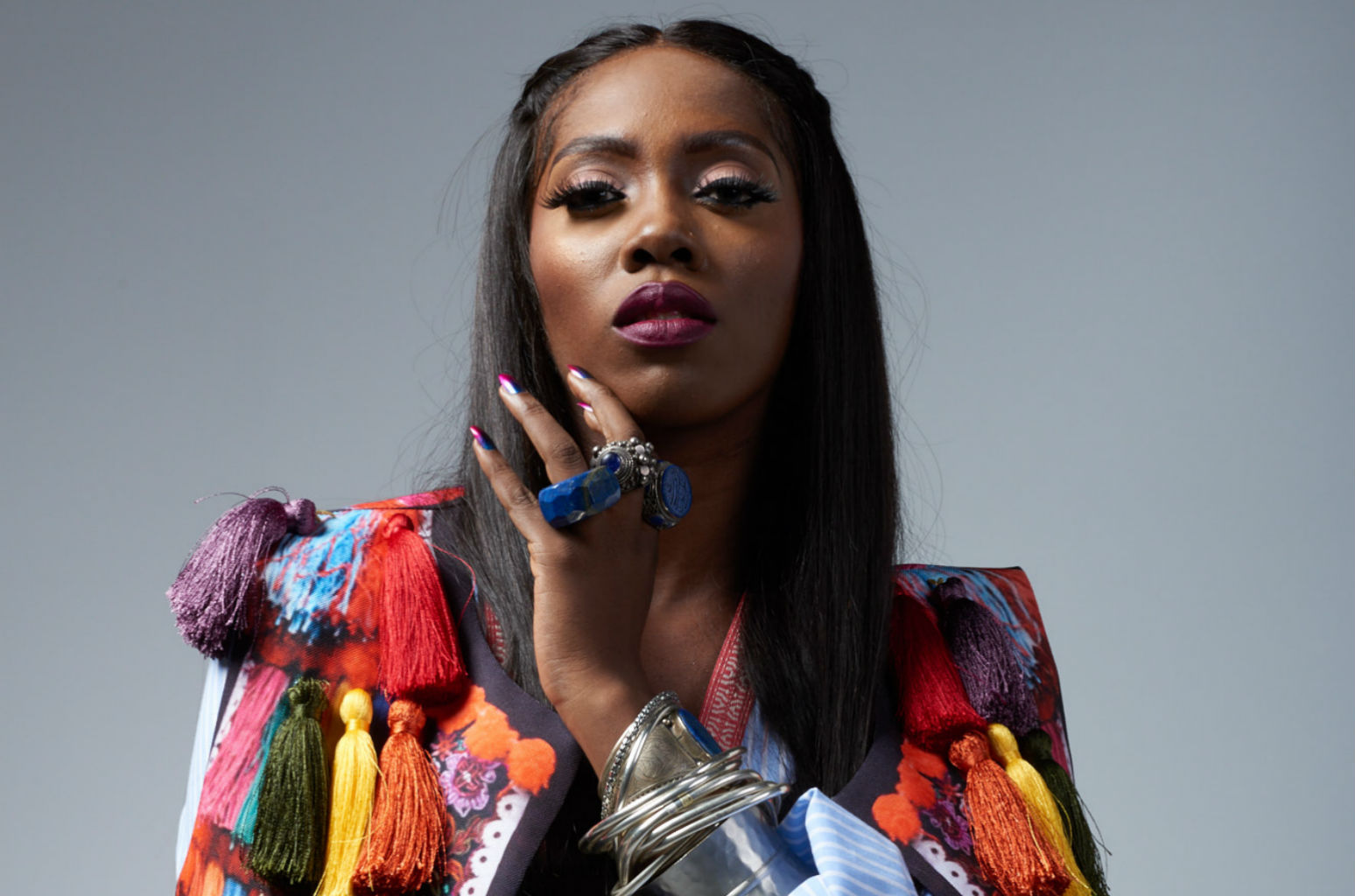
Nigerian Afrobeats star Tiwa Savage has revisited the challenges she faced while establishing her music career in Nigeria, claiming that her fashion choices and tattoos led to restrictions across the entertainment industry.
During a recent interview with streamer Ten Posty, the singer said she was banned from performing at shows, while radio stations and Nigerian television networks also restricted her music.

Savage traced the controversy to the period after she returned from Los Angeles to pursue her music career in Nigeria. According to her, her appearance became a major source of criticism, particularly her preference for outfits such as hot pants and tank tops, alongside her visible tattoos.
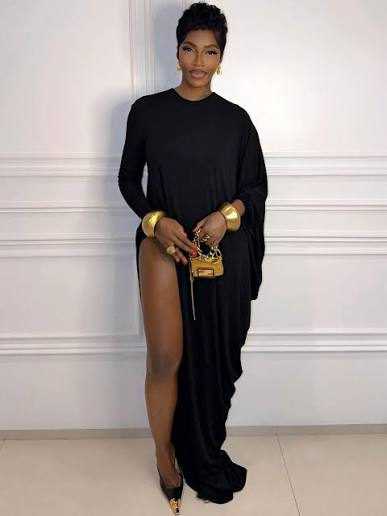
The singer said the restrictions affected her opportunities to perform and limited the television exposure her music videos could receive.
She described the treatment as unfair, arguing that she was made an example of at a time when her style was considered controversial.
“I was banned from shows, radio and my music videos were banned on Nigerian TV for wearing hot pants, tank tops and having tattoos after returning from LA to make music. I was used as a scapegoat,” Savage said.

She also pointed to what she sees as a shift in how female artistes are received in the Nigerian music industry.
According to the singer, newer female performers can now wear similar outfits without attracting the same level of backlash she experienced during her early years.

“Now, when new female artistes do it, it’s considered normal,” she added.
Her comments highlight what she believes was a difference in how female musicians were judged for their appearance at different stages of the industry’s evolution.
Savage has previously spoken about the pressures and expectations surrounding women in entertainment, particularly the scrutiny that comes with fashion, image and public presentation.
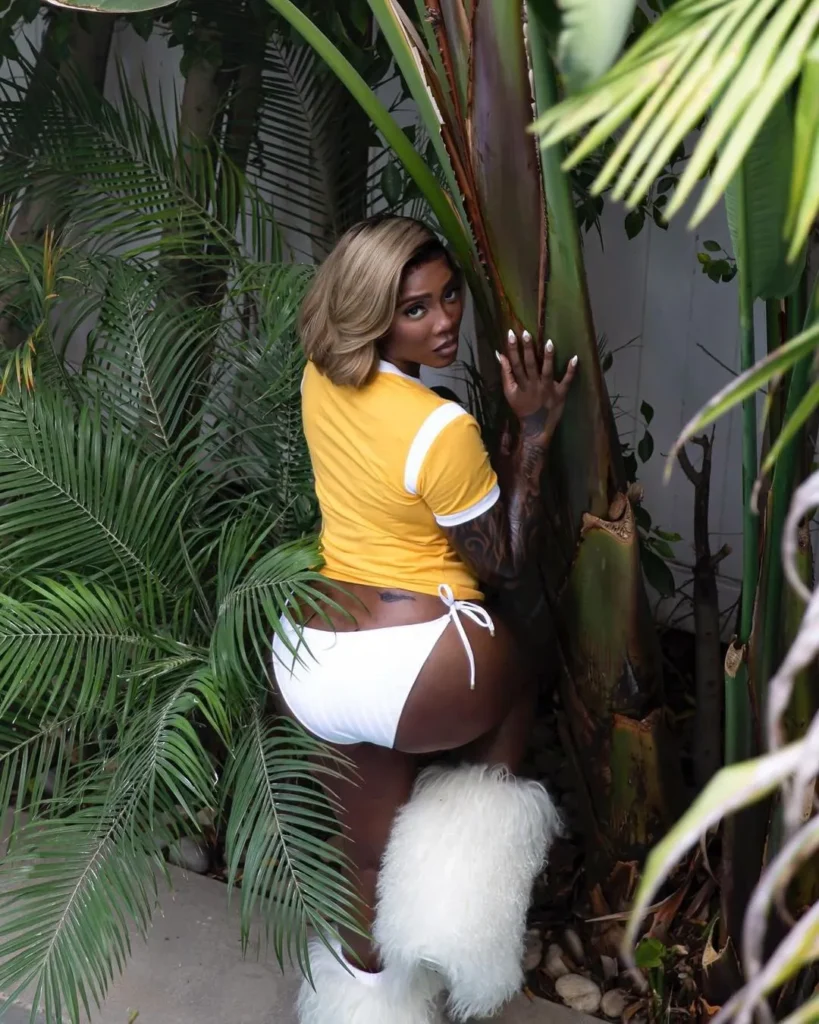
This time, however, she focused on the professional consequences she says followed the criticism, recalling how restrictions on performances and music broadcasts affected her efforts to establish herself in the Nigerian market.
Her account adds another perspective to the ongoing conversation about the expectations placed on female artistes and how standards around fashion and self-expression have changed within the Nigerian entertainment industry.