


For more than two decades, Bebe Cool, Jose Chameleone and Bobi Wine have been widely regarded as Uganda’s musical Big Three. The trio built enormous fan bases, shaped the country’s entertainment culture and influenced generations of artists who followed.
But Uganda’s music landscape has changed.
Bebe Cool remains active in music, Jose Chameleone continues to release music and perform, while Bobi Wine has devoted much of his attention to politics. His political career has taken him beyond Uganda, fundamentally changing the role he plays in the country’s entertainment conversation.
The old rivalry also became bigger than music. Fans often identified with one of the three camps, with the long-running tension between Bobi Wine and Bebe Cool producing some of Uganda’s most talked-about entertainment debates.
Bobi Wine’s move into politics changed that equation. Many of his former music fans were suddenly navigating two different versions of the artist — the musician they had supported for years and the political figure he had become.
Now, a different question is taking shape: Who are Uganda’s new Big Three?
There is no official formula for determining the answer, but the strongest candidates are artists who emerged largely between 2010 and 2018, maintained relevance over time, built substantial catalogues and achieved significant commercial or cultural influence.
And several names immediately stand out.

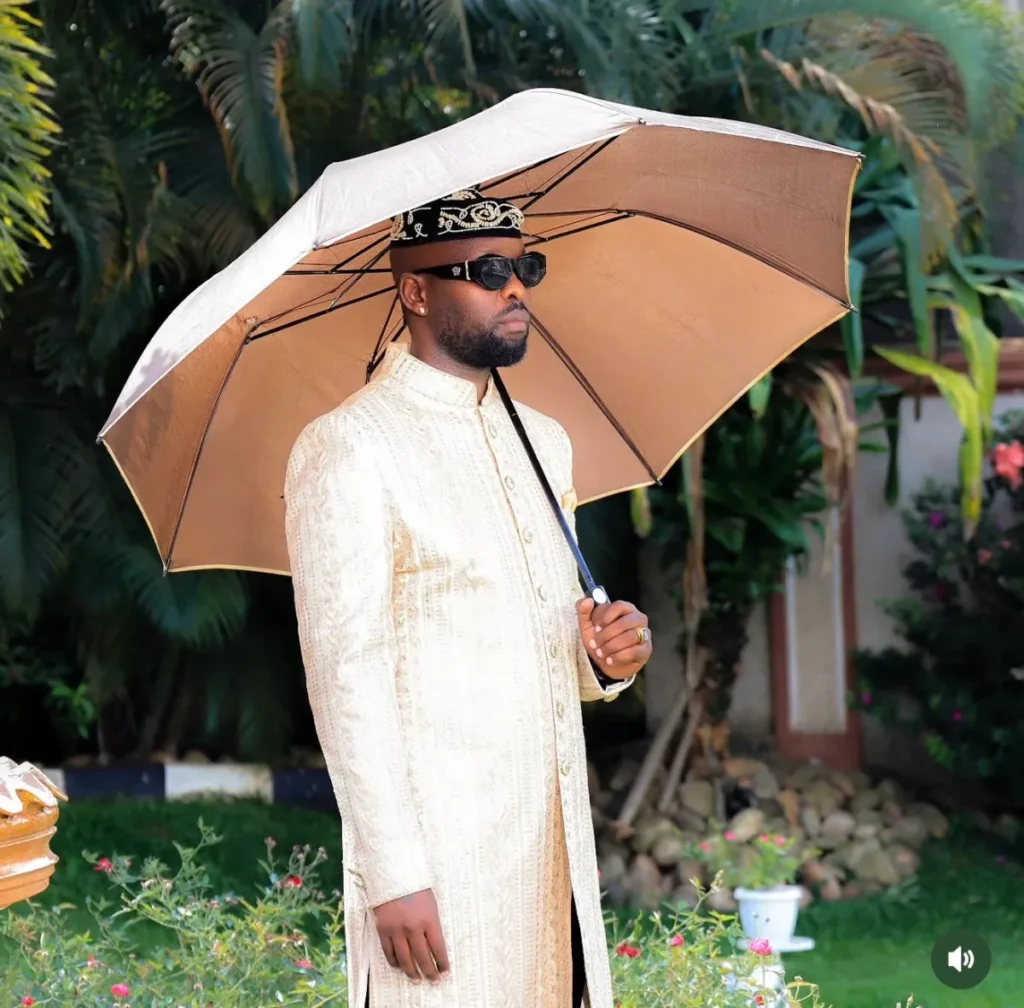
Eddy Kenzo has the international résumé
Eddy Kenzo has arguably built the strongest international career among Uganda’s newer generation of musicians.
After emerging from the Firebase camp and collaborating with artists including Mikie Wine on “Yanimba,” Kenzo developed his own identity and steadily expanded his audience beyond Uganda.
His résumé includes a BET Award, Grammy nominations and other international recognition, alongside performances in different countries.
That global reach gives Kenzo one of the clearest arguments for a place in Uganda’s new Big Three. Few artists from his generation have pushed Ugandan music across international borders with comparable consistency.
King Saha’s local power is undeniable
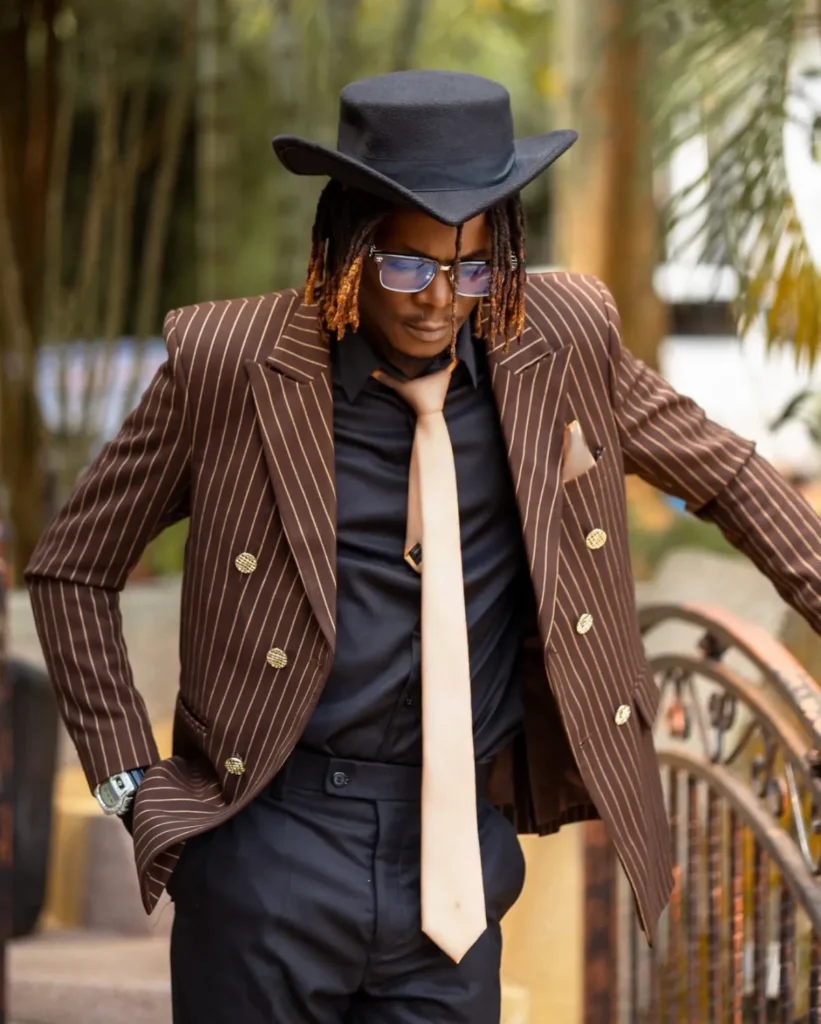
King Saha has taken a different route.
The singer started under Jose Chameleone’s Leone Island camp before establishing himself as one of Uganda’s prominent voices in love and Afro-pop music.
For years, Saha was respected as a talented artist without necessarily being placed in the same superstar category as the old Big Three. That conversation has changed, particularly as his popularity has grown and his public association with Bobi Wine and the National Unity Platform has become more visible.
His recently concluded Kololo Festival concert provided another major talking point. The huge turnout strengthened the argument that Saha has become one of Uganda’s biggest musical forces.

Sheebah changed the conversation for female artists
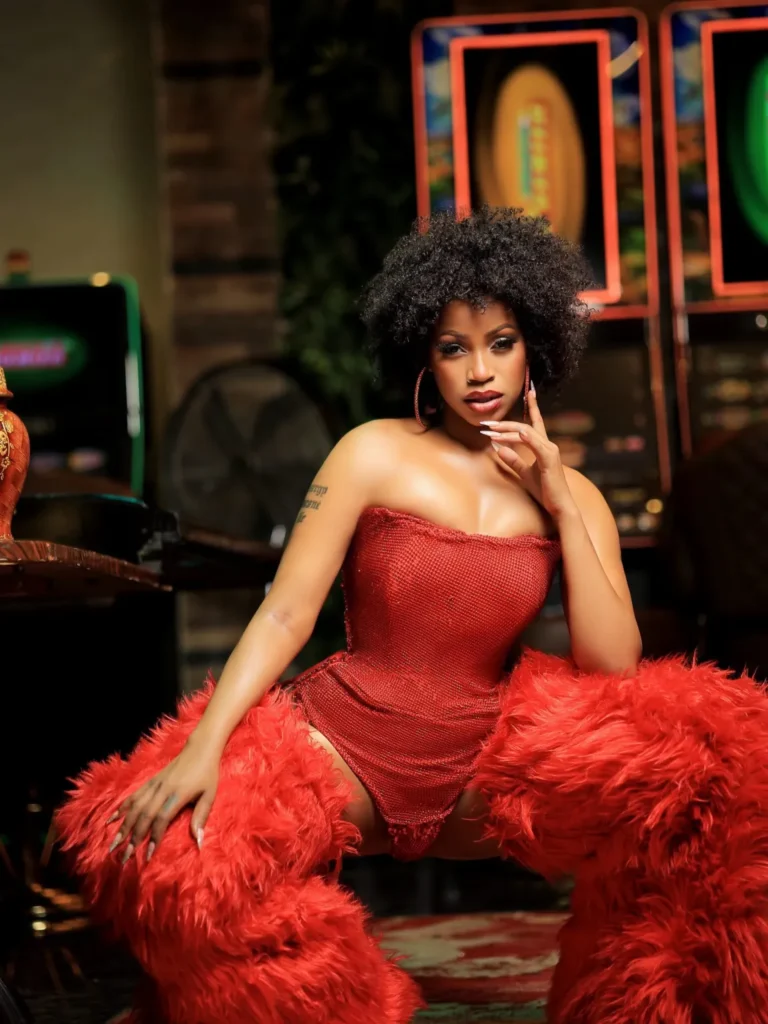
Then there is Sheebah Karungi.
For close to a decade, Sheebah has remained one of Uganda’s most consistent and commercially successful female musicians. Her journey from Team No Sleep to a successful solo career has produced a catalogue of hits, a loyal fan base and a reputation for commanding the stage.
Her longevity is particularly significant in an industry where male artists have traditionally dominated conversations about musical supremacy.
Cindy Sanyu also has a strong case, but Sheebah’s consistency, popularity and influence over the past decade make her one of the most difficult names to exclude from the debate.
Radio & Weasel helped build the next generation
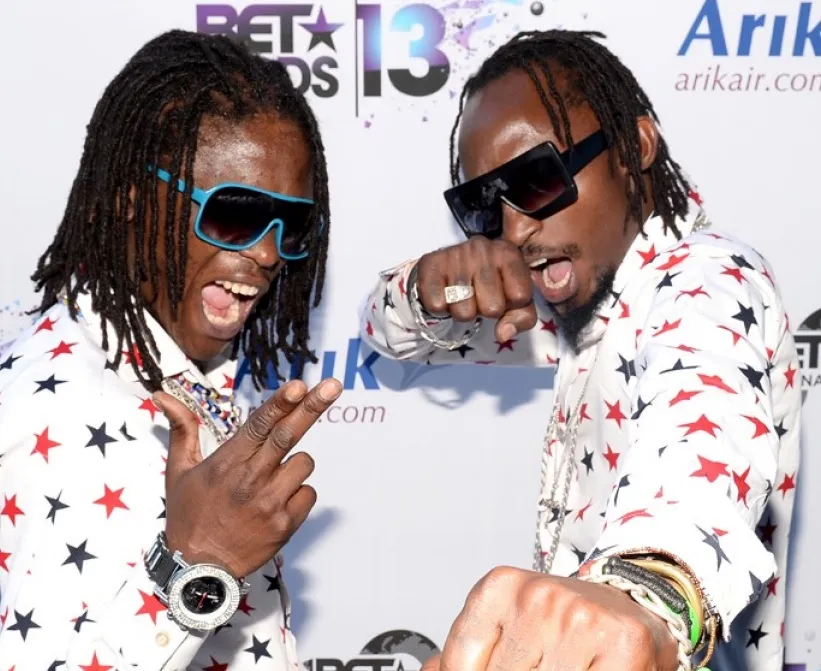
Radio & Weasel deserve a place in the historical conversation even if their circumstances make their inclusion in an active Big Three more complicated.
The duo helped usher in a new era of Ugandan music and challenged the dominance of the established stars. Their influence can be seen in the generation that followed, including artists such as Eddy Kenzo, King Saha and Fik Fameica.
Radio’s death, however, changed the trajectory of the duo. Weasel has continued making music, but evaluating Radio & Weasel as an active partnership is no longer straightforward.
Historically, though, their influence is difficult to dispute.

A Pass represents Uganda’s digital generation
A Pass makes a different argument.
His career has been shaped by urban sounds, experimentation, songwriting and a strong digital presence. His music frequently moves between English and Luganda, reflecting changing listening habits among younger Ugandan audiences.
He may not command the same traditional concert numbers as some of the other contenders, but his versatility and catalogue give him a credible place in the discussion.
A Pass represents a generation that has built careers in an industry increasingly influenced by streaming, digital platforms and changing audience behaviour.
Ray G is proof Kampala is no longer the whole story
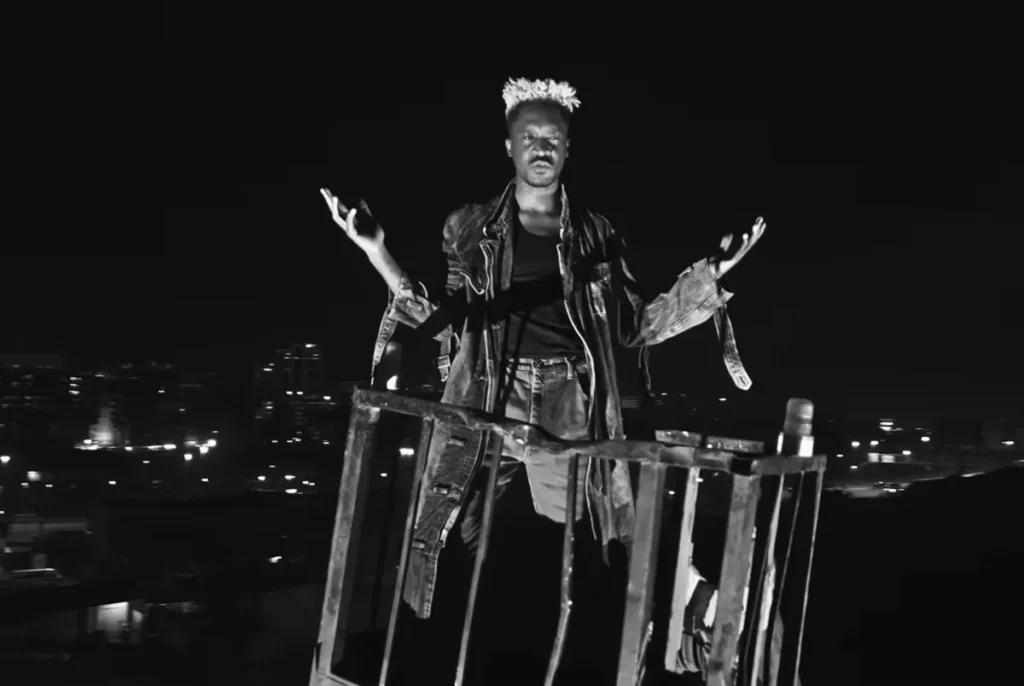
Ray G brings another important dimension to the debate.
The western Uganda-born artist has built a significant following outside the country’s traditional Kampala-centred music establishment. His ability to attract large audiences, including at major venues such as Lugogo Cricket Oval and Kololo Airstrip, has strengthened his position as one of the region’s biggest musical success stories.
His rise also reflects a broader change in Uganda’s industry: national music dominance is no longer necessarily determined by an artist’s connection to Kampala.
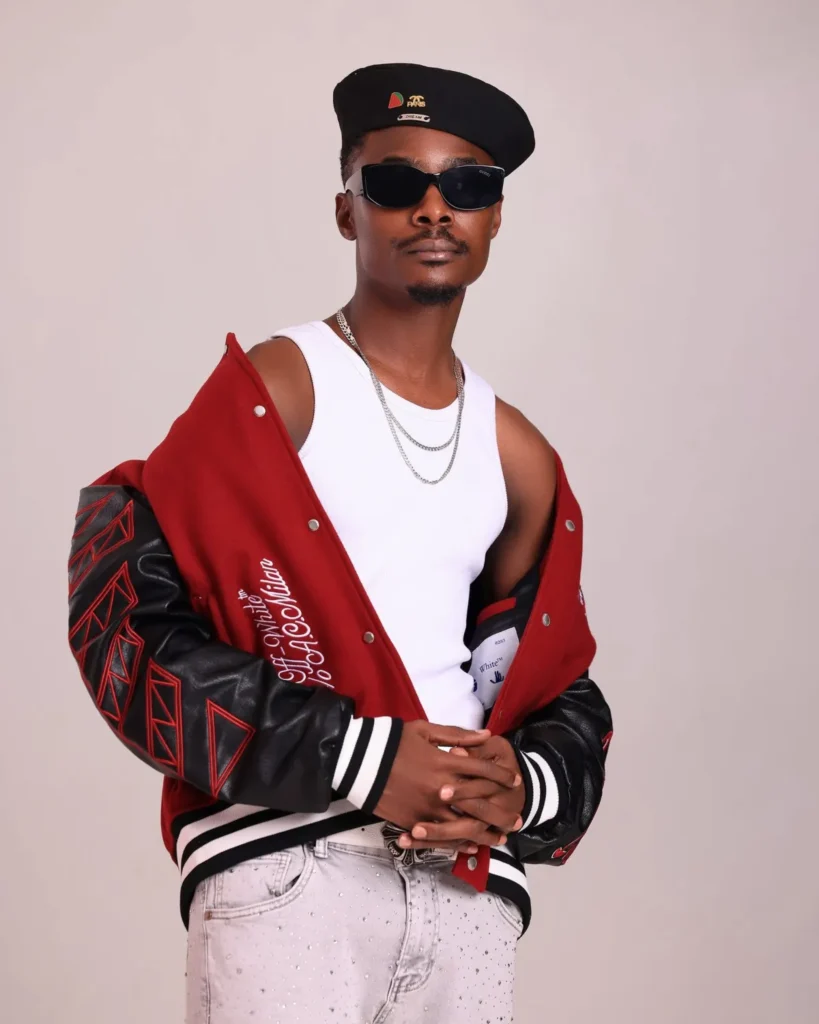
So, who really belongs in Uganda’s new Big Three?
There is no definitive answer.

If international success is the main measurement, Eddy Kenzo has an extremely strong case. If consistency, popularity and cultural influence carry the most weight, Sheebah Karungi is difficult to leave out.
If recent momentum and local fan mobilisation matter most, King Saha has significantly strengthened his argument.
Radio & Weasel remain hugely influential historically. A Pass represents the digital generation, while Ray G has demonstrated the growing power of regional music beyond Kampala.
And that may be the most important part of the debate.
Uganda’s music industry has evolved beyond the era when Bebe Cool, Jose Chameleone and Bobi Wine automatically dominated every conversation about musical greatness.
The new question is not simply whether Uganda has another Big Three.
It is who deserves the crown — and whether greatness should be measured by international awards, catalogue strength, longevity, concert power, cultural influence or the ability to command an audience.
For now, Eddy Kenzo, King Saha, Sheebah Karungi, A Pass, Ray G and Radio & Weasel all have a case.
The final verdict belongs to the fans.