

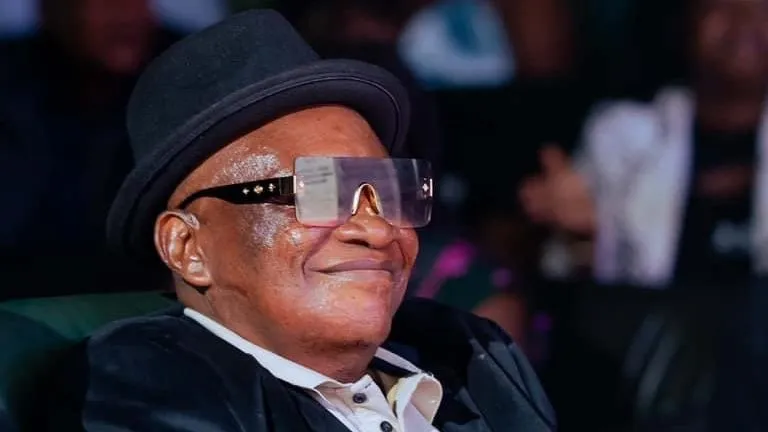
For decades, Lord Fred Sebatta has been one of the most recognizable names in Uganda’s Kadongo Kamu music scene. But according to the veteran singer, the title that has become synonymous with his career was never something he deliberately chose.
Reflecting on the story behind the famous nickname, Sebatta revealed that “Lord” was given to him by friends during the early years of his music journey. Although the name eventually became part of his public identity, he admitted there was a time when he tried to distance himself from it.
His revelation offers fans a rare glimpse into how one of Uganda’s most iconic stage names came to life.
Speaking about the nickname’s origins, Sebatta recalled regularly interacting with a close group of associates.
During those conversations, he would confidently refer to himself as the “Star of Africa.”
It was during that period that one of the people in the group casually introduced a different title.
“‘Lord’ came about because there was a clique of individuals I used to tell that I was the ‘Star of Africa.’ Then one of them simply decided to call me ‘Lord.'”

What started as an informal nickname soon began taking on a life of its own.
A major turning point came when Sebatta organized a show at Nakivubo Stadium.
Instead of promoting him as the “Star of Africa,” the event’s publicity materials identified him as “Lord Fred Sebatta.”
The name quickly caught on with fans, and before long it had become the identity by which audiences knew him.
Despite the growing popularity of the title, Sebatta admitted he was not always comfortable with it.
He explained that being called “Lord” created personal unease, particularly during moments of worship.
According to the singer, kneeling before God while people referred to him by that title made him question whether he should continue using it.

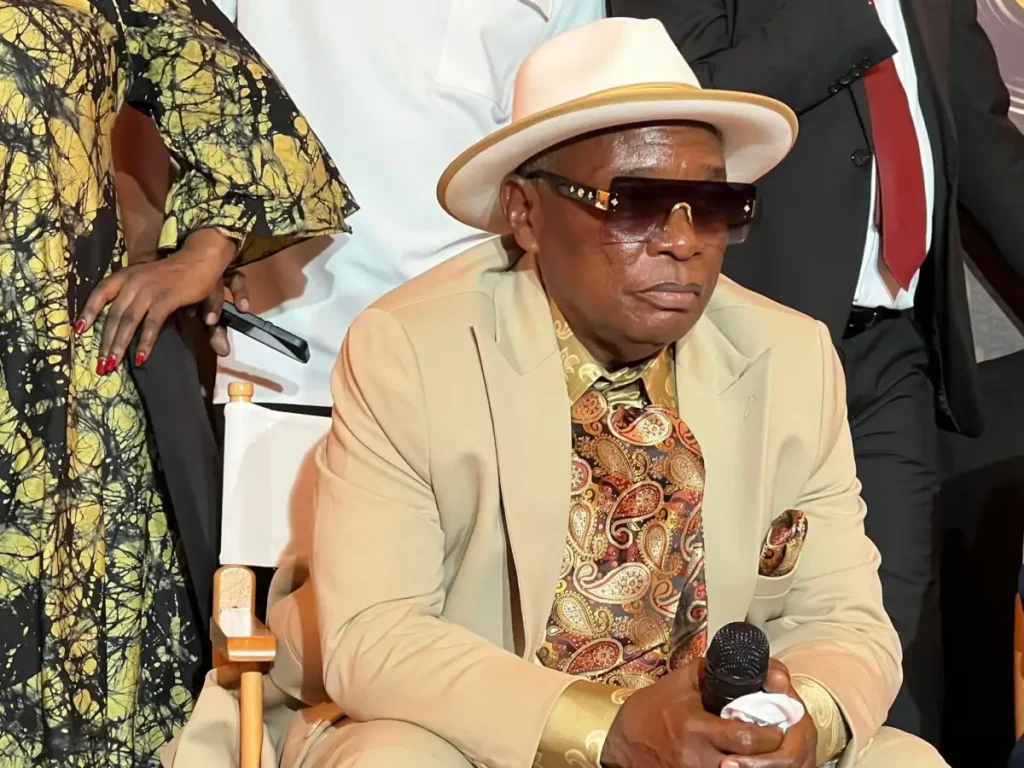
The discomfort became so significant that he decided to take action.
Sebatta revealed that he even composed a song with the hope of discouraging people from calling him “Lord.”
His intention was to move away from the nickname and encourage fans to identify him differently.
However, the plan did not have the effect he expected.
Rather than disappearing, the nickname became even more deeply rooted in the public’s mind.
“At some point, I wouldn’t even respond when someone called me ‘Lord.’ But the more I resisted it, the more it stuck. In the end, I had no option but to accept it.”
Eventually, Sebatta embraced the reality that the name had become inseparable from his music career.

Fred Sebatta is one of Uganda’s most respected Kadongo Kamu musicians, with a career spanning several decades.
Throughout that time, the name “Lord Fred Sebatta” has become instantly recognizable among fans of the genre.
Although many listeners assumed the title was intentionally adopted as part of his brand, Sebatta’s latest account reveals that it emerged naturally through interactions with friends before later gaining popularity through concert promotion.
What began as a casual nickname eventually evolved into one of the most enduring stage names in Uganda’s music industry.
Stage names often become as iconic as the artists themselves, shaping public identity for generations.
Sebatta’s story highlights how some of the most recognizable names are not always carefully planned but can grow organically through everyday interactions and public acceptance.
His reflections also provide insight into the personal considerations that sometimes accompany fame, showing that even widely embraced identities can come with moments of doubt.

Human Angle
Behind the famous title is a musician who once questioned whether it truly reflected who he wanted to be.
Rather than embracing the nickname immediately, Sebatta wrestled with it, even creating music in an attempt to leave it behind.
In the end, it was the fans who made the decision for him.
Today, “Lord Fred Sebatta” is more than just a stage name—it’s a lasting part of Uganda’s musical history and a reminder that some identities are shaped as much by the audience as by the artist.
His journey shows that sometimes the names we resist the most become the ones the world remembers forever.