

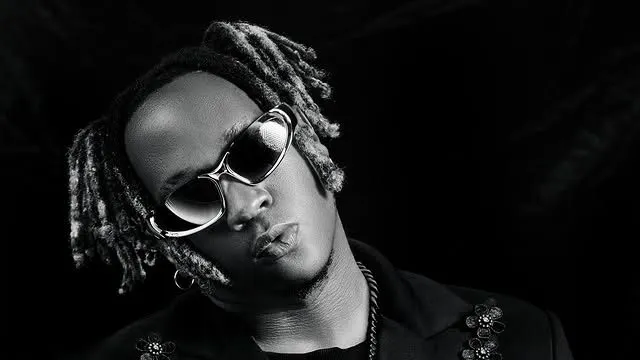
Beenie Gunter is setting the record straight—and he’s not here for the “dancehall is dead” narrative.
The Ugandan dancehall star is pushing back hard against growing claims that the genre is losing its grip, especially as amapiano continues to dominate global charts and club scenes. But according to Beenie, reports of dancehall’s decline are not only exaggerated—they’re completely off base.
Speaking during an appearance on the NRG Ignition Show with Mr. Henrie, the artist broke down his perspective on the state of dancehall—and why he believes the genre is far from fading.
“Music Is Spiritual” — Beenie Explains Dancehall’s Evolution
Rather than seeing dancehall as a genre in decline, Beenie Gunter framed it as something much deeper—an ever-evolving, almost spiritual force that constantly reinvents itself.
“Music is a spiritual thing,” he explained. “So we, the creators of dancehall music, recreate and add flavor.”
According to him, what some critics interpret as a decline is actually transformation.
Dancehall, he says, isn’t static—and never has been.
- Artists are experimenting more
- Sounds are blending across genres
- Delivery styles are shifting
Instead of sticking to traditional formulas, modern dancehall artists are expanding their creative boundaries—and that’s intentional.
Why Dancehall Sounds Different Today
Beenie pointed out a major shift in how dancehall is being delivered today compared to its earlier roots.

Back in the day, the genre was known for its raw, hardcore energy—often driven by aggressive delivery and rhythmic intensity. But today’s artists are taking a more layered approach.
Think:
- More melodic vocals
- Smoother flows
- Genre-blending influences
This evolution, he says, is exactly why some fans feel like dancehall has “changed”—or worse, “disappeared.”
But in reality? It’s just grown.
“Dancehall artists now incorporate more vocals and melodies,” he noted, suggesting that the genre’s versatility is being mistaken for weakness.
“Dancehall Has Never Died” — His Strongest Statement Yet
If there was any doubt about where Beenie stands, he made it crystal clear.
“Dancehall has never died because everything rotates around it, even life itself.”
That bold statement highlights his belief that dancehall isn’t just surviving—it’s foundational.
In his view, the genre continues to influence:

- Global pop sounds
- Afro-fusion movements
- Even emerging genres like amapiano
Rather than being replaced, dancehall is quietly shaping the very trends people think are overtaking it.
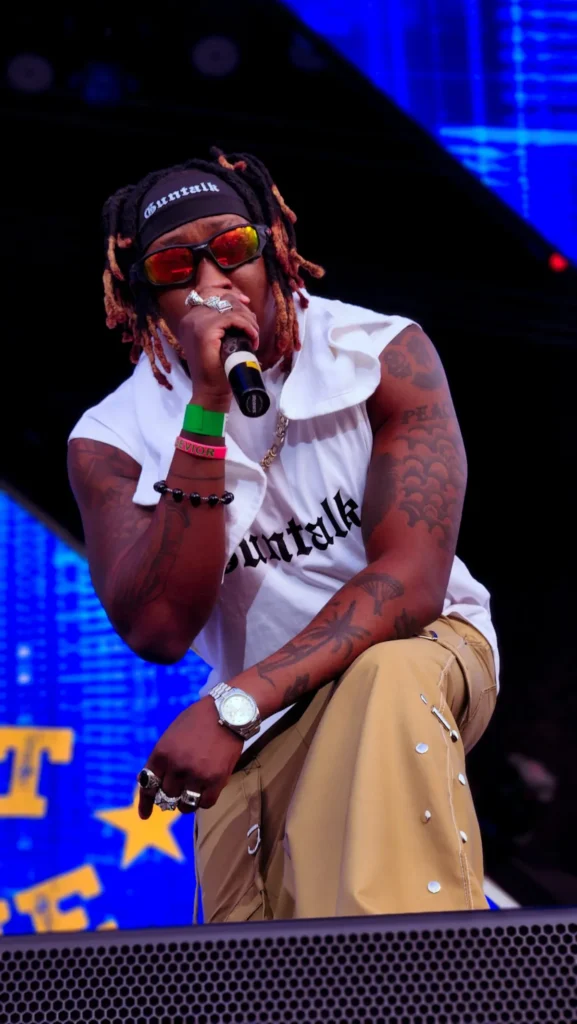
Amapiano vs Dancehall — Is There Really a Rivalry?
There’s no denying that amapiano has had a massive global moment.
From viral TikTok dances to packed international tours, the South African-born genre has exploded in popularity. But Beenie Gunter isn’t buying the idea that amapiano is “taking over” in a way that threatens dancehall.
Instead, he sees it as part of the natural cycle of music.
Trends come and go—but foundations remain.
While he acknowledged amapiano’s current dominance, he subtly questioned its long-term impact compared to dancehall’s decades-long influence.
In other words: amapiano may be hot right now—but dancehall built the temperature.
Fans Are Divided Over the Debate
As expected, the conversation around dancehall vs amapiano has sparked strong reactions online.
Some fans agree with Beenie, arguing that dancehall’s DNA is present in many of today’s biggest hits—even outside the genre.

Others feel that newer sounds like amapiano represent a genuine shift in global taste, not just a passing trend.
Social media has been buzzing with takes like:
- “Dancehall walked so amapiano could run.”
- “Music evolves—nothing stays on top forever.”
- “Dancehall isn’t dead, it just sounds different now.”
Clearly, this isn’t a one-sided conversation.
The Bigger Picture: Music Never Stays Still
What Beenie Gunter is really highlighting goes beyond just dancehall.
It’s about how music as a whole evolves.
Every genre goes through phases:
- Emergence — A fresh, unique sound
- Dominance — Mainstream success and global reach
- Evolution — Blending with other styles
- Reinvention — A new version for a new generation
Dancehall, according to Beenie, is simply in its evolution phase—not its decline.
And history supports that idea.
Genres like hip-hop, R&B, and even pop have all undergone massive transformations over the years—yet none of them truly “died.”

Why This Conversation Matters Now
With streaming platforms, social media, and global collaborations reshaping the music industry, genres are no longer confined to their origins.
Dancehall isn’t just Jamaican anymore.
Amapiano isn’t just South African.
Everything is blending—and that’s changing how audiences perceive genre identity.
So when fans say “dancehall is fading,” they might actually be responding to something else:
- The loss of a familiar sound
- The rise of hybrid music styles
- Or simply nostalgia for a past era
Final Thoughts
Beenie Gunter isn’t denying that the music landscape is shifting—he’s just refusing to let dancehall be written off.
For him, it’s not about competition.
It’s about legacy.
And if his perspective is anything to go by, dancehall isn’t going anywhere—it’s just evolving with the times.
What do you think—has dancehall changed for better or worse? Join the conversation.