


Buganda Prime Minister Charles Peter Mayiga has led tributes to veteran Ugandan playwright, actor and director Alex Mukulu, praising the late theatre icon for his artistic talent, mentorship and devotion to Buganda’s culture.
Mukulu died on Saturday, August 15, 2026, aged 72, prompting an outpouring of grief across Uganda’s arts and entertainment fraternity.
In his tribute, Mayiga described Mukulu as a gifted artist who distinguished himself across several creative disciplines, including writing, directing, acting, songwriting and singing.
He also remembered Mukulu as a loyal subject of Kabaka Ronald Muwenda Mutebi II and a passionate advocate for Buganda’s traditions.
For an artist whose career spanned about four decades, the tributes underline the breadth of Mukulu’s influence — from political theatre to cultural storytelling and mentorship.
Mayiga said he was deeply saddened by news of Mukulu’s death, describing the veteran as a talented artist whose productions made a lasting contribution to Uganda’s theatre landscape.
“The news of the death of the talented Alex Mukulu has deeply saddened me,” Mayiga said in a tribute shared on Saturday.
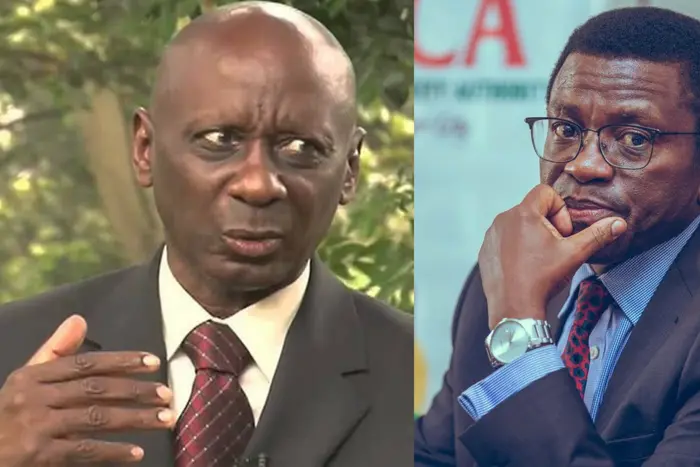
He praised Mukulu’s work as a writer, director, actor, songwriter and singer, emphasizing the quality of the productions he created during his long career.
“He produced plays of a high standard, and we learnt a lot from his productions,” Mayiga said.

Beyond Mukulu’s artistic achievements, Mayiga highlighted his connection to Buganda and its cultural heritage.
He described Mukulu as a loyal subject of Kabaka Ronald Muwenda Mutebi II and a man who deeply valued the kingdom’s traditions and culture.
“He was a man of the Kabaka who greatly loved the traditions and culture of Buganda,” Mayiga said.
Mayiga extended his condolences to Mukulu’s family and friends while praying for his soul.
“I extend my condolences to his family and friends. I pray that the Lord judges his soul with mercy,” he said.
Mukulu’s death has also prompted tributes from other figures within Uganda’s arts community.
Journalist Dr Benjamin Kivumbi described him as a theatre icon whose influence would continue to be felt.
“His wisdom and immense contribution to the theatre world will forever be missed,” Kivumbi wrote on X.
He added that Mukulu’s talent, wisdom and dedication had touched many lives and left a lasting mark on Uganda’s arts and entertainment industry.

Entertainment critic Gabriel Buule remembered Mukulu for a very different aspect of his reputation: his demanding approach as a theatre director.
Buule described him as a strict director who expected discipline from his casts and also remembered him as an outspoken figure who strongly criticised President Museveni’s leadership.
The different tributes reflect the many sides of Mukulu’s public identity.
Born in 1954, Mukulu became one of Uganda’s most prominent figures in theatre, working as a playwright, actor and director for roughly four decades.
His productions explored politics, history, culture and social life, often combining serious subjects with music and humour.
Among his best-known works were 30 Years of Bananas, Wounds of Africa, Muzukulu wa Kabangala, Opera Bakisimba, Dances with Poverty and Seven Wonders of Uganda.
He also created Journey to Self-Realisation, which was performed during the opening ceremony of the Commonwealth Heads of Government Meeting in Kampala in 2007.
Of those works, 30 Years of Bananas became one of Mukulu’s defining productions.
First staged in 1992 as Uganda marked 30 years of independence, the political satire examined the country’s post-independence journey through theatre, music and humour.

The work was later published in book form by Oxford University Press in 1993.
Mukulu also played an important mentorship role, helping nurture generations of performers at a time when theatre was facing increasing competition from television and digital entertainment.
Mukulu’s significance to Uganda’s arts scene goes beyond the number of plays he created.
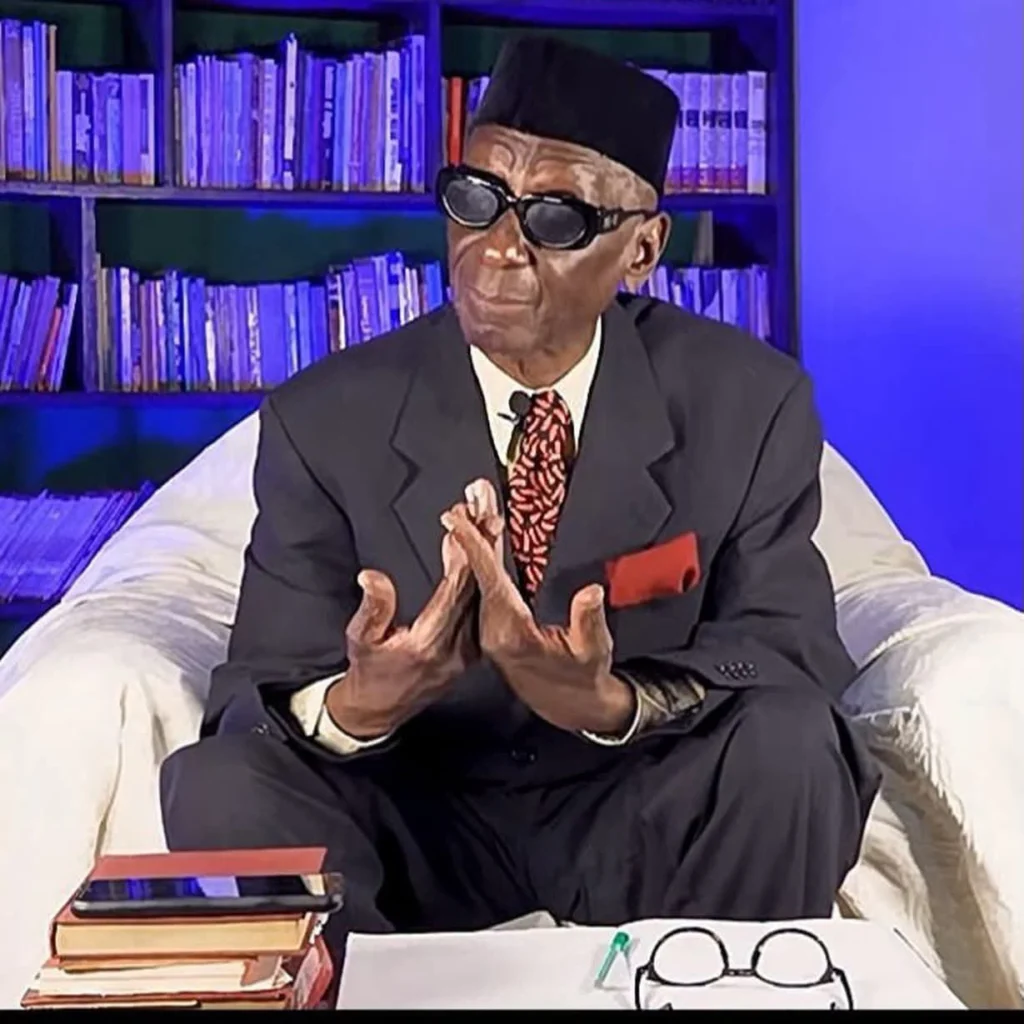
His work demonstrated how theatre could serve as both entertainment and a platform for examining difficult questions about politics, leadership, culture and national identity.
30 Years of Bananas is perhaps the clearest example of that approach, using satire and performance to reflect on Uganda’s post-independence history.
His commitment to theatre also extended to developing other performers.
Mukulu mentored generations of actors and remained associated with the stage even as audience habits changed and digital entertainment expanded.
In 2022, he reflected on 30 Years of Bananas and observed that many of the political and social questions explored in the production remained relevant decades after it was first staged.
His death therefore represents the loss of an artist whose career documented and questioned aspects of Ugandan society through performance.

Tributes have continued to come from Uganda’s arts and entertainment fraternity following news of Mukulu’s death.
Kivumbi described him as a “true theatre icon,” emphasizing his talent, wisdom and dedication to the arts.
Buule, meanwhile, focused on Mukulu’s reputation for discipline and his uncompromising approach to directing.
Mayiga’s tribute placed particular emphasis on another dimension of his legacy: his love for Buganda’s culture and traditions.
Together, the tributes paint a picture of a complex and influential creative figure whose work touched different parts of Uganda’s cultural landscape.
Mukulu spent much of his life in an industry where knowledge is often passed from experienced performers to younger generations.
His role as a mentor meant that his influence was not limited to the plays audiences watched.
The actors he trained and the creatives who learned from his methods became part of the wider legacy he leaves behind.
His strict standards may have earned him a formidable reputation, but his decades-long commitment to theatre also reflected a sustained belief in the power of the stage.
For those who worked with him, watched his productions or encountered his work as audiences, his absence marks the end of an important era.
Alex Mukulu leaves behind a four-decade theatre legacy that challenged audiences, nurtured performers and placed Uganda’s politics, culture and identity on stage. His contribution will remain part of the country’s performing arts history.