

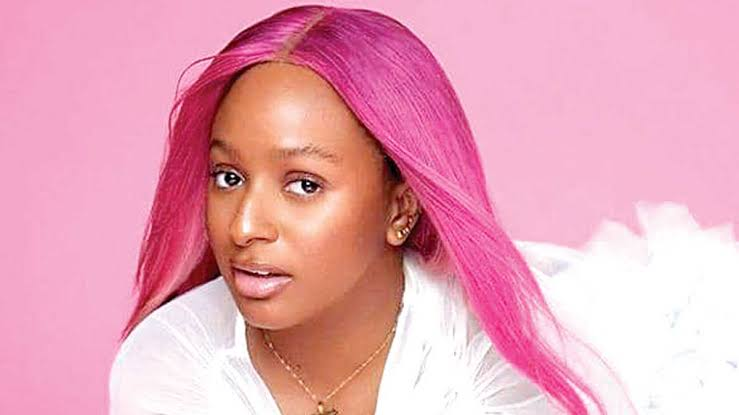
Nigerian disc jockey Florence Otedola, popularly known as DJ Cuppy, has explained why she decided to move away from the signature pink appearance that became one of the most recognisable parts of her public identity.
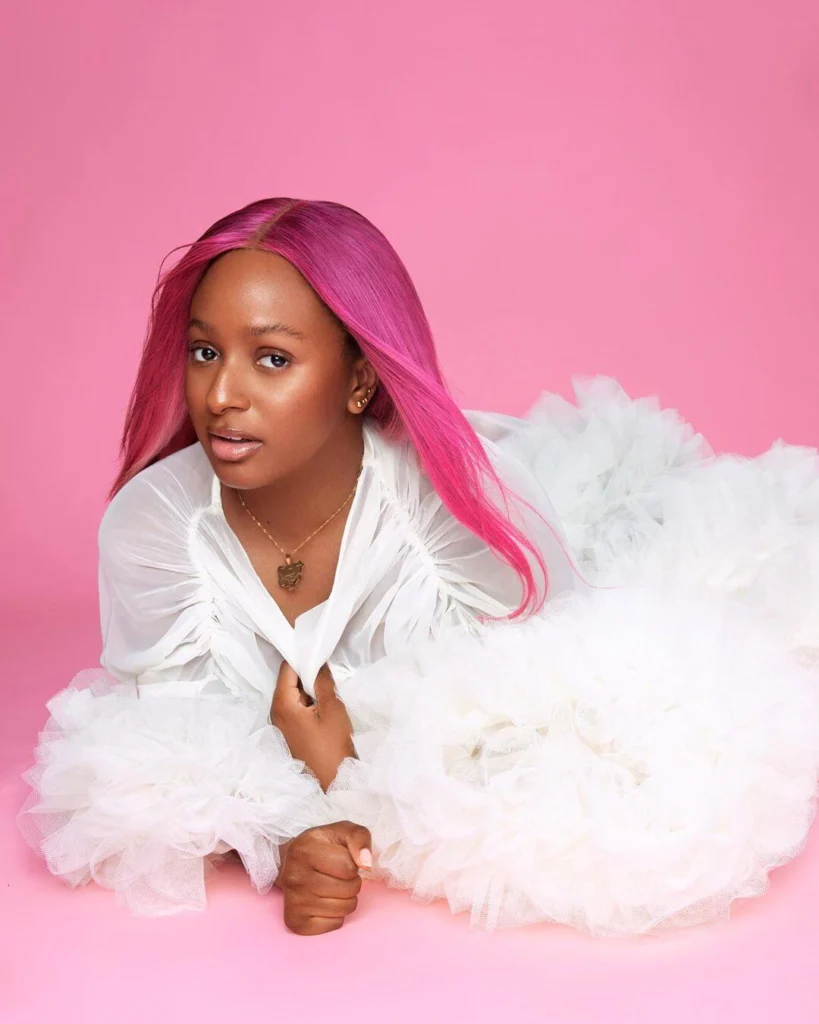
For years, the entertainer built a distinctive fashion image around pink hair, outfits and accessories, making the colour closely associated with her brand.
However, speaking during an interview with GQ Poland, Cuppy explained that her decision to embrace other colours reflects personal growth rather than a rejection of what pink represented in her life.

The DJ said she no longer wants to be defined by a single colour, especially as her identity and experiences continue to evolve.
“I was known for the colour pink, and it was my identity for so many years, and a lot of people are asking what happened to the pink,” she said.
Cuppy explained that growth is a natural part of life and that she does not believe she should be restricted to one visual identity.

“I want people to understand that actually growth is something that will always come, and I don’t think I should be boxed into a colour,” she added.
What Pink Represented in DJ Cuppy’s Career
While moving away from her signature look, Cuppy made it clear that the values she associated with pink have not changed.
She described the colour as a symbol of power, vibrancy, self-expression, confidence and unapologetic femininity.

“Pink for me meant power, vibrancy, expression, unapologeticness, positionality, and that’s still me, but I’m able to express it through other colours as well,” she explained.
The entertainer also reflected on how her fashion choices connected to her journey in the music industry, particularly as a woman working in a male-dominated space.
According to Cuppy, when she started her career approximately 17 years ago, pink became a way for her to express her femininity while establishing her presence in an industry where women often have to fight to be recognised.

“When I think about my style, I think about a woman in a male-dominated industry. Maybe also when I first started 17 years ago, a young girl who was using pink to represent her femininity and stay in the room,” she said.
Now, after navigating more opportunities and challenges throughout her career, Cuppy believes she has the freedom to express that same femininity without relying on one particular colour.
“Now that I’ve been through a lot of doors and kicked down some windows, I feel like I can represent my femininity through any colour,” she added.
Her explanation presents the change as an evolution of her personal style rather than the disappearance of an identity that helped distinguish her in the entertainment industry.