


Ugandan singer and songwriter Dokta Brain has expressed strong confidence in his songwriting abilities, saying he has never written a bad song.
The songwriter, who has created music for other artists, said his experience has taught him to distinguish between a finished song and an early idea before taking anything into the studio.
“I killed the thought of making a bad song. Every song I write, I first make sure it’s good before I call it a track; otherwise, it’s just an idea.”

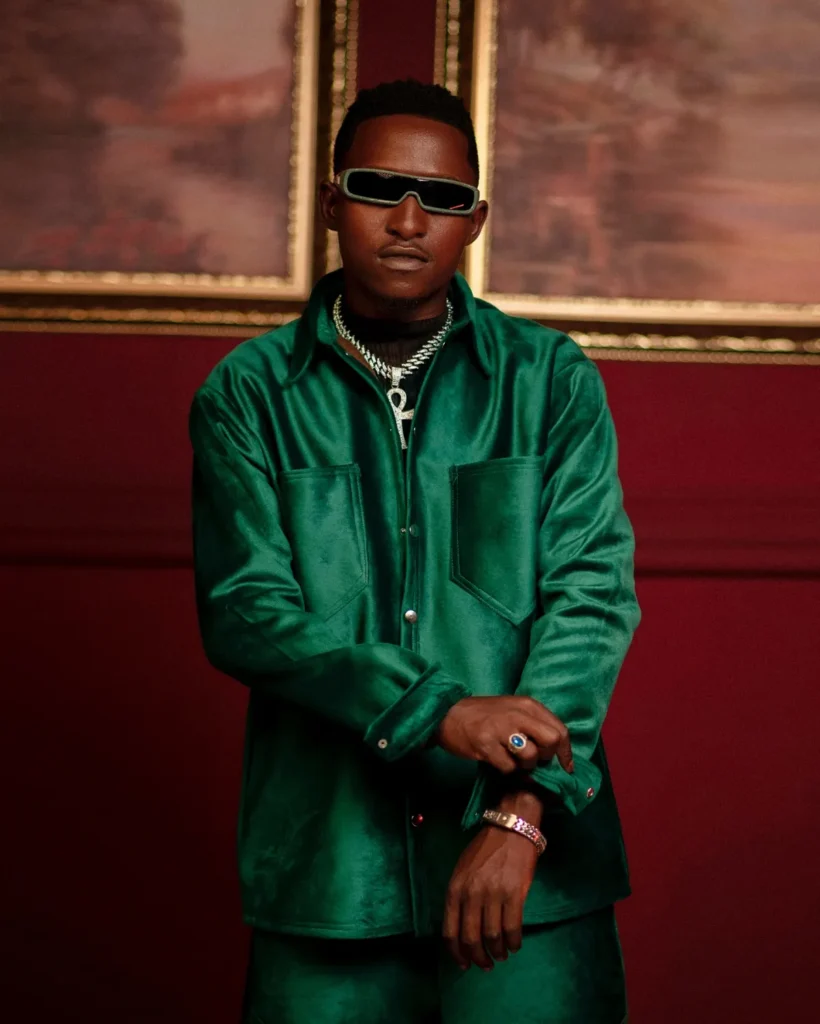
For Dokta Brain, that judgment also determines who should ultimately perform a song. He said he considers the style, the intended artist and whether the material fits his own identity before deciding whether to keep it or sell it.
“For me to pick a song and sing it myself, it depends on many things. Some are feminine and I can’t sing them, so I sell them.”
He gave another example, explaining that he may write a rap-oriented song and immediately recognise that another artist, such as Crysto Panda, could be better suited to perform it.

The same process applies to songs he considers personal.
“Then I can make a personal song and it touches just me.”
His confidence comes partly from his ability to recognise the potential of a song early in the creative process. Dokta Brain said his songwriting experience allows him to know when an idea has developed into something strong enough to become a complete track.

That instinct has also helped him work quickly in the studio.

Dokta Brain singled out “Insido” by Pretty Banks as one of his fastest songwriting sessions, saying he completed the song in just 35 minutes.
“Insido was 35 minutes, and for ‘Babandana’ of Grenade Official, it was also done in a short time. I couldn’t believe I managed that.”

While songwriting can involve lengthy creative sessions, Dokta Brain’s account suggests that some of his work comes together remarkably quickly when the idea and artist fit are clear.
For a songwriter whose work often ends up in the hands of other performers, knowing when an idea is ready — and knowing exactly who should bring it to life — appears to be central to his creative process.