


Elijah Kitaka believes Uganda’s music industry has lost some of its momentum in 2026 — and he says artists need to put more energy into rebuilding it.
Reflecting on the state of the industry, the singer pointed to a combination of factors, including the tense political environment at the beginning of the year and the growing shift by creatives toward TikTok and social media content.
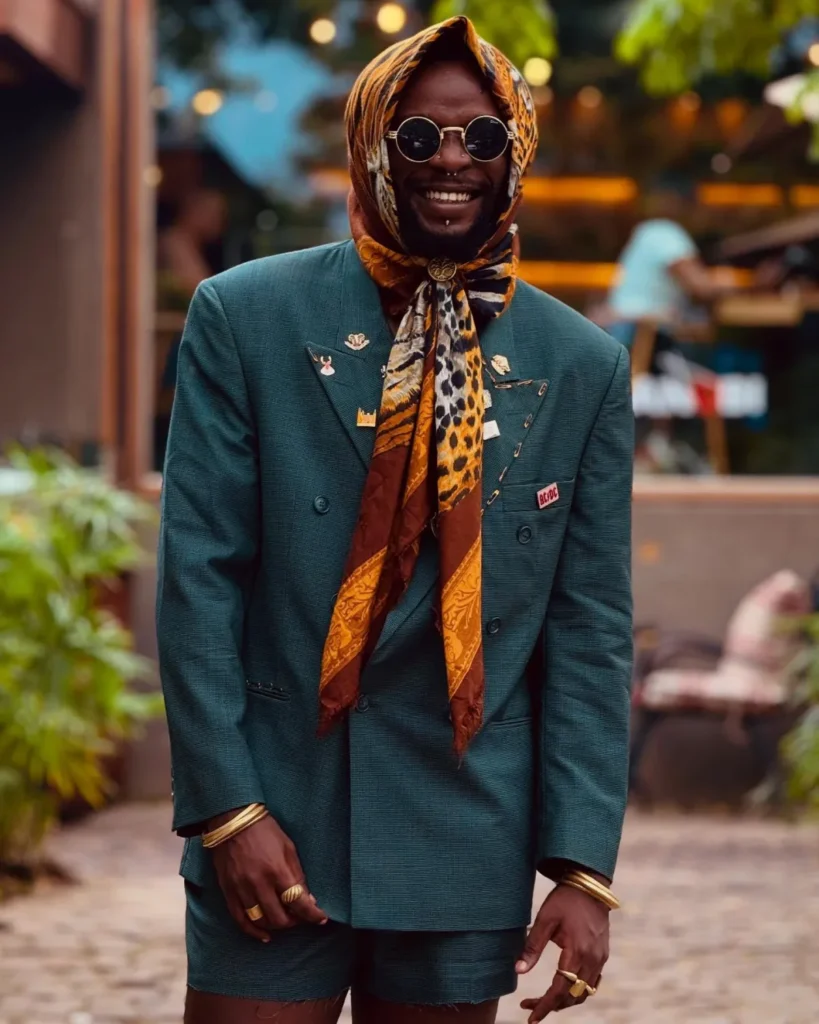
“Truth be told, the music industry weakened a bit. I think right now, everyone has to ignite more effort and energy to lift the industry,” Kitaka said.

For Kitaka, one of the biggest changes has been the number of creatives who have increasingly turned their attention to becoming content creators.
“The weakness is majorly that many of the creatives turned TikTokers. It’s like these days we have a lot to jazz about than doing music,” he added.
His comments suggest that the explosion of short-form content has created another avenue for entertainers, but he believes the attention required to maintain a social media presence can come at the expense of music.

Kitaka also believes the industry could benefit from less rivalry and more collaboration.
“I don’t think we really need competition anymore in the industry. I feel like we’ve competed a lot, and now fans want to see us working and collaborating more,” he said.
The singer’s argument is that artists have already spent years competing for attention, and the next phase could instead involve more musicians working together.

But collaboration, according to Kitaka, requires something deeper than simply appearing together on stage or in public.
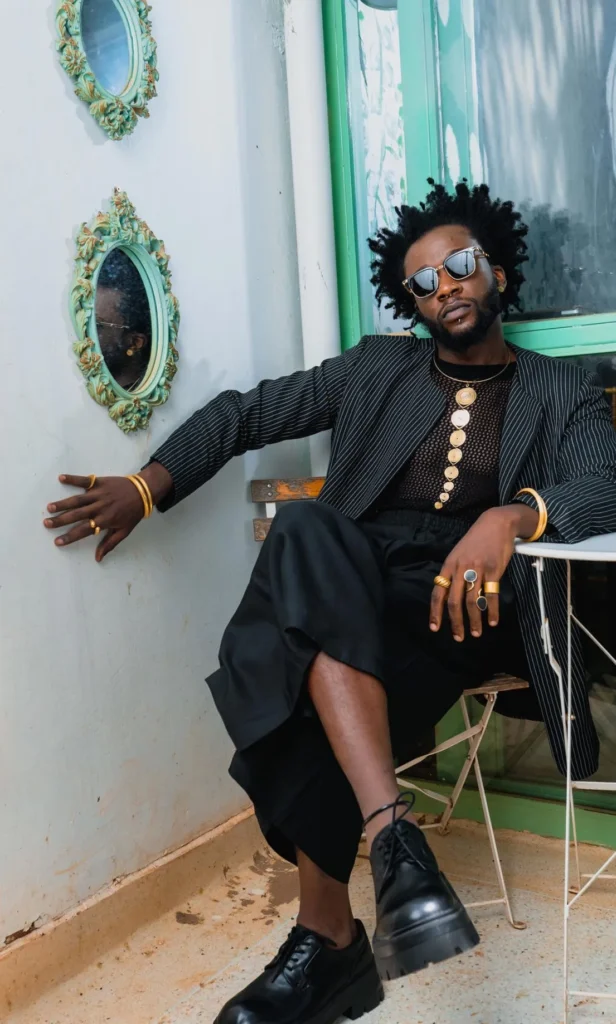
He questioned the authenticity of relationships between artists, arguing that the friendly interactions seen when musicians meet do not always reflect genuine support behind the scenes.
“The other fact is that you see artists when they meet, they laugh and jazz, but the underlying bitter truth is that we’re not buddies to one another. People are plastic in this business,” Kitaka said.

His remarks put the spotlight on two issues he believes are affecting Uganda’s music scene: where creatives are directing their attention and how willing they are to genuinely support one another.
For Kitaka, reviving the industry will require artists and other players to bring back the effort, energy and collaboration he believes are currently missing.
The bigger question is whether Uganda’s music community can turn that criticism into action — and put the music back at the centre of the conversation.