

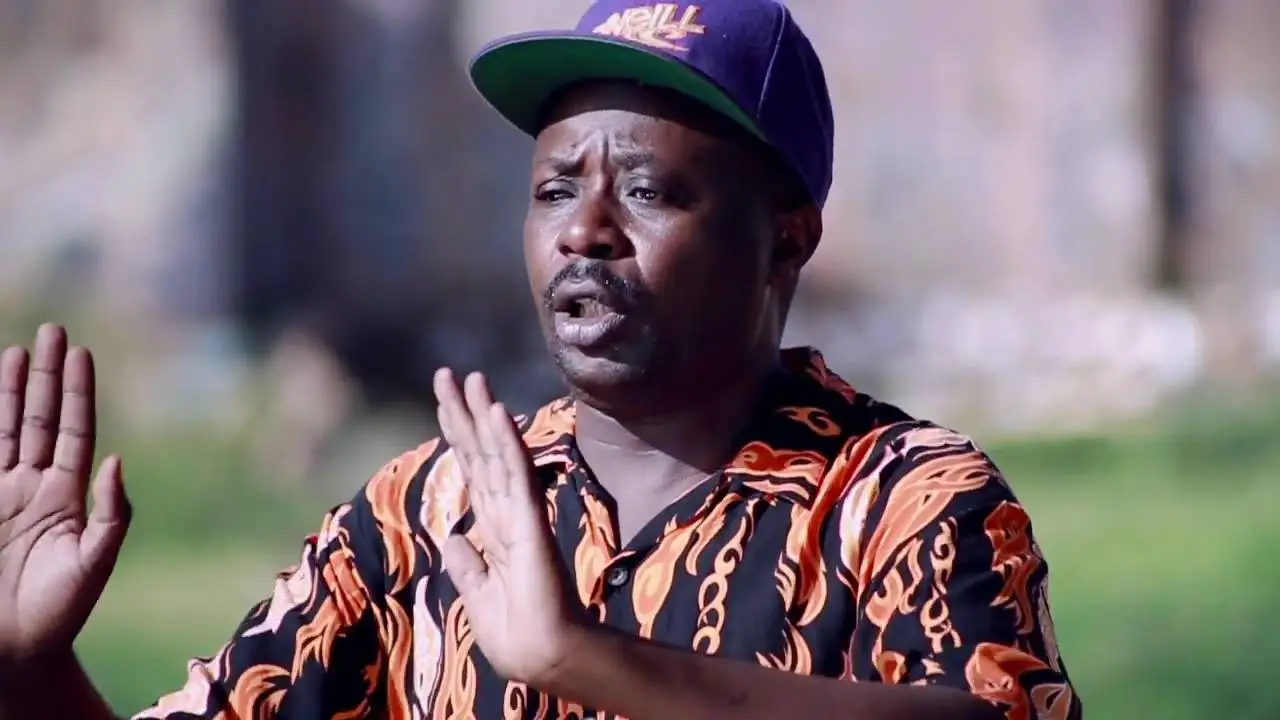
Kadongo Kamu singer Gerald Kiweewa has explained why he has no intention of taking his children for DNA testing, saying he trusts traditional family customs more than scientific methods of establishing biological relationships.
The singer made the remarks while discussing paternity testing, an issue that has attracted attention in Uganda’s entertainment industry, particularly amid concerns about family disputes and questions surrounding inheritance after a public figure’s death.
Kiweewa said he sees no reason to test his children because he believes DNA results can be manipulated. Instead, he relies on the traditional process of introducing children to his extended family, particularly his grandparents.

According to the singer, whenever a woman introduces a child to him as his, he takes the child to his ancestral village for his grandparents to determine whether the child should be accepted into the family.
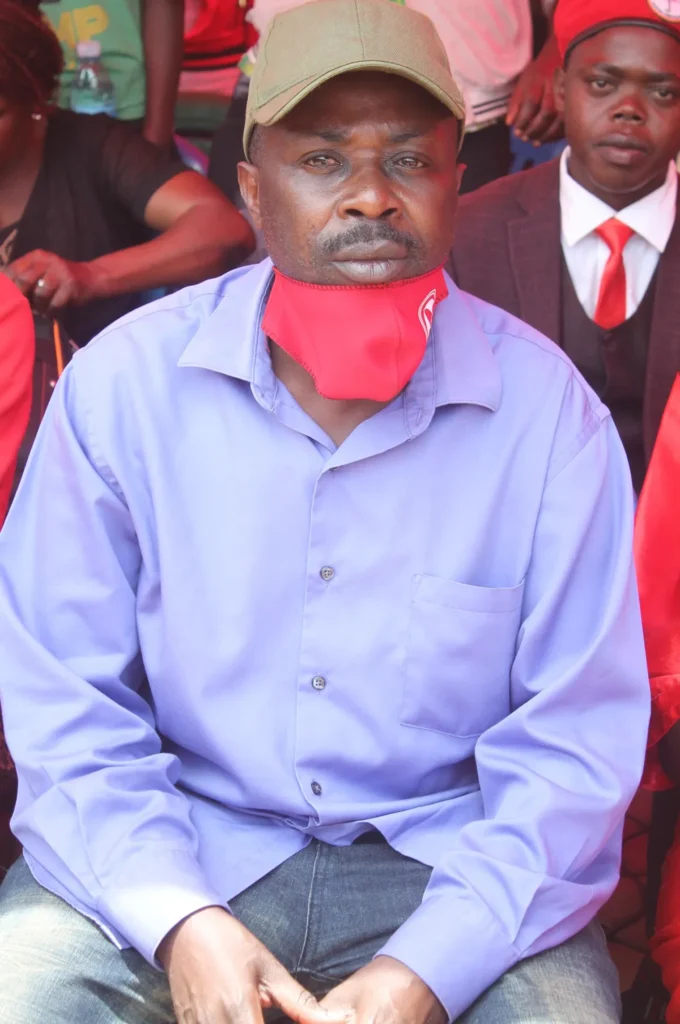
“I don’t see anyone amongst my children that I need to take for a DNA test because results can easily be falsified,” Kiweewa said.
He added that his confidence comes from his strong belief in tradition and the authority he gives to his grandparents in matters concerning family lineage.

“I’m a strong believer in tradition and my grandparents cannot take in a child that is not mine. When a woman brings a child to me saying it is mine, I immediately take them to my village to present them to my grandparents for approval. If they deny them, I just know they are right,” he explained.
His comments reflect a personal approach to paternity rooted in cultural beliefs and family customs rather than laboratory testing.
DNA testing, however, is a scientific method used to assess biological relationships. Unlike traditional family recognition, it examines genetic markers shared between individuals and can provide strong scientific evidence of biological parentage.

Kiweewa’s position adds to the wider conversation about how families and public figures approach paternity questions, especially when children, inheritance and family identity become subjects of public discussion.
For the singer, the matter appears settled: he says he has confidence in the traditional process through which his family recognises its members and does not see a need to subject his children to DNA testing.