

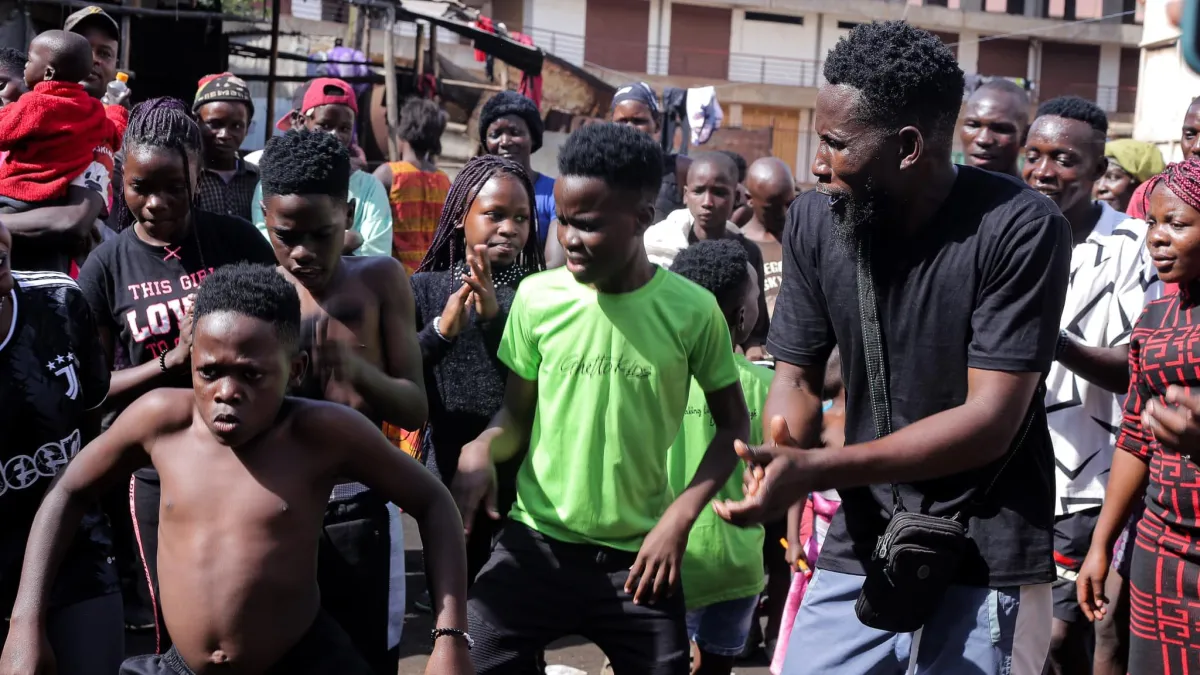
Dauda Kavuma Urges Peace in Tenge Tenge Manager Dispute
One of Uganda’s most talked-about talent disputes is showing no signs of slowing down.
For weeks, conversations surrounding young content creator Tenge Tenge and his manager Michael have dominated social media, with fans divided over who should control the digital platforms that helped transform the youngster into an online sensation.
Now, a respected voice from Uganda’s entertainment industry has stepped into the conversation.
Dauda Kavuma, the longtime manager behind the globally recognized Ghetto Kids, has publicly shared his thoughts on the standoff—and his message is simple: stop fighting and start talking.
Because according to him, there is one person who stands to lose the most if the conflict continues.
And it’s not the manager.
It’s not the family.
It’s Tenge Tenge himself.
The Dispute That Sparked National Debate
At the center of the controversy is control of Tenge Tenge’s social media empire, including his YouTube channel and other digital platforms.
The disagreement reportedly began after manager Michael took control of the accounts, arguing that he was responsible for creating and developing the pages from the ground up.
According to his position, building the brand required significant time, effort, and resources.
However, Tenge Tenge and members of his family have pushed back, reportedly seeking shared access to the accounts and a greater role in managing the young creator’s online presence.

The disagreement has since escalated into a public standoff, drawing reactions from fans, content creators, and industry observers alike.
As the debate continues, questions about ownership, management rights, and the protection of young talents have become central talking points.
But that’s exactly why Dauda Kavuma believes cooler heads need to prevail.
Kavuma Understands Both Sides
Unlike many people weighing in from the sidelines, Kavuma speaks from years of firsthand experience.
As the manager who helped guide the rise of the Ghetto Kids from local dancers to international performers, he understands the immense effort required to build a successful young brand.
Speaking about the dispute, he acknowledged the role managers play in transforming raw talent into globally recognized stars.
“The manager sat down and created the brand because it’s not easy to build someone to reach global stardom like he did. It takes a lot of energy,” Kavuma explained.
His comments suggest that the manager’s contribution should not be overlooked.
Building a successful digital brand doesn’t happen overnight.
It requires planning, investment, consistency, and long-term commitment.
But Kavuma was equally clear that management alone cannot carry a young star’s career.
And that’s where the family comes in.

Why Everyone Matters
According to Kavuma, both the family and the manager play essential roles in the success of a young entertainer.

More importantly, he believes the child should remain at the center of every decision.
“Let all of them dialogue because the parent is important in this, the manager is equally important, and the child as the creative is important. The more they clash, the more the kid suffers.”
That statement has quickly become one of the most discussed parts of his comments.
Fans immediately noticed that Kavuma avoided taking sides.
Instead, he focused on the potential consequences of a prolonged conflict.
His warning is straightforward: when adults battle over control, the young talent can become the biggest victim.
And for many observers, that’s the point that resonates most.
Why Kavuma’s Opinion Carries Weight
Not everyone in Uganda’s entertainment industry can speak about managing child talent with credibility.
Kavuma can.
For years, he has overseen the careers of the Ghetto Kids, one of Uganda’s most successful youth entertainment groups.
The dancers first gained international attention after appearing in singer Eddy Kenzo’s hit song “Sitya Loss.”
That breakthrough moment changed everything.
From viral fame to international tours and major performance opportunities, the group steadily built a global reputation.

Their success story has become one of Uganda’s biggest entertainment exports.
That experience gives Kavuma a unique perspective on the challenges that come with managing young performers, balancing family expectations, and protecting long-term careers.
Social Media Reacts
As expected, Kavuma’s remarks quickly generated conversation online.
The internet had thoughts—and they weren’t holding back.
Some fans agreed that Michael deserves recognition for helping build Tenge Tenge’s online presence.
Others argued that family members should have greater involvement in decisions affecting the young creator’s future.
A third group praised Kavuma for taking a balanced approach rather than publicly siding with either camp.
Within hours, clips and quotes from his comments began circulating widely across social media platforms.
Many users pointed out that public disputes rarely benefit young talents, especially when careers are still developing.
It’s unclear whether either side will follow Kavuma’s advice.
But many fans hope his intervention could help ease tensions.
The Bigger Picture
Beyond the headlines, this situation highlights a challenge increasingly facing young digital stars around the world.
When a child becomes a successful brand, questions often emerge about ownership, management, financial interests, and parental involvement.

Those conversations can become especially complicated when multiple people contribute to the success story.
For Tenge Tenge, the stakes are particularly high.
His popularity continues to grow, and every decision made today could influence the direction of his future career.
That is why many observers believe cooperation may be the most valuable solution.
A New Milestone for the Ghetto Kids
As Kavuma weighs in on the dispute, his own artists continue making major international moves.
The Ghetto Kids recently secured another significant career milestone with a scheduled performance alongside global superstar Shakira at the FIFA World Cup final in the United States.
It’s yet another reminder of what can happen when young talent is successfully nurtured and guided over time.
And perhaps that’s exactly why Kavuma’s message carries so much significance.
The Twist Everyone Should Pay Attention To
While social media continues debating who owns what, Kavuma is focused on a different question entirely.
What happens to Tenge Tenge if the conflict continues?
That may ultimately be the most important issue of all.
The battle over Tenge Tenge’s platforms may still be unresolved, but Dauda Kavuma believes the answer isn’t found in public arguments. The real challenge now is whether everyone involved can put the young star first before the dispute overshadows his future.