

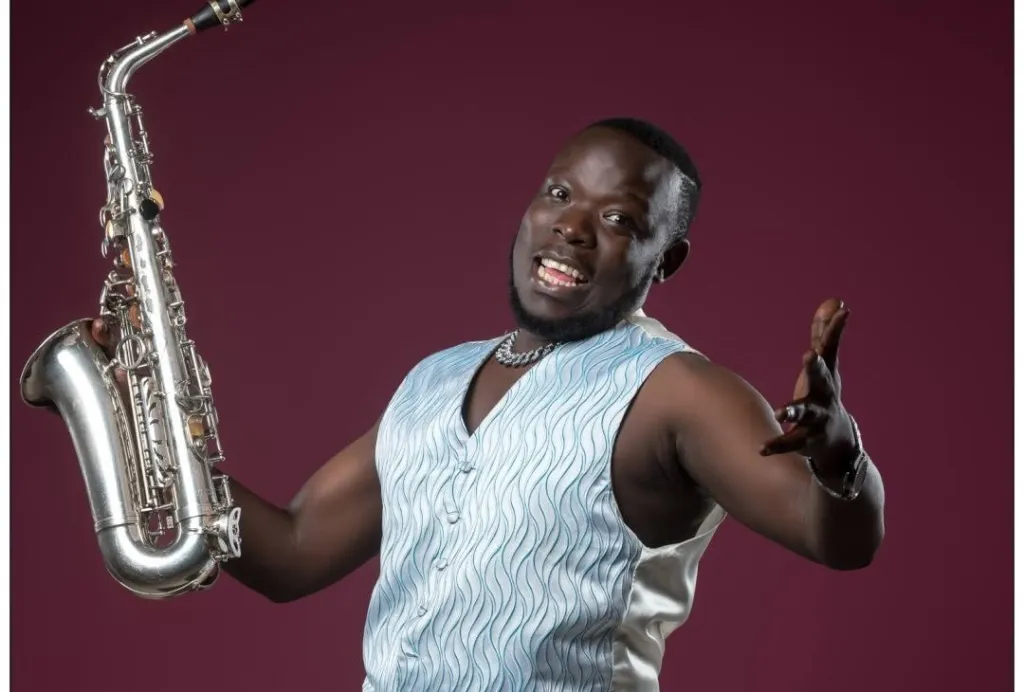
Saxophonist Happy Kyazze is calling on the Ugandan government to reduce taxes imposed on musical instruments imported into the country, warning that the high costs could make it harder for young people to develop their musical talents.
Kyazze made the appeal while paying tribute to veteran Afrigo Band musician Moses Matovu, whose death last week has left Uganda’s music community mourning. The circumstances surrounding Matovu’s death remain under investigation.
For Kyazze, making instruments more affordable is about more than supporting established musicians. He believes the cost of accessing instruments could determine whether the next generation gets the opportunity to learn.

“I appeal to the government to reduce the tax that is levied on musical instruments imported into the country by artists so that we can be able to teach the younger generations and have the next Moses Matovu in the future.”
Kyazze said the issue could ultimately affect the country’s ability to produce musicians capable of carrying forward the traditions established by veterans such as Matovu.
The saxophonist also revealed that he and Matovu had been working on a song together before the veteran musician died.

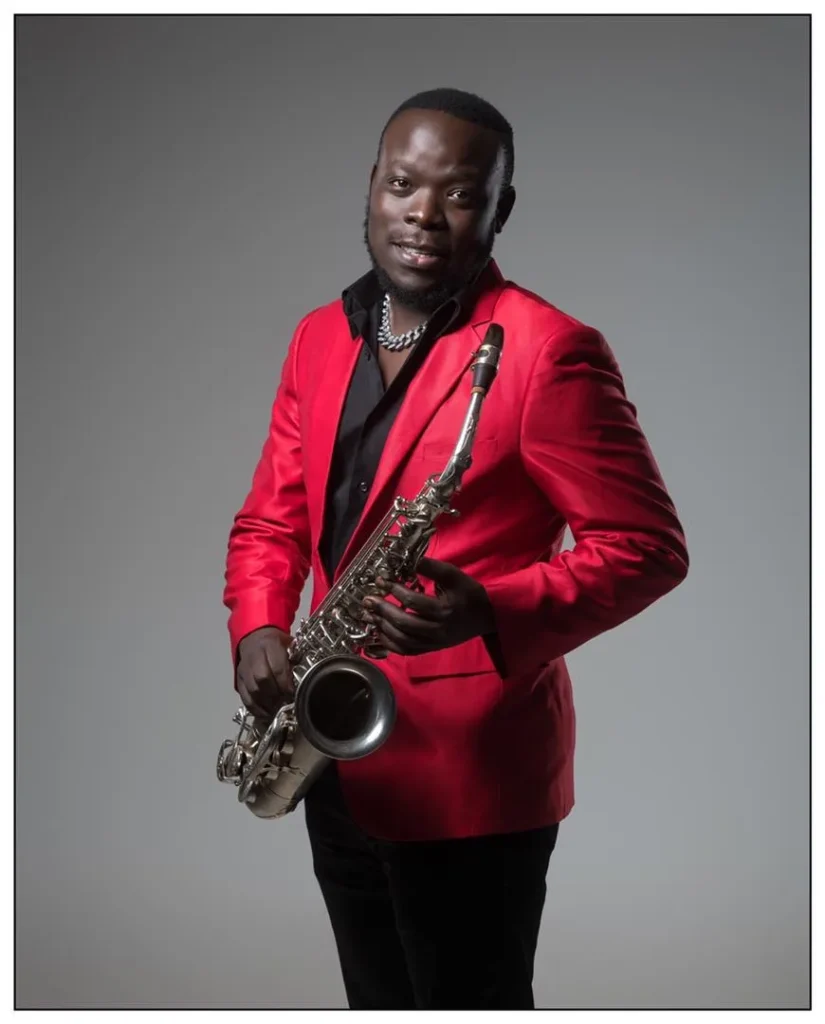
Kyazze said he had completed his part of the recording, while Matovu was yet to contribute his section. With the collaboration now unfinished, Kyazze plans to release the song and name it after Matovu.
“I was done with my parts, and his were coming next, but he didn’t get to play his parts. So I will release the song and give it a title of his name.”
Kyazze also wants Matovu’s legacy preserved beyond his recordings. He appealed to the remaining members of Afrigo Band to donate some of the late musician’s personal belongings, including one of his saxophones and his trademark hat, to the Uganda Museum.

He believes the items could serve as a physical reminder of Matovu’s contribution and inspire future generations of musicians.
“I request the remaining members of Afrigo Band to get a few items of Moses Matovu, like one of his saxophones and hat, to keep them in the Uganda Museum as an example and inspiration for the younger generations.”
Kyazze further pledged that fellow saxophonists would continue working to keep Matovu’s musical legacy alive.

“We, the remaining saxophonists, are going to work hard and keep the industry and the legacy of Moses Matovu shining in all aspects of life since we are skilled as well,” he said.
He also recalled Matovu’s appreciation for his distinctive saxophone technique, particularly his ability to make the instrument appear to “speak and cry” through his playing.
Kyazze said Matovu would often ask where he had learned the technique.
For Kyazze, preserving that kind of musical knowledge is now part of the responsibility facing the musicians Matovu inspired.