

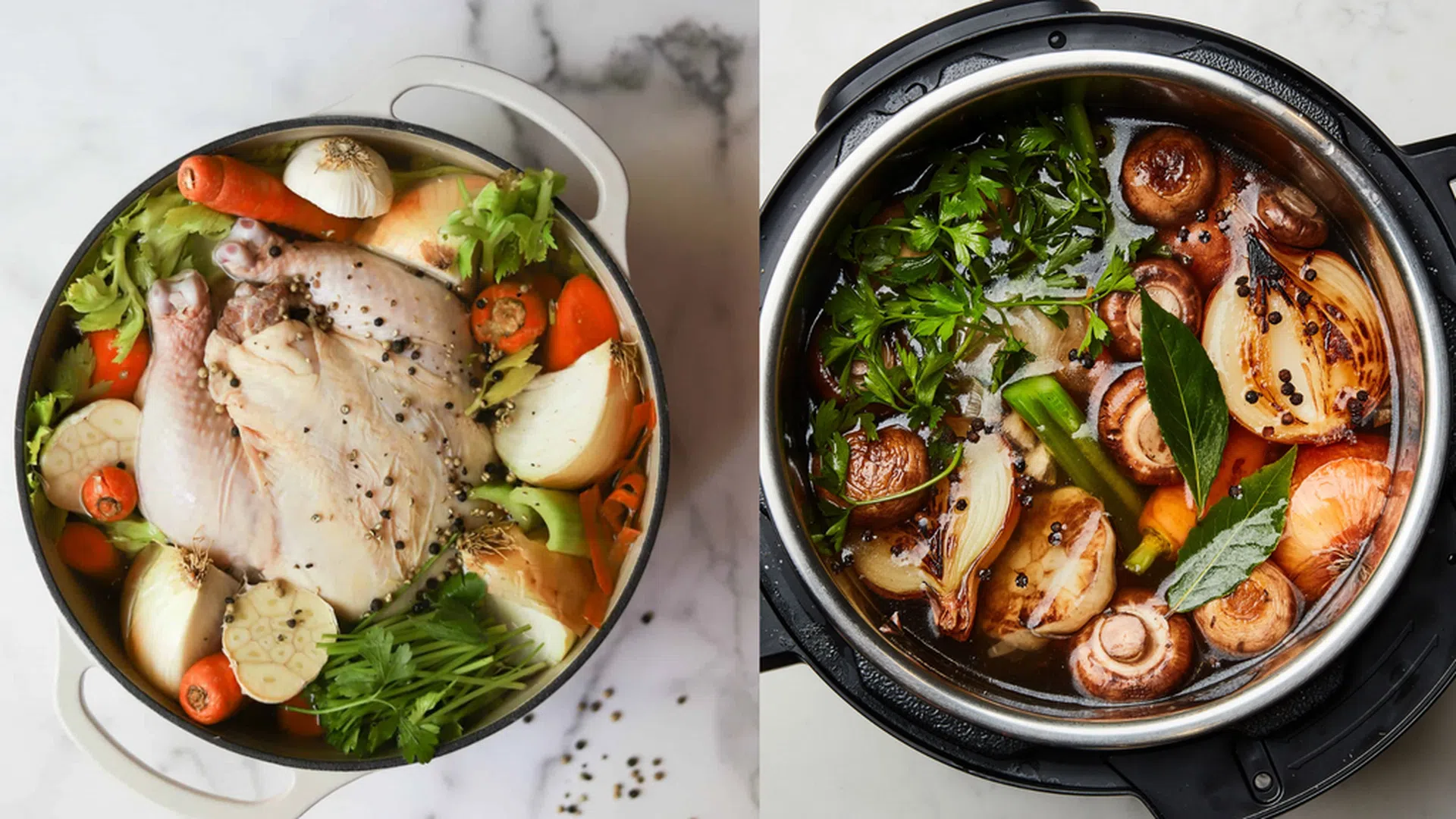
Cooking every meal from scratch can be time-consuming, particularly when preparing sauces and soups that require several ingredients and lengthy preparation. Homemade chicken soup offers a practical alternative: one pot can provide a versatile base for several meals, helping households save time, reduce food waste and manage grocery spending.
Beyond its convenience, chicken soup can provide protein, fluid and nutrients from the chicken and vegetables used in its preparation. With a few everyday ingredients and proper storage, it can become a useful addition to a weekly meal-preparation routine.
Why homemade chicken soup makes meal planning easier
Preparing a large pot of chicken soup means having a ready-made base for meals throughout the week. Instead of starting from scratch every day, you can use portions of the soup alongside rice, potatoes, vegetables or other simple accompaniments.
The soup can also be adapted to suit different tastes. Herbs, spices and vegetables can change its flavour, while additional ingredients can turn a light broth into a more substantial meal.

Making soup at home may also help reduce spending on takeaway meals, particularly when chicken and other ingredients are purchased in quantities that suit the household’s needs.
Is chicken soup nutritious?
Chicken soup can contribute to a balanced diet, although its nutritional value depends on the ingredients and preparation method.
Chicken provides protein, which supports the maintenance and repair of body tissues. Vegetables can add fibre, vitamins and minerals, while the broth contributes fluid.
To make the soup more filling, consider adding carrots, onions, leafy greens or other vegetables. Beans, whole grains or potatoes can provide additional substance, depending on the recipe.

The amount of salt, added fat and stock used also matters. Homemade soup gives you more control over these ingredients than many ready-made alternatives.
Can chicken soup help when you have a cold or flu?
A warm bowl of chicken soup can be comforting when you feel unwell. Its fluid content may help with hydration, and the warmth can temporarily soothe a sore throat or help loosen mucus.
However, chicken soup is not a cure for influenza or other respiratory infections, and it should not replace appropriate medical care. People with severe symptoms or those at increased risk of complications should seek advice from a healthcare professional.
How to store homemade chicken soup safely
Making a large batch is convenient only if the leftovers are handled properly. Incorrect storage can allow harmful bacteria to multiply, even when the soup looks and smells normal.

Follow these basic food-safety practices:
- Refrigerate promptly: Put cooked soup in the refrigerator within two hours of cooking, or within one hour if the surrounding temperature is above 32°C.
- Use shallow containers: Divide large quantities into smaller, shallow containers so the soup cools more quickly.
- Keep the refrigerator cold: Set it to 4°C or below.
- Use it within three to four days: Refrigerated chicken soup should generally be eaten within this period.
- Reheat thoroughly: Heat leftovers to 74°C throughout before serving.
You do not need to leave soup uncovered in the refrigerator for hours as part of a cooling routine. Divide it into suitable containers and refrigerate it promptly.
If you have prepared more soup than you can use within a few days, freeze portions for later meals. Freezing is a more reliable option than attempting to preserve soup at room temperature.
Important: Adding red wine vinegar does not make chicken soup safe to keep unrefrigerated for several days. Do not rely on vinegar, smell or appearance to determine whether leftovers are safe to eat.

How to make chicken soup work for your weekly routine
A little planning can help you get more value from a single batch.
- Prepare a pot using chicken, water or stock, vegetables and seasonings.
- Divide the cooked soup into portions suited to individual meals.
- Refrigerate the portions you intend to eat within the next three to four days.
- Freeze the remaining portions if you will need them later.
- Serve the soup with different accompaniments to create variety throughout the week.
For example, one portion could accompany rice at lunch, while another could be served with potatoes or bread at dinner. Adjust the accompaniments and seasoning to keep meals varied.
Explore our related guides on [budget-friendly meal planning], [easy homemade sauces] and [safe food storage at home] for more practical kitchen ideas.
The bottom line
Homemade chicken soup can be an affordable, adaptable meal-preparation staple. A single batch can simplify weekday cooking, provide useful nutrients and reduce the need to prepare a new sauce or soup for every meal.
The key is to prepare it with ingredients you enjoy, plan how you will use the portions and follow safe cooling, refrigeration and reheating practices. That way, the convenience of cooking in batches does not come at the expense of food safety.