


Veteran Afrigo Band singer Joanita Kawalya is calling on the government and entertainment industry stakeholders to do more to honour Uganda’s music legends while they are still alive, rather than waiting until they are gone to celebrate their contributions.
Kawalya believes the country has not done enough to recognise the musicians who laid the foundation for Uganda’s entertainment industry, despite their decades of contribution to music, culture and the development of the local scene.
Reflecting on the available platforms for celebrating veteran artistes, the singer pointed to the now-defunct PAM Awards, which previously played a significant role in recognising music industry pioneers. She noted that HiPipo Awards remains among the platforms continuing to honour established musicians.

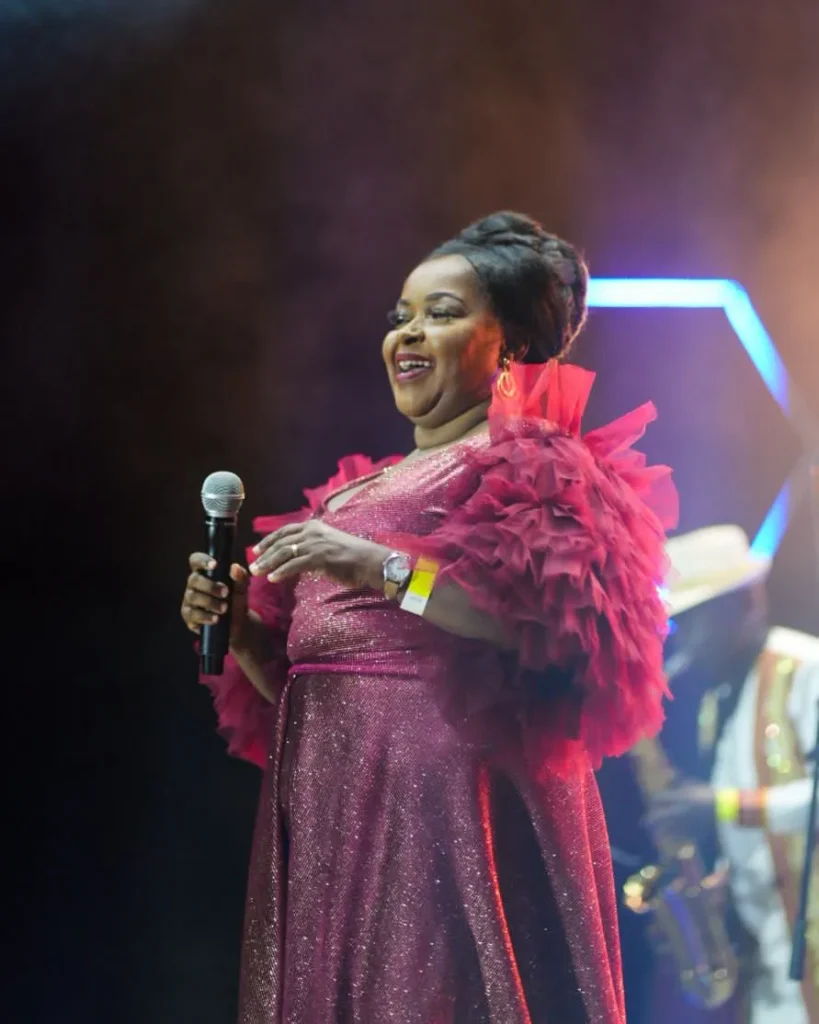
Kawalya believes government involvement could make a significant difference by introducing initiatives specifically designed to recognise artistes whose contributions have helped shape Uganda’s music industry.
She expressed concern that some of the country’s highest forms of recognition, including being declared a National Treasure, often come when the recipients have already passed away, denying them the opportunity to personally appreciate the honour.
According to the singer, recognition carries a different meaning when it is given during a person’s lifetime, allowing them to experience the happiness, pride and fulfilment that comes with having their work appreciated.

She pointed to the Kabaka of Buganda’s recognition of several music industry veterans, including Mesach Semakula, Mathias Walukagga, Lord Fred Sebatta, Afrigo Band and the late Moses Matovu, who received ‘Sir’ titles as an example of celebrating artistes while they are still around.
“Talking about it can be a wake-up call, just as the Kabaka did when he recognized artists such as Mesach Semakula, Mathias Walukagga, Lord Fred Sebatta, Afrigo Band, and late Moses Matovu when he gave them the ‘Sir’ titles while still alive because you get to feel that joy and happiness in your lifetime,” Kawalya said.
Her remarks highlight a broader conversation about how Uganda celebrates its cultural icons, particularly musicians whose influence spans generations and whose contributions have helped shape the country’s identity through music.

For Kawalya, recognising these pioneers should not be reserved for memorials and tributes after death. Instead, she believes Uganda should make a deliberate effort to celebrate its music legends while they can still witness, appreciate and enjoy the recognition they spent years earning.