


Ugandan musician Kapeke believes beef and rivalry play an important role in the music industry, arguing that competition between artists can attract fan attention while creating opportunities for musicians to grow their careers.
The singer says musical rivalries often receive considerable support from fans, particularly on the ground, making competition an influential part of the entertainment business.

According to Kapeke, having another artist to compete with can motivate musicians to work harder, sharpen their skills and prove their abilities.
He believes competition should not necessarily be viewed negatively, as it can push artists to improve their performances and become more creative.

“When Kapeke does something, someone else would also want to do it,” he said, describing how his activities can inspire others to raise their game.
Kapeke also suggested that rivalry can create an environment where artists challenge one another to deliver better music and performances, while fans become more invested in what their favourite musicians are doing.

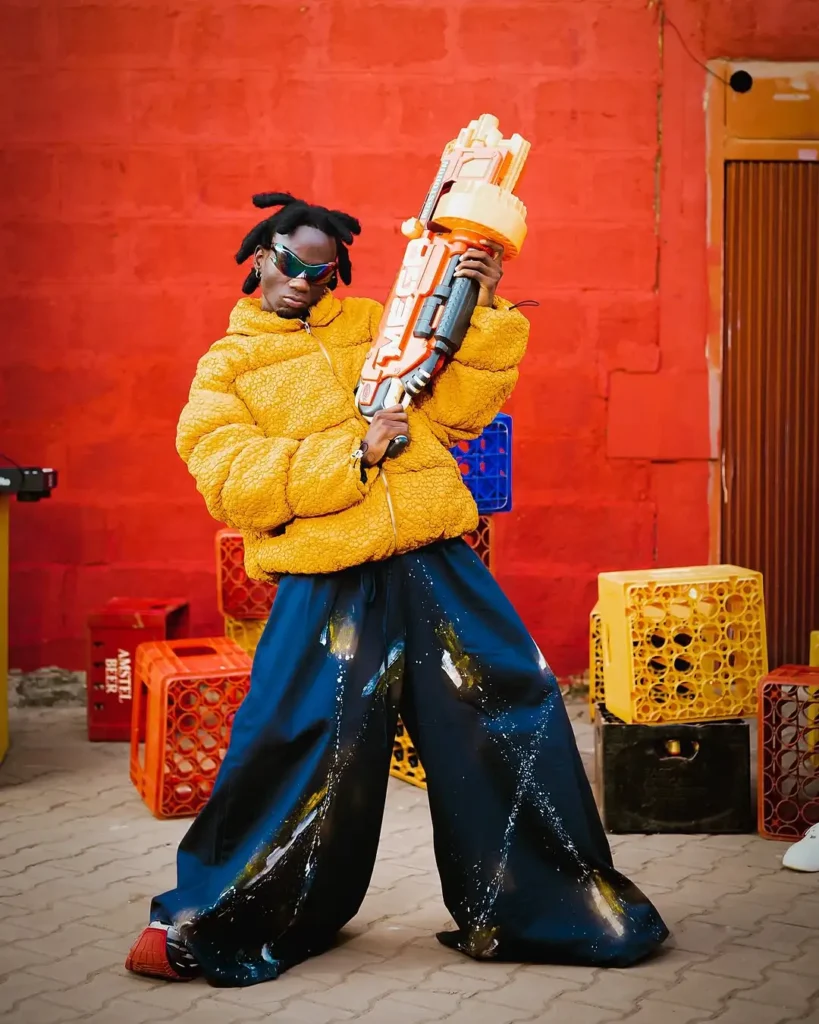
However, the musician made it clear that he does not allow competition to dictate his own creative direction.
He said he has never felt pressured to copy other artists or follow trends simply because they have become popular. Instead, he prefers to maintain his individual approach and let his work speak for itself.

Kapeke further claimed that his influence can be seen in the way other people in the industry and beyond have picked up ideas from things he has done.
For him, seeing others adopt elements of his approach is evidence that his work has inspired people, even though he does not deliberately set out to compete with them.
His remarks also come against the backdrop of ongoing musical rivalries in Uganda’s entertainment industry, where disagreements and competitive exchanges between artists frequently attract public attention.
While Kapeke sees value in that competitive environment, his position is that artists should use it as motivation to improve rather than simply imitate one another.
Ultimately, he believes rivalry can contribute to an artist’s growth, provided musicians remain focused on developing their own identities and delivering quality work.