


Lady Titie Tabel has sparked a conversation about fatherhood and parenting after arguing that sons need fathers in their lives to learn certain aspects of manhood.
The legendary artist and motivational speaker said women should not underestimate the importance of a father figure in raising boys, arguing that financial independence cannot replace the role she believes fathers play in a child’s development.

According to Lady Titie, there are qualities she believes sons can learn specifically from male figures, regardless of whether those fathers are wealthy.
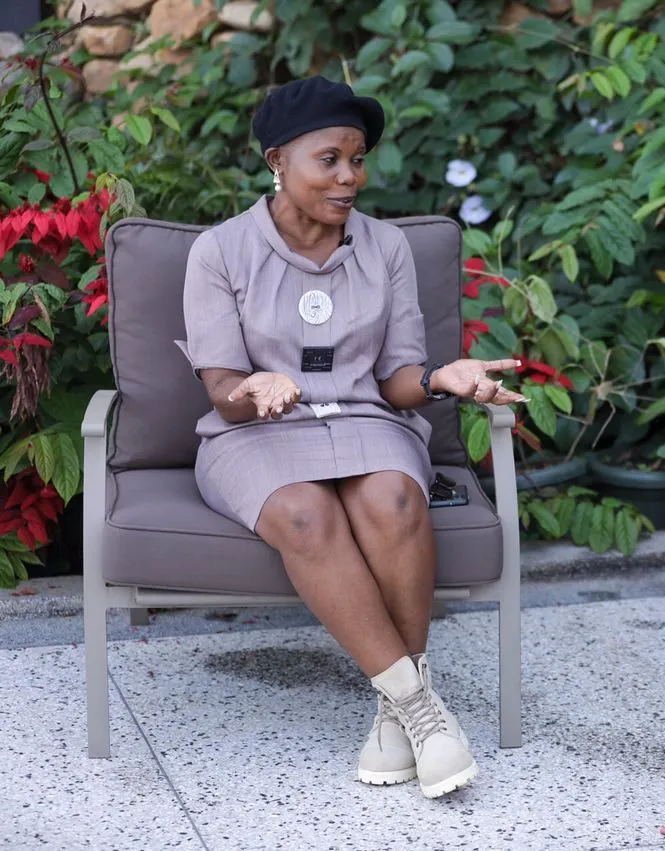
“If you are a female, it doesn’t matter how much money you have. You will never become a father to any child at any time. Fathers are very different,” she said.

She argued that having a father figure provides a different form of guidance for children, particularly boys.
“That tough voice in a home is necessary, whether he is wealthy or not. Trust me,” Lady Titie added.

Her comments also drew a distinction between the lessons she believes mothers and fathers provide. She compared the way daughters can learn certain social and practical skills from their mothers with what she believes sons can learn from their fathers.

“A man adds values to a child that a woman never can,” she said. “Just like daughters learn how to cook, clean, sit properly, and other female manners from their mothers, sons too learn a lot from their fathers.”

Lady Titie further argued that children can naturally develop a particular level of respect for male figures, saying the issue is not necessarily tied to a father’s financial status.
“It’s not about your money,” she said.
Her remarks come amid broader conversations around parenting, family structures and the role of fathers in children’s lives. Lady Titie’s argument specifically challenges the idea that financial provision alone can compensate for the absence of a father figure.
The comments also reflect her wider work as a motivational speaker, where she frequently addresses personal and family-related issues.
For Lady Titie, the central message is straightforward: money can provide for a child, but she believes it cannot substitute for every form of parental guidance—and, in her view, sons particularly need meaningful male figures as they grow.