

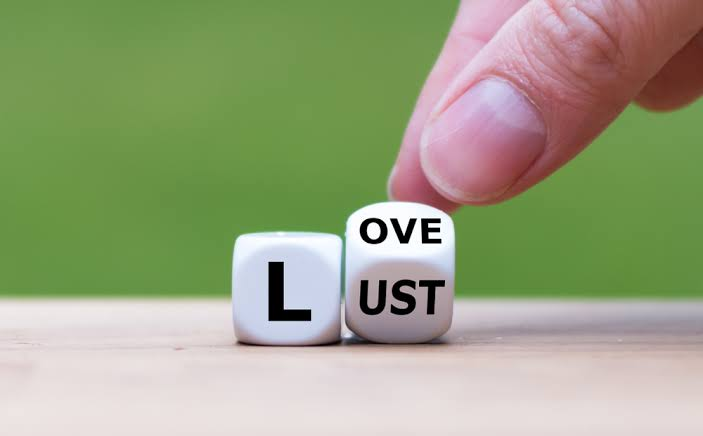
Lust and love can create powerful feelings toward another person, but they are not the same experience. Lust is primarily driven by sexual desire and physical attraction, while love involves emotional attachment, trust and a deeper interest in someone’s life.
The two feelings can overlap. A person may feel strong physical attraction while gradually developing genuine emotional affection for the same partner. However, recognising the difference can help people understand their relationships, communicate their expectations and make more thoughtful decisions.
Understanding lust versus love is not about deciding which feeling is better. Both can be part of healthy relationships when expressed with mutual respect, clear boundaries and consent.
What Are Lust and Love?
Lust is an intense desire for someone, usually centred on sexual attraction or physical intimacy. It can develop when meeting someone new or occur within an established relationship.
Physical appearance, chemistry, anticipation and sexual desire may all contribute to the experience. Biological processes involving hormones and brain activity can also influence attraction and sexual motivation.
Lust does not necessarily mean someone wants a committed relationship. A person can desire another individual physically without wanting to build a long-term emotional connection.
Love, on the other hand, generally involves a deeper emotional bond. It can include affection, trust, understanding, commitment and an interest in supporting another person’s well-being.
Someone experiencing love may want to spend time with their partner outside intimate situations, learn about their experiences and discuss future plans.
Although these descriptions highlight important differences, individual experiences vary. Lust and love do not always develop in a predictable order.
Lust vs. Love: What Are the Main Differences?
The biggest distinction is the nature of the connection.
Lust is generally focused on physical attraction and sexual desire. Love involves emotional closeness and a broader interest in the other person.
Here are some common differences:
| Lust | Love |
|---|---|
| Primarily centred on physical attraction | Primarily centred on emotional connection |
| Often involves strong sexual desire | Can involve affection, care and commitment |
| May develop quickly | May develop gradually |
| May involve limited interest in long-term plans | Often includes interest in a shared future |
| Can exist without emotional intimacy | Usually involves some form of emotional attachment |
| May be focused on immediate attraction | Often includes interest in the person’s wider life |
These distinctions are not absolute rules. For example, people in loving relationships can experience intense sexual attraction, while people experiencing lust may also be curious about each other’s personalities and interests.
Relationship therapist Erica F. Zajac, LCSW, explains that people sometimes mistake lust for love, particularly when they experience strong attraction early in a relationship.
One useful way to assess the difference is to consider whether the connection extends beyond physical intimacy. Do you enjoy spending time together, talking about personal experiences and learning about each other’s goals?
If the answer is yes, there may be an emotional connection developing alongside the attraction.

Can You Feel Lust and Love at the Same Time?
Yes. Lust and love can exist together, and their presence in the same relationship is not unusual.
A person may initially feel attracted to someone because of their appearance, personality or physical chemistry. As the relationship develops, shared experiences and emotional closeness may strengthen the connection.
This does not mean that lust automatically turns into love. Some relationships remain primarily physical, while others develop into deeper partnerships.
The early excitement of a new relationship is sometimes described as new relationship energy. This term refers to the excitement and heightened interest that can accompany a developing romantic connection.
Over time, the intensity of early attraction may change as partners become more familiar with each other. That does not necessarily mean desire has disappeared or that the relationship has become less meaningful.
In a lasting relationship, emotional intimacy and sexual attraction can continue to reinforce one another.
Signs You May Be Experiencing Lust Rather Than Love
It can be difficult to understand your feelings when physical attraction is particularly strong. However, certain patterns may suggest that lust is playing a larger role than emotional attachment.
1. Your feelings are mainly physical
You may find yourself thinking primarily about physical intimacy or feeling attracted to someone’s appearance.
This does not make the attraction wrong. It simply means that sexual desire may be the strongest part of the connection.
2. You have little interest in a deeper connection
You may enjoy spending time together but have limited interest in discussing personal experiences, values, ambitions or emotional concerns.
A lack of interest in these areas can suggest that the relationship is centred more on physical attraction.
3. You prefer physical intimacy to other activities
If most of your interactions revolve around intimacy, you may not be developing the broader connection associated with love.
By contrast, people building emotional bonds often enjoy ordinary activities together, such as eating out, talking or spending time with friends.
4. Your attraction changes when you notice imperfections
Lust can sometimes be strongly influenced by an idealised image of another person. Discovering differences, flaws or incompatibilities may change the attraction.
However, this is not a definitive test. People can lose romantic interest for many reasons, including genuine incompatibility.
5. You are not thinking about a shared future
You may enjoy the excitement of the present without wanting to discuss future plans or consider how the relationship might develop.

This can indicate that the connection is more casual than committed, although some people simply prefer to take relationships slowly.
6. Physical excitement is a major part of the experience
Feeling butterflies, noticing someone’s touch or experiencing nervous excitement around them can accompany attraction.
These physical reactions are not exclusive to lust. They can also occur when someone is falling in love.
Signs Your Partner May Be More Interested in Lust Than Love
If you are unsure about your partner’s intentions, pay attention to their behaviour over time rather than relying on one interaction.
Possible signs that the relationship is primarily physical include:
- Interactions quickly become physical: Your time together frequently centres on sexual attraction or intimacy.
- Limited interest in your daily life: They rarely ask about your experiences, goals or concerns.
- Shallow conversations: Most discussions involve flirting, appearances or physical attraction.
- Little emotional openness: They avoid sharing personal feelings or discussing meaningful experiences.
- Unwillingness to make future plans: They show little interest in discussing what the relationship might become.
- Limited effort outside intimate situations: They rarely initiate activities that do not involve physical closeness.
None of these behaviours proves that someone does not love you. People have different communication styles and comfort levels with emotional vulnerability.
The most reliable approach is to discuss expectations directly. If you want a committed relationship but your partner prefers something casual, understanding that difference can help you decide whether the arrangement works for both of you.
Is Lust a Healthy Emotion?
Lust is a normal part of human attraction and is not automatically healthy or unhealthy.
What matters is how someone responds to the feeling.
When expressed respectfully, sexual desire can contribute to enjoyment, intimacy and connection between consenting adults. It may also help partners maintain a sense of excitement within an established relationship.
Problems can arise when someone allows desire to override another person’s boundaries, ignores consent or makes decisions that could harm themselves or others.
Healthy expressions of lust generally involve:
- Respecting the other person’s wishes and boundaries.
- Communicating honestly about sexual expectations.
- Understanding that attraction does not create an obligation.
- Considering the emotional consequences of decisions.
- Avoiding pressure, manipulation or unwanted sexual behaviour.
Feeling attracted to someone does not give anyone the right to pursue them regardless of their wishes.
How to Express Lust to Your Partner in a Healthy Way
Sexual attraction can be an enjoyable part of a relationship when both partners feel comfortable expressing it.
The first step is communication. Talk openly about what you want, what makes you comfortable and where your boundaries lie.
Here are some ways to express attraction respectfully.

Communicate your feelings
Let your partner know when you find them attractive. A sincere compliment can communicate desire without creating pressure.
For example, telling someone they look attractive or that you are excited to spend time with them can be a simple way to express interest.
Establish consent before intimacy
Consent should be voluntary, informed and ongoing. It is important to check that both people are comfortable before initiating sexual activity.
Being in a relationship does not mean consent is automatically granted.
Explore different forms of affection
Physical attraction does not have to determine every interaction. Holding hands, hugging, kissing or spending quality time together can help partners understand each other’s preferences and comfort levels.
Be honest about attraction outside your relationship
Finding another person attractive does not automatically mean someone intends to be unfaithful.
However, if you are considering acting on that attraction, honesty and an understanding of your relationship agreements are important.
In exclusive relationships, discussing the attraction before making decisions that could affect your partner’s trust may help prevent misunderstandings.
For couples who practise consensual non-monogamy, all involved should understand and agree to the relevant boundaries.
Respect your partner’s response
Your partner may not always share the same level of desire or interest. Their response should be respected without pressure, guilt or repeated attempts to change their mind.
Healthy attraction allows both people to make their own choices.
How Not to Express Lust
Although sexual desire is natural, acting on it without considering another person’s comfort can create serious problems.
Avoid:
- Initiating sexual contact without consent.
- Ignoring verbal or non-verbal indications that someone is uncomfortable.
- Pressuring a partner to engage in activities they do not want.
- Sending intimate messages or photographs without considering whether they are welcome.
- Using alcohol or other substances as a way to overcome someone’s hesitation.
- Breaking relationship agreements or hiding behaviour that could affect a partner’s trust.
- Treating someone as an object rather than respecting their individuality.
- Continuing to pursue someone who has clearly rejected your advances.
Consent must be freely given. Intoxication can affect a person’s ability to make decisions, and someone who is incapacitated cannot provide meaningful consent.
Respect, communication and personal responsibility should remain central to every intimate interaction.
What Can Happen After Acting on Lust?
The outcome of acting on sexual desire depends on the circumstances, the people involved and the expectations they have established.

When both people are comfortable and share similar intentions, acting on attraction may be an enjoyable experience.
However, difficulties can arise when expectations are different or boundaries are ignored.
Possible consequences include:
- Emotional confusion: One person may develop romantic feelings while the other wants to keep the relationship casual.
- Jealousy: Unclear expectations or disagreements about exclusivity may create insecurity.
- Disappointment: Someone may feel let down when the experience does not lead to the relationship they expected.
- Conflict: Secrecy or broken agreements can damage trust between partners.
- Anxiety or sadness: A person may experience difficult emotions after an encounter that conflicts with their values or expectations.
Taking time to reflect on your feelings can help you understand what you want from a relationship.
Writing down your thoughts, discussing concerns with someone you trust or seeking professional support may also help when emotions become difficult to manage.
When Should You Seek Professional Support?
Lust itself is not a problem that automatically requires treatment. However, professional support may be useful when sexual or romantic feelings become difficult to manage or begin affecting your relationships and daily life.
For example, consider speaking with a qualified therapist or relationship counsellor if:
- You repeatedly act against your own values or relationship agreements.
- Sexual thoughts or behaviours feel difficult to control.
- Attraction is creating persistent relationship conflict.
- You struggle to respect boundaries or communicate your needs.
- You experience significant distress about your sexual feelings.
A qualified professional can help you explore emotional patterns, understand relationship expectations and develop healthier ways of responding to attraction.
Frequently Asked Questions
Can lust turn into love?
Yes. A relationship that begins with physical attraction may develop into a deeper emotional connection. However, lust does not automatically become love. The development of love generally involves getting to know someone, building trust and forming an emotional bond.
Can you love someone without lust?
Yes. Love and sexual desire are different experiences. Some people experience deep romantic or emotional attachment without strong sexual desire. This can occur for various personal, relational or individual reasons.
Does lust always come before love?
No. People do not all experience relationships in the same way. Some develop emotional connections before experiencing strong physical attraction, while others experience both at the beginning.
How long does lust last?
There is no universal timeline. Sexual attraction can be intense at the beginning of a relationship and change over time, but it can also remain present in long-term partnerships. Its duration depends on the individuals and their relationship.
Is lust at first sight real?
People can experience immediate and powerful sexual attraction when they first meet someone. However, this is not necessarily love. Love usually involves a deeper understanding of the other person that develops through interaction and shared experiences.
The Difference Between Lust and Love Matters
Lust and love can both play meaningful roles in relationships, but understanding their differences can help people recognise what they want from another person.
Lust is often centred on physical attraction and sexual desire, while love involves emotional connection, trust and a deeper interest in someone’s life. The two can exist together, but neither guarantees the presence of the other.
Ultimately, a healthy relationship depends less on the intensity of attraction and more on how people treat each other. Honest communication, mutual respect, clear boundaries and consent help create connections in which both desire and emotional intimacy can be expressed responsibly.