

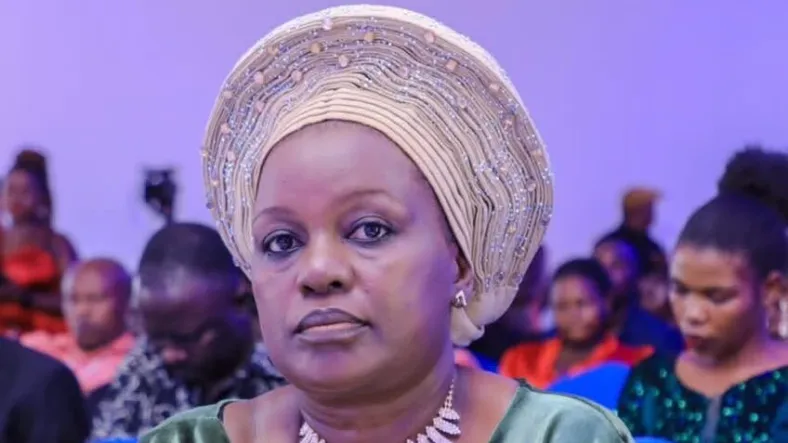
Mariam Ndagire has urged fathers to be more present in their children’s lives, drawing from her own experience of growing up with an absent father.
The Ugandan actress and playwright said the absence of her father was deeply painful and believes parents should take their responsibilities seriously rather than leaving important aspects of raising children to one parent.
Ndagire made the remarks while discussing the importance of parental involvement and the potential consequences of neglecting children.

“I am a product of an absent father, which was very painful,” she said.

The actress urged fathers not to underestimate the impact their absence can have on their children, emphasizing that the children they neglect remain their responsibility.
“That child you are neglecting is your own blood and your responsibility. Please be present in their lives because you don’t know what they will turn into,” Ndagire said.

She also warned parents that their relationship with their children can become complicated later in life, particularly if a child grows up and becomes successful without the involvement of an absent parent.
“When they become successful and avoid you, it hurts,” she said, while stressing that parental responsibility does not depend on a child’s eventual achievements.
Ndagire added that even when children do not become successful, parents still have an obligation to remain present and involved in their lives.

“But even if they don’t turn out as successful, it’s your responsibility as a parent to be present in their lives,” she said.
Ndagire also offered her view on how parental roles can evolve as children grow older. She said boys particularly need their mothers during their early years, but argued that fathers become especially important as boys enter adolescence.

“Boys need their mothers most before they turn 14 years old, but after 14, they need their fathers around to help them navigate life’s challenges and become more responsible,” she said.

Her comments come from a deeply personal place, with Ndagire using her own experience to encourage parents to take a more active role in raising their children.
She concluded with a direct warning to parents who leave those responsibilities largely to women.
“Stop leaving those duties to the women. Do better before we create a very irresponsible, careless, and disrespectful generation.”
For Ndagire, the message is ultimately about presence: parents may never know the full impact their involvement—or absence—will have on a child’s life.