

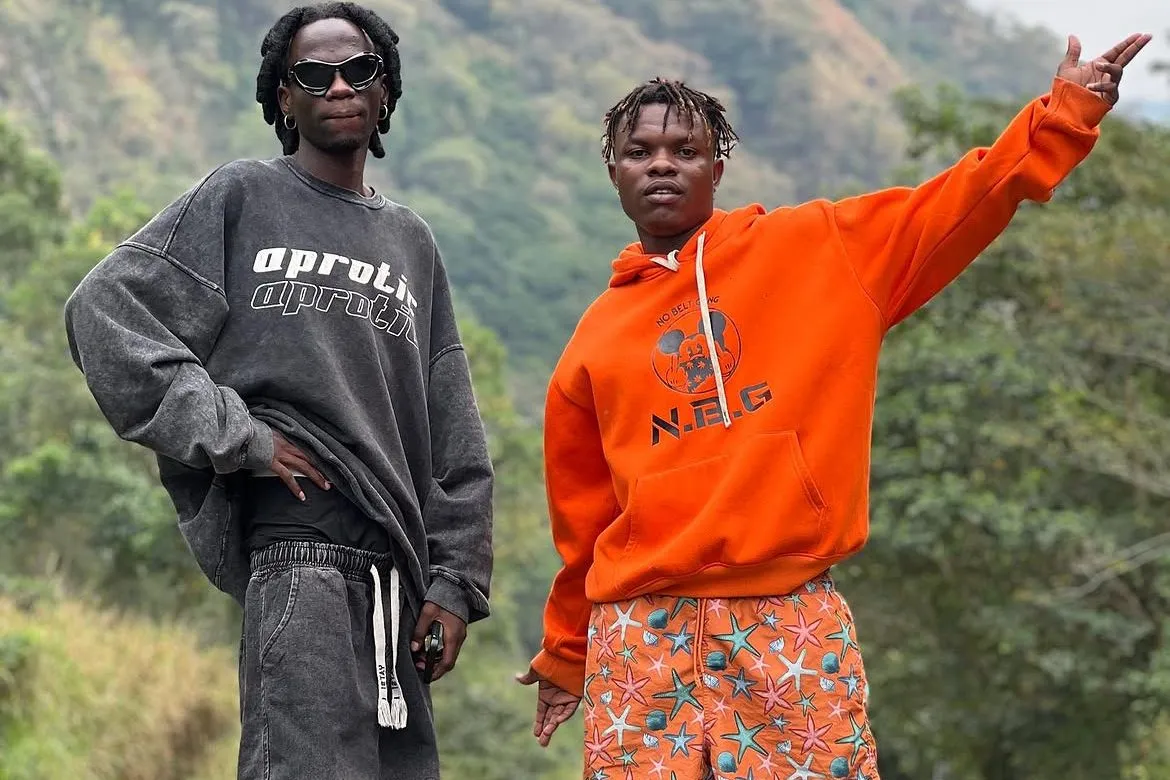
Ugandan dance choreographer Mulo Mazzina says he sometimes feels he deserves financial recognition when high-profile personalities perform dance moves he considers part of his creative work.
Mazzina was asked whether anyone had ever copied or performed his moves in a way that made him feel they owed him money.
His answer quickly turned to Uganda’s sports stars, particularly Uganda Cranes players and national netball players, whom he says he has seen showcasing his dance moves during international tournaments.
While Mazzina admits the performances make him proud because they take his creativity to audiences around the world, he also joked that the athletes’ teams should “cash” him out.
Mazzina says seeing athletes perform his signature dance moves has created an unusual mix of pride and frustration.
On one hand, the choreographer enjoys watching his work travel beyond Uganda.
On the other, he believes the creativity behind those moves deserves financial recognition when they are publicly showcased.
“I feel like those Uganda Cranes players and netball players need to cash me out some money whenever they showcase my dance moves in the tournaments they participate in,” Mazzina said.

The biggest challenge, according to the choreographer, is not necessarily making the demand but reaching the people responsible for the athletes.
“The challenge is that they’re not easily accessible,” he explained.
That lack of access has so far prevented him from directly pursuing the matter with those managing the players.
Still, Mazzina’s comments were not entirely about money.
He acknowledged that watching Ugandan athletes perform his moves on international stages gives him a strong sense of satisfaction because it helps introduce his creativity to audiences in places he has not personally visited.
“Sometimes I feel it’s great because they get to expose my dance moves on the global stage where I have not yet travelled and reached,” he said.
“That gives me overwhelming joy.”
It is that combination of pride and the desire for recognition that makes Mazzina’s position particularly interesting.

He can appreciate the visibility while still believing that his creative contribution should have financial value.
The choreographer said that if he manages to establish contact with the people responsible for the athletes, he would raise the issue directly.
“But still, they need to toss me some cash,” Mazzina said.
“If I manage to get into contact with anyone responsible for them, I will call them out for the copyright of the dance move.”
Mazzina also recalled seeing Prime Minister and Leader of Government Business Robinah Nabbanja perform some of his dance moves.
He brought up the moment jokingly, suggesting that even high-profile figures such as Nabbanja could consider rewarding him for the creativity behind the moves.
His comments were framed as a humorous take on the value of choreography, but they also point to a broader issue around how dance creators receive recognition when their work becomes widely used.
Mulo Mazzina is a Ugandan dance choreographer known for creating and performing dance routines.

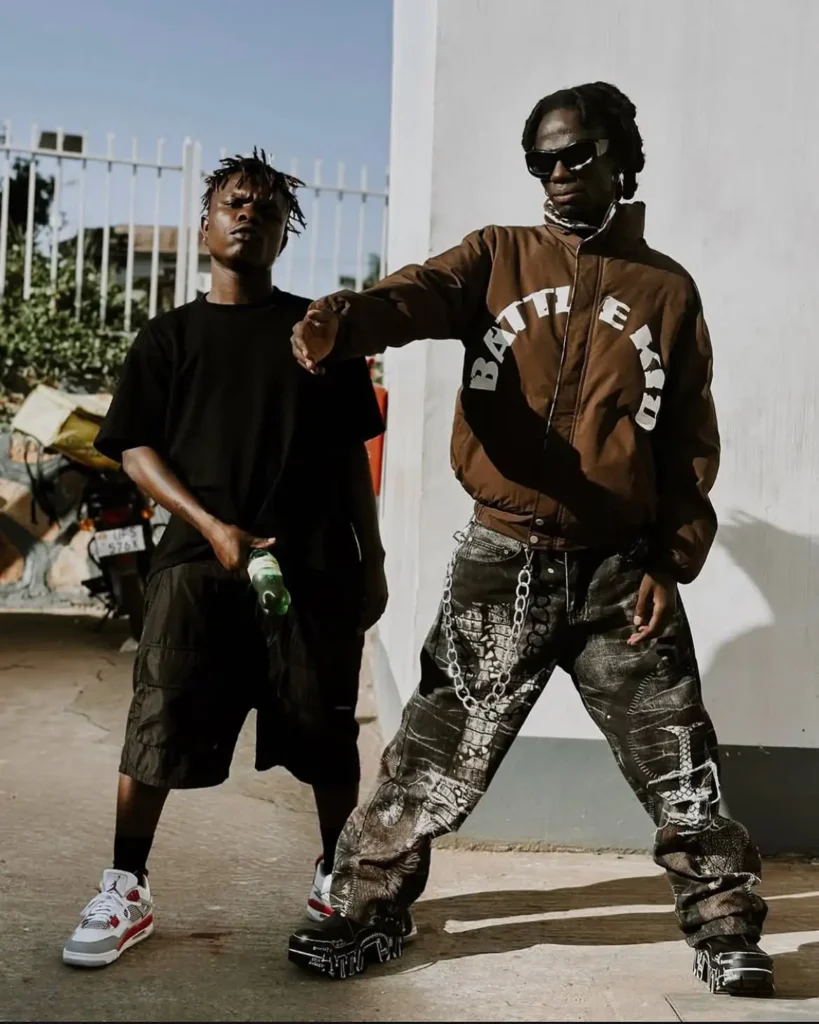
His comments focus specifically on dance moves he considers his creative work and his experiences seeing those moves performed by prominent Ugandan figures.
The examples he highlighted include Uganda Cranes players and national netball players during international tournaments.
For Mazzina, those performances have effectively taken his choreography beyond the spaces where he normally works and placed it in front of international audiences.
He also recalled seeing Robinah Nabbanja perform some of his moves, adding another high-profile name to the list of personalities he says have showcased his choreography.
Mazzina’s comments do not establish that the athletes or Nabbanja have legally infringed any copyright. Rather, he expressed his view that he deserves compensation and said he would raise the issue if he could reach the people responsible for the athletes.
Dance moves can become powerful forms of cultural expression, particularly when they spread through music, sport, politics and social media.
Mazzina’s experience illustrates how choreography can travel far beyond its original setting.
For a Ugandan choreographer, seeing national sports teams perform his moves during international tournaments can provide significant exposure.

That visibility can be valuable even when it does not immediately translate into financial compensation.
Mazzina himself recognizes that benefit, saying the international performances have taken his creativity to places he has not yet travelled.
At the same time, his insistence on being paid raises questions about how creators can protect, monetize and receive recognition for their work once it becomes popular.
For Mazzina, the issue appears to be about more than a paycheck.
His comments show genuine excitement about seeing Ugandan athletes take his moves onto international stages.
There is clearly pride in watching something he created become part of celebrations surrounding Ugandan sport.
But the choreographer also believes that creative work has value, and he is not hiding his desire to see that value recognized financially.
His approach is playful, but his message is straightforward: if his moves are helping create memorable moments, he would like a share of the appreciation — preferably in cash.
Mulo Mazzina says he loves seeing his dance moves travel around the world with Uganda’s athletes, but if he ever reaches the people managing them, he plans to ask for more than applause: he wants to be paid for the moves.