

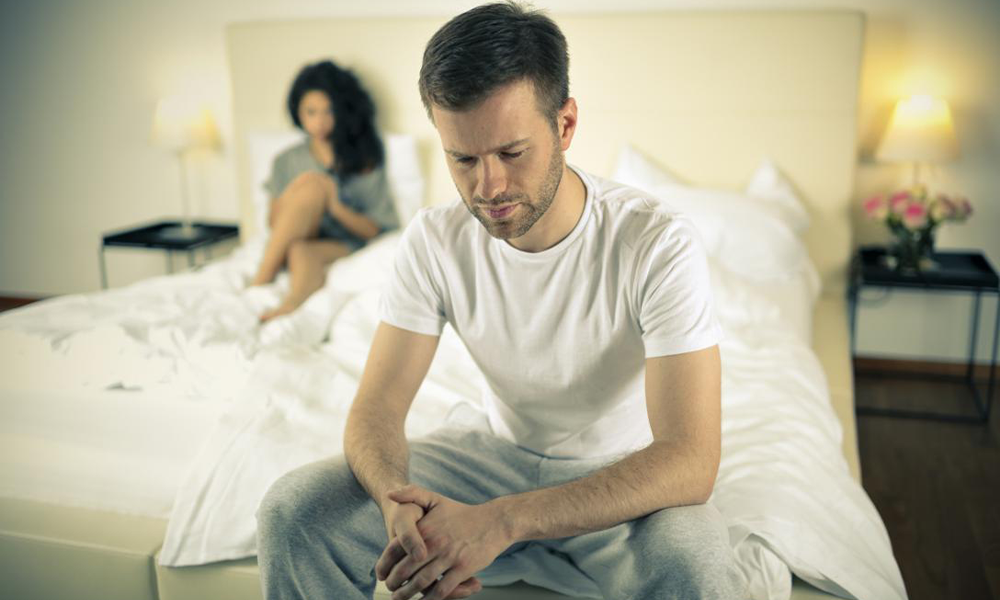
Erectile dysfunction (ED) can affect more than a person’s sex life. Difficulty achieving or maintaining an erection may influence confidence, emotional well-being and relationships. Although occasional erection problems can happen to anyone, persistent difficulties may point to an underlying health concern.
Some lifestyle changes may help improve erectile function, particularly when conditions such as obesity, cardiovascular disease, stress or smoking contribute to the problem. These approaches include eating a balanced diet, exercising regularly, improving sleep and reducing alcohol consumption.
However, natural remedies are not guaranteed treatments, and some people may need prescription medication or other medical care. Understanding the possible causes of erectile dysfunction is an important first step towards finding an appropriate treatment.
Here are nine natural approaches that may help support erectile function and overall health.
What causes erectile dysfunction?
Erectile dysfunction occurs when a person with a penis regularly has difficulty getting or maintaining an erection firm enough for sexual activity.
Several physical and psychological factors can contribute to the condition, including:
- Diabetes and high blood pressure
- Cardiovascular disease
- Being overweight or having obesity
- Smoking
- Excessive alcohol consumption
- Anxiety, depression and chronic stress
- Certain prescription medications
- Injuries affecting the penis, pelvis or spinal cord
Age can also influence erectile function, although ED is not an inevitable part of getting older.
Because different factors can contribute to the same symptoms, treatment should be based on an individual’s health history and circumstances.
1. Eat a balanced and nutritious diet
Diet can influence blood circulation, cardiovascular health and the body’s ability to regulate blood sugar. These factors are relevant to erectile function because achieving an erection depends partly on healthy blood flow.
Research cited in the source material found that men who followed Mediterranean-style eating patterns or the Alternative Healthy Eating Index 2010 more closely had a lower risk of developing erectile dysfunction.
These eating patterns commonly include:
- Fruits and vegetables
- Whole grains
- Beans and other legumes
- Nuts and seeds
- Fish
- Healthy sources of dietary fats
Research has also linked higher consumption of fruits, vegetables and flavonoid-rich foods with a lower risk of ED among younger men.
Rather than relying on a single food or supposed aphrodisiac, focus on an overall eating pattern that supports cardiovascular and metabolic health.
2. Exercise regularly
Physical activity may help improve erectile function by supporting circulation, cardiovascular fitness and general metabolic health.
A study highlighted in the source material found that moderate-to-intense aerobic exercise for approximately 40 minutes a day, four times a week over six months, helped reduce erectile dysfunction in participants.

Activities that may support this include:
- Brisk walking
- Running
- Swimming
- Cycling
- Other forms of aerobic exercise
People who have been inactive for a long time can begin with manageable activities and gradually increase their exercise levels.
Exercise may be particularly helpful when erectile dysfunction is associated with obesity, physical inactivity or cardiovascular risk factors.
3. Improve your sleep
Sleep plays an important role in physical and hormonal health. Regularly getting insufficient or poor-quality sleep may contribute to problems associated with erectile dysfunction.
Research has linked sleep disorders, including obstructive sleep apnea, with a higher risk of ED. Other findings suggest that men who work night shifts and experience poor sleep quality may also face increased risk.
Poor sleep can affect testosterone levels and contribute to health conditions such as diabetes and high blood pressure, which may influence erectile function.
To support better sleep:
- Maintain a consistent bedtime and waking schedule.
- Create a comfortable, quiet sleeping environment.
- Limit activities that interfere with sleep.
- Seek medical advice if you regularly snore heavily, wake up gasping or feel excessively tired during the day.
Improving sleep may support overall well-being, although it should not be treated as a guaranteed solution for ED.
4. Maintain a healthy weight
Weight can be one of several factors associated with erectile dysfunction.
Research cited in the source material found that ED was more common among men with obesity, overweight or a larger waist circumference.
Excess body weight may contribute to conditions such as diabetes, high blood pressure and cardiovascular disease, all of which can affect blood circulation and erectile function.
A combination of balanced nutrition and regular physical activity may help people manage their weight and improve their overall health.
Some people may also be eligible for medically supervised weight-management treatments. Prescription weight-loss medicines are not suitable for everyone and should only be considered following an assessment by a qualified healthcare professional.
The aim should be sustainable improvements in health rather than pursuing a particular body size.
5. Consider psychotherapy
Erectile dysfunction does not always have a purely physical cause. Psychological factors can contribute to erection difficulties, sometimes alongside underlying medical conditions.

These factors may include:
- Performance anxiety
- Depression
- Relationship difficulties
- Sexual trauma
- Fear of failure
- Ongoing emotional distress
ED can also create additional anxiety. Someone who experiences erection difficulties may become worried about future sexual encounters, which can make the problem more difficult to manage.
Psychotherapy can help people understand and address these concerns. Cognitive behavioural therapy (CBT), for example, may help individuals recognise unhelpful thought patterns and develop healthier ways of responding to anxiety.
Research cited in the source material suggests that psychological interventions may be particularly useful when combined with medical treatment.
Seeking therapy does not mean that erectile dysfunction is imaginary or entirely psychological. It recognises that mental and physical health can influence each other.
6. Explore sex therapy or couples counselling
Erectile dysfunction can affect both partners, particularly when neither person understands why it is happening.
A partner may mistakenly interpret erection difficulties as a sign of reduced attraction or relationship dissatisfaction. Meanwhile, the person experiencing ED may feel embarrassed, frustrated or under pressure.
Sex therapy and couples counselling can provide a space to discuss these concerns.
A therapist may help couples:
- Communicate more openly about sexual difficulties.
- Reduce anxiety surrounding sexual performance.
- Understand each other’s needs and expectations.
- Explore forms of intimacy that do not depend on penetration.
- Discuss treatment options and ways to support one another.
The American Urological Association’s guidance recognises the potential value of mental health support and partner involvement in the management of erectile dysfunction.
The important point is that couples do not have to manage the emotional effects of ED without support.
7. Find ways to manage stress
Stress and anxiety may contribute to erection difficulties, although the relationship between stress and ED is not fully understood.
The source material highlights research linking stress, anxiety and depression with erectile dysfunction. It also notes that other research has not found a clear association between stress and ED.
Stress may affect sleep, emotional well-being and general health, which can indirectly influence sexual function.
Some ways to manage everyday stress include:

- Regular physical activity
- Relaxation exercises
- Mindfulness practices
- Spending time with supportive people
- Maintaining a manageable work-life routine
- Speaking with a mental health professional when necessary
These approaches may improve overall well-being, even when stress is not the primary cause of erectile dysfunction.
8. Reduce excessive alcohol consumption
Alcohol can affect the nervous system, circulation and sexual response. Its relationship with erectile dysfunction is complex, and research has reported mixed findings.
Some studies cited in the source material found different associations depending on the amount and pattern of alcohol consumption. Other research has linked alcohol dependence with sexual dysfunction, including ED.
Reducing excessive drinking may support better physical and mental health.
People who regularly drink heavily and find it difficult to cut down should consider seeking professional support. Anyone who may be physically dependent on alcohol should speak with a healthcare professional before suddenly stopping, because withdrawal can be dangerous.
9. Stop smoking
Smoking can damage blood vessels and interfere with circulation. Because erections depend on adequate blood flow to the penis, damage to the vascular system can contribute to erectile dysfunction.
Smoking may also affect nitric oxide availability in the body. Nitric oxide helps relax blood vessel muscles, allowing blood to flow more freely.
Research reviewed in the supplied source material found a strong association between smoking and ED. It also reported that quitting smoking may help improve erectile symptoms.
Stopping smoking can be challenging, but professional support, behavioural programmes and appropriate cessation treatments can help.
Avoiding nicotine products, including vaping, may also be part of a broader effort to reduce nicotine exposure.
Does acupuncture help with erectile dysfunction?
Acupuncture is sometimes promoted as a natural approach to erectile dysfunction. However, the source material notes that there is currently insufficient evidence to establish that acupuncture treats the physical causes of ED.
Some people may use acupuncture to address issues such as stress or chronic pain, but this should not be confused with a proven treatment for erectile dysfunction.
Anyone considering acupuncture should discuss it with a healthcare professional and avoid delaying an appropriate medical assessment.
What if natural remedies do not improve erectile dysfunction?
Lifestyle changes can support sexual and cardiovascular health, but they do not work for everyone.
The appropriate treatment depends on the cause of erectile dysfunction. A healthcare professional may assess medical conditions, medication use, psychological factors and other possible contributors.

Treatment options can include prescription medicines such as sildenafil or tadalafil, counselling, vacuum erection devices and other interventions.
Prescription ED medicines help improve blood flow to the penis, but they are not suitable for everyone. For example, they can interact dangerously with nitrate medications used for certain heart conditions.
Men should avoid buying erectile dysfunction medicines from unverified online sellers. Products marketed as natural sexual enhancement supplements may contain undeclared ingredients or potentially unsafe combinations.
A medical professional can help identify a suitable and safe treatment plan.
When should you speak with a doctor?
Occasional erection difficulties do not necessarily indicate a serious health problem. However, persistent or recurring difficulties deserve medical attention.
Consider arranging an appointment if:
- You regularly struggle to achieve or maintain an erection.
- Erectile dysfunction is affecting your confidence or relationship.
- You have diabetes, high blood pressure or cardiovascular risk factors.
- You experience other unexplained symptoms alongside erection difficulties.
- You suspect a medication may be affecting your sexual function.
ED can sometimes be an early sign of an underlying health condition. A medical assessment can help identify possible causes and determine whether further testing or treatment is needed.
Frequently asked questions about natural ED treatments
What is the best natural treatment for erectile dysfunction?
There is no single natural remedy that works for everyone. Depending on the cause, balanced nutrition, regular exercise, improved sleep, weight management, smoking cessation and psychological support may help.
Can exercise improve erectile dysfunction?
Exercise may improve erectile function, particularly when inactivity, obesity or cardiovascular risk factors contribute to the problem. Aerobic activities such as brisk walking, swimming and cycling can support circulation and general health.
Can erectile dysfunction go away naturally?
Some people may experience improvement after addressing contributing factors such as stress, poor sleep, smoking or physical inactivity. Others may need medical treatment. The outcome depends on the underlying cause.
Which herb is best for erectile dysfunction?
The supplied source does not establish that any particular herb is a proven and safe treatment for erectile dysfunction. Many supplements marketed for ED lack sufficient evidence, and some may contain unsafe or undeclared ingredients. Speak with a healthcare professional before taking them.
Does acupuncture really work for erectile dysfunction?
There is insufficient evidence to establish acupuncture as a treatment for the physical causes of erectile dysfunction. It should not replace medical assessment or proven treatments.
The bottom line
Natural approaches may help some men manage erectile dysfunction, particularly when lifestyle factors contribute to the condition. Eating a balanced diet, exercising regularly, getting enough sleep, managing weight, reducing excessive alcohol consumption and stopping smoking can support overall health.
Psychotherapy and couples counselling may also help when anxiety, emotional distress or relationship concerns are involved.
However, erectile dysfunction can have several underlying causes, and lifestyle changes are not a substitute for appropriate medical care. If the problem persists, speak with a healthcare professional about identifying the cause and choosing a treatment that is safe and suitable for you.