

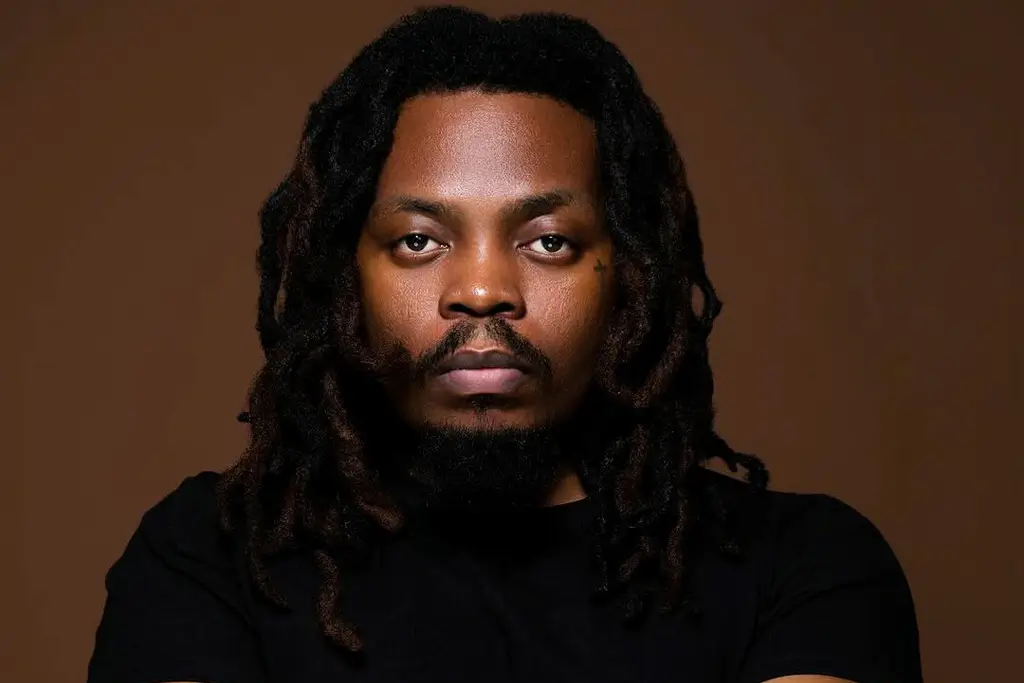
Nigerian rapper Olamide has spoken out in defence of Yoruba culture and African traditions, insisting that cultural practices should not automatically be portrayed as evil or something people should be ashamed of.
The music star made the remarks while speaking at a movie premiere, where he discussed the importance of promoting African heritage and encouraging people to appreciate their cultural identities.
According to Olamide, traditional practices are often misunderstood and unfairly associated with negative spiritual beliefs.

He argued that Africans should take pride in their backgrounds rather than allow misconceptions to influence how they view their own cultures.
“This is really just promoting the culture and trying to sensitise people that our culture and our tradition is not diabolical.
“Our culture and our tradition is not to be demonised. And we are proud of who we are, where we are coming from and everything about our heritage, our tradition and our culture. I’m a Yoruba boy; if you give me black soap, I’ll gladly collect it,” he said.

His black soap remark reinforced his message about embracing cultural practices without automatically attaching negative meanings to them.
Olamide Reveals Why Stage Performances Make Him Nervous
Away from his comments about cultural identity, Olamide has also opened up about some frightening experiences that have affected how he approaches live performances.
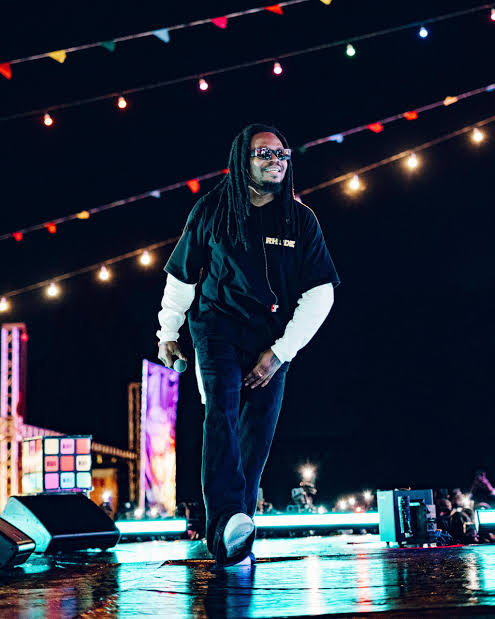
During an interview with YouTuber Korty EO, the rapper recalled incidents in which audience members physically grabbed items from him while he was performing.

He mentioned experiences involving people grabbing his chain or hat, describing the encounters as frightening.
According to Olamide, those incidents left lasting impressions and contributed to his nervousness about returning to the stage.
The rapper’s comments offer a glimpse into the less glamorous side of performing before large crowds, where artists can sometimes face unexpected physical encounters with audience members.

A Look Beyond the Music
Olamide’s latest remarks touch on two different aspects of his public life: his pride in Yoruba heritage and the personal challenges that can accompany a successful music career.
While he continues to use his platform to speak about cultural identity, his interview with Korty EO also highlights the security concerns and uncomfortable experiences that can affect performers during live shows.
His comments underline the importance of respecting cultural traditions while recognising the need for safer environments for artists and audiences at entertainment events.