

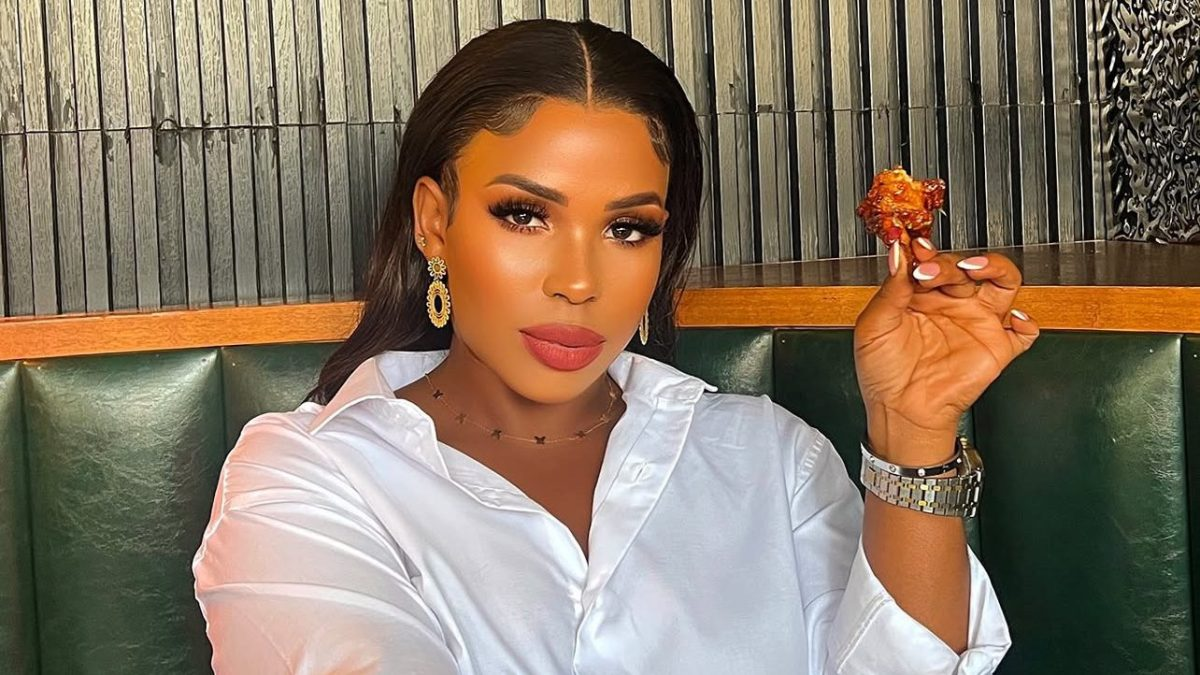
Prima Kardashi Calls Out Ugandan Music Videos
Ugandan musicians are making good music — but according to Prima Kardashi, many are still packaging it badly.
The outspoken media personality has sparked fresh debate in the entertainment industry after openly criticizing the quality of music videos released by some local artists, arguing that weak visuals are preventing Ugandan talent from competing on a bigger stage.
And this time, she didn’t just speak generally.
She directly called out her close friend and musician An-Known while challenging artists to stop settling for what she described as “local vibes.”
That statement alone instantly stirred reactions online.
Speaking candidly during a discussion about Uganda’s entertainment industry, Prima Kardashi explained that while many local musicians release impressive audio projects, the visuals often fail to match the quality of the music itself.
And honestly, she believes that mismatch is hurting artists more than they realize.
According to Prima, music videos are no longer just promotional extras.
They are branding tools.
Image builders.
Global marketing assets.

And if the visuals look rushed or outdated, audiences immediately notice.

“An-Known, you need to improve the quality of your video releases,” she stated directly.
“You’re very talented, but your videos feel too local. You have to learn how to blend an urban touch into your music.”
That statement immediately got social media talking.
Some fans agreed with her criticism, arguing that many Ugandan artists still struggle with visual presentation despite producing good songs.
Others felt Prima was being too harsh publicly toward artists trying to grow within limited budgets.
But that’s not even where her critique ended.
Prima went on to praise singer Joshua Baraka, highlighting him as an example of an artist successfully balancing urban aesthetics, branding, and modern storytelling in his music projects.
For her, Joshua Baraka represents the direction Ugandan artists should be moving toward visually if they want to appeal to wider audiences.
Then things got even more detailed.
The mother of two emphasized that every single element inside a music video matters — from styling to casting choices.
And yes, she specifically mentioned video vixens too.
“Someone records a good song but doesn’t even give the vixens money to shop for nice outfits,” she remarked.

“Even the people you feature in your videos matter.”
That brutally honest observation instantly became one of the most quoted lines online.
Because whether fans agreed or not, many admitted she touched on a real issue within local productions.
And then came her strongest point.
Prima urged musicians to stop rushing visuals without proper planning or storyline development, arguing that mediocre production continues trapping artists within a strictly local market.
“Artists need to sit down and discuss the storyline before dropping visuals,” she advised.

“Stop doing mediocre things because they keep you in the local setting. Your video is your brand, so invest fully in it and avoid using the same vixens all the time.”
That final line? The internet definitely noticed.
Discussions about the quality of Ugandan music videos have become increasingly common as African music industries continue expanding globally.
With platforms like YouTube, TikTok, and Instagram heavily driven by visual culture, artists are now judged not only by sound but by aesthetics, fashion, cinematography, storytelling, and branding consistency.
Over the years, Ugandan musicians have frequently faced comparisons with artists from countries like Nigeria and South Africa, where larger investments in visuals often create more internationally competitive content.
Prima Kardashi’s comments tap directly into that larger conversation.
Meanwhile, Joshua Baraka has steadily gained recognition for modern visuals and carefully curated branding that many younger audiences find globally appealing.

That’s exactly why his name entered the conversation so quickly.
And honestly, Prima’s critique reflects a growing frustration among fans who believe Uganda has enough talent but sometimes lacks the presentation needed to break bigger international barriers.
The moment Prima Kardashi described some Ugandan music videos as carrying “local vibes,” social media exploded.
Fans immediately began debating which artists she may have indirectly referred to besides An-Known, while others reposted clips of her comments across entertainment blogs and TikTok pages.
Within hours, discussions about video quality, styling, and visual creativity dominated comment sections online.
And yes — the internet had jokes too.
Some users humorously defended “low-budget legends,” while others admitted certain artists repeatedly recycle the same video concepts, locations, and vixens.
One thing became very clear.
People were finally having an honest conversation about visuals.
Online reactions have been sharply divided.
Some fans strongly supported Prima’s message, arguing that visuals now determine whether music can travel internationally in today’s digital entertainment era.
Others felt she overlooked the financial realities many Ugandan artists face while funding music projects independently.
A few users also speculated that her comments may pressure some artists to start investing more heavily in professional styling, casting, and creative direction moving forward.

Meanwhile, supporters of An-Known defended his talent, insisting strong music should matter more than flashy visuals.
And honestly, that debate probably isn’t ending anytime soon.
Because in modern entertainment, image and music are now competing equally for attention.
Beyond entertainment gossip, Prima Kardashi’s comments highlight a challenge many creatives quietly struggle with.
Balancing talent with presentation.
Having vision without always having resources.
And trying to compete globally while operating within industries that still face financial and structural limitations.
For many Ugandan artists, the pressure to “look international” while surviving local realities is becoming increasingly intense.
The most striking part of Prima’s critique?
She didn’t say Ugandan artists lack talent.
She said they’re failing to package that talent properly.
And that difference changes the entire conversation.
One thing’s certain — Prima Kardashi just reignited the debate about whether Uganda’s music industry is truly thinking globally or still creating comfortably for the local scene.
Now fans are asking: are good songs enough anymore without blockbuster visuals?